Accessibility Certification: What It Is and Why It Matters for Online Learning
When you create an online course, accessibility certification, a formal validation that digital learning materials meet standards for people with disabilities. Also known as WCAG compliance, it’s not just a checkbox—it’s the difference between someone being able to learn and being locked out. If your slides don’t have alt text, your videos lack captions, or your quiz won’t work with a screen reader, you’re not just being inconvenient—you’re excluding real people. And with laws like the ADA and EN 301 549 tightening globally, ignoring accessibility isn’t just unethical—it’s risky.
Accessibility certification doesn’t mean hiring a specialist or spending thousands. It means using simple, proven practices: labeling images correctly, choosing color contrasts that work for colorblind users, making buttons big enough to tap on a phone, and ensuring keyboard navigation works. These aren’t fancy tricks—they’re basics. Think of it like building a ramp for a wheelchair user: you don’t need a marble staircase to make it work. You just need to plan ahead. The same goes for your course content. accessible education, learning materials designed so anyone can engage regardless of ability. It’s not about making things "easier"—it’s about making them usable. And when you get it right, you’re not just helping students with disabilities—you’re helping everyone. People on slow internet, those in bright sunlight, learners with temporary injuries, even folks multitasking with one hand on a baby. Good accessibility is just good design.
Related concepts like inclusive design, a mindset that builds for the full range of human diversity from the start. and web accessibility, the practice of making websites and digital tools usable by people with a wide range of abilities. are part of the same conversation. You can’t have true accessibility without them. And certification? It’s the proof you’ve done the work. It tells learners, employers, and regulators you’re serious. You don’t need a degree in accessibility to start. You just need to care enough to check the basics. The posts below show you exactly how to do it: how to fix PowerPoint slides so screen readers read them right, how to make quizzes work for keyboard-only users, how to write alt text that actually helps, and how to avoid the common mistakes that make certifications fail. These aren’t theory pieces—they’re hands-on fixes from real courses that got it right. If you’re building online learning, this is your next step.
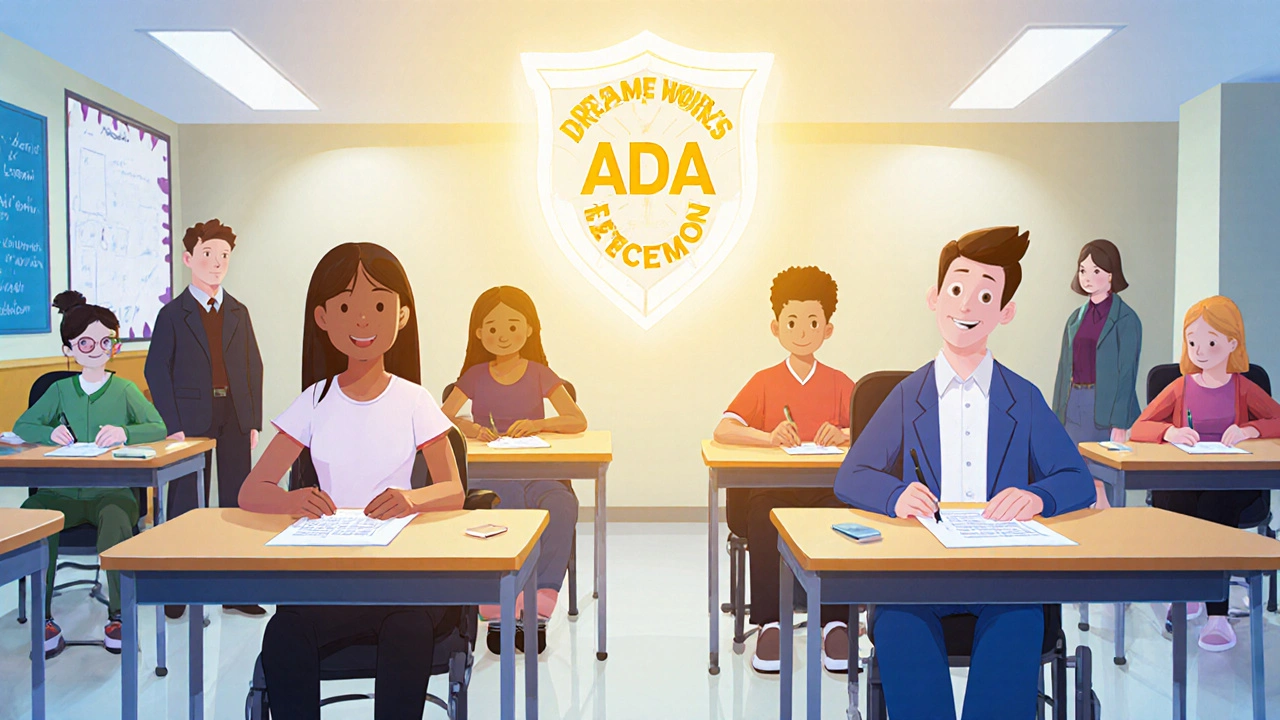
ADA and Accessibility Requirements for Certification Exams
ADA requires certification exams to be accessible to all. Learn what accommodations you can request, how providers must comply, and how WCAG standards ensure fair testing for people with disabilities.