Chainlink: What It Is, How It Works, and Why It Matters in Crypto
When you hear Chainlink, a decentralized oracle network that brings real-world data into smart contracts on blockchains. Also known as LINK, it acts as the bridge between blockchain networks and outside information like stock prices, weather feeds, or sports results. Without Chainlink, smart contracts would be stuck guessing what’s happening in the real world. They can’t just look up the price of Bitcoin or check if a flight was delayed—they need a trusted source. Chainlink solves that by pulling verified data from multiple sources and feeding it securely into smart contracts.
Think of it like a translator who speaks both blockchain and real life. If you have a smart contract that pays out when a soccer team wins, it needs to know the actual match result. Chainlink gathers that data from dozens of sports APIs, checks for consistency, and delivers only the truth. That’s why it’s used by major DeFi platforms like Aave and Synthetix, and even insurance startups that automate payouts based on weather data. It’s not just a token—it’s infrastructure. And unlike other oracles that rely on a single source, Chainlink’s network is built to resist manipulation. Even if one data feed is hacked or wrong, the system ignores it and trusts the majority.
Real-world use cases go beyond finance. Farmers use Chainlink-powered contracts to get paid automatically when drought conditions hit. Airlines use it to trigger refunds when flights are delayed. Even gaming platforms rely on it for provably fair outcomes. That’s why Chainlink isn’t just another crypto project—it’s one of the few that’s already solving practical problems at scale. And while many tokens rise and fall with hype, Chainlink’s value comes from its role in keeping entire systems running reliably.
What you’ll find in the posts below isn’t just theory. These are real guides from traders and developers who’ve used Chainlink to build, invest, and protect their positions. You’ll see how to evaluate its tech, understand its risks in leveraged trading, and spot when it’s being used behind the scenes in stablecoins and DeFi apps. No fluff. Just what works.
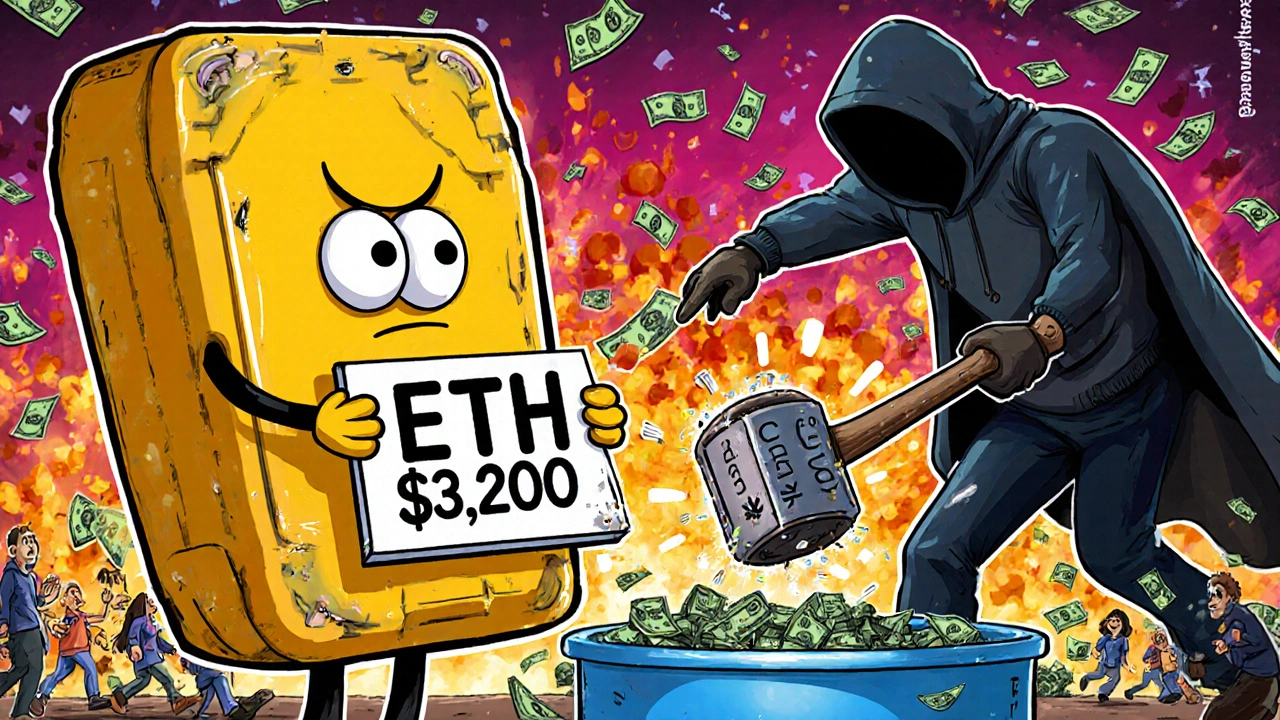
Oracle Security in DeFi: How to Prevent Price Manipulation in Smart Contract Protocols
Price oracle manipulation is the leading cause of DeFi exploits, costing over $400 million in 2023. Learn how to prevent it with decentralized oracles, TWAP, circuit breakers, and proper liquidation thresholds.