Cloud-Based LMS: What It Is and How It Powers Modern Learning
When you think about taking an online course, you’re probably using a cloud-based LMS, a learning management system hosted on remote servers that lets you access courses through a web browser without installing anything. Also known as a web-based LMS, it’s what makes it possible to start a trading course on your phone during lunch, finish a module on your tablet at night, and join a live workshop from your laptop—all without touching a single server. This isn’t just convenience. It’s the backbone of modern education, especially for people learning skills like trading, where flexibility and real-time updates matter more than ever.
A cloud-based LMS isn’t just a place to upload videos. It’s a full ecosystem. It handles user accounts, tracks progress, delivers quizzes, stores certificates, and even sends reminders when you’ve been inactive. Behind the scenes, it connects to tools like security logging, systems that monitor access and flag unusual behavior to protect student data, and LMS integration, the ability to link with other platforms like payment systems, video conferencing tools, or analytics dashboards. Without these, your course platform could be vulnerable to breaches or fall apart when too many people log in at once. That’s why the best cloud-based LMS platforms don’t just store content—they protect it, scale with you, and adapt to how you learn.
Think about what you need from a learning system. Do you want to know if you’re falling behind? A good cloud-based LMS shows you your progress. Do you need to collaborate with others? It should support discussion boards or peer review. Are you worried about losing your work? It backs everything up automatically. The posts below cover exactly these kinds of real-world concerns: how to set up secure logging, how to test what content works best, how to re-engage students who disappear, and how to make sure your course works for everyone—including those with disabilities. You’ll find practical advice on tools and tactics that actually get used in live training environments, not just theory from textbooks. Whether you’re building a course, taking one, or just trying to understand why some platforms feel smooth and others feel broken, this collection gives you the clarity you need to make smarter choices.
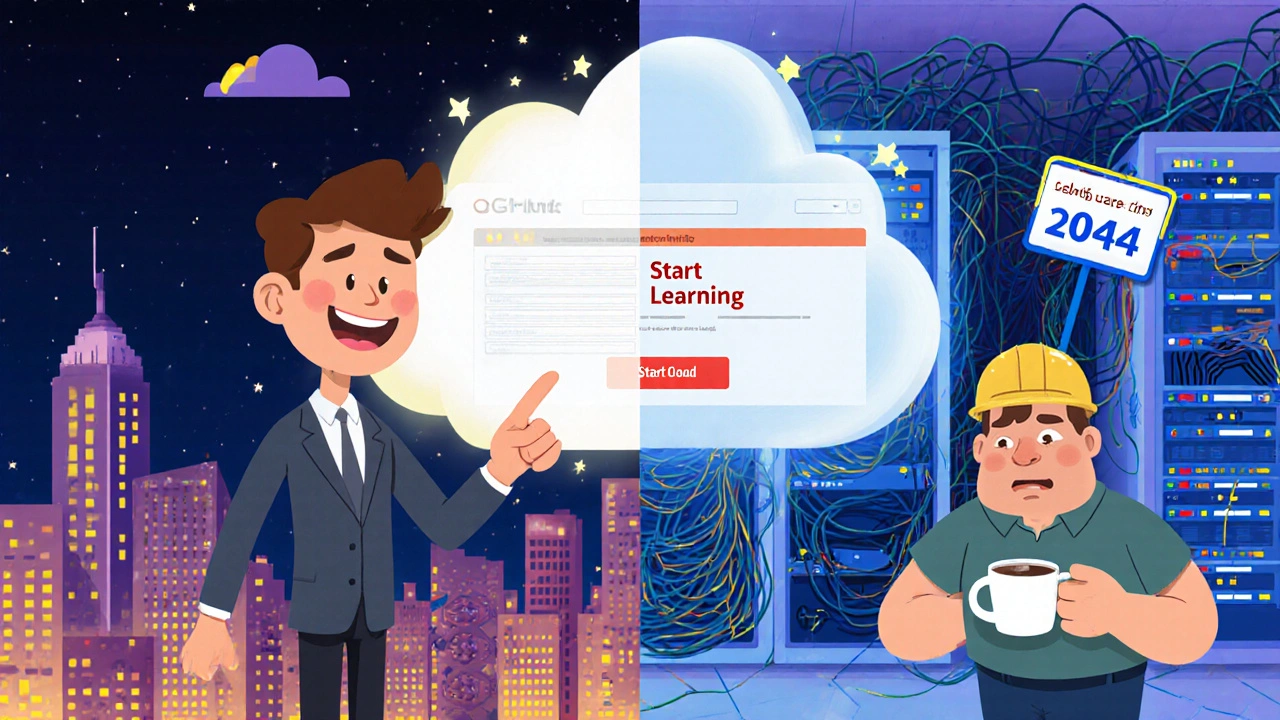
Cloud-Based vs Self-Hosted LMS: Which Is Right for Your Organization?
Cloud-based and self-hosted LMS options offer different trade-offs in cost, control, and security. Learn which one fits your organization's size, tech capacity, and compliance needs.