Contract Law Basics: What You Need to Know for Trading and Online Courses
When you buy an online course, sign up for a trading signal service, or even agree to a platform’s rules, you’re entering a contract, a legally binding agreement between two or more parties that creates enforceable obligations. Also known as binding agreement, it doesn’t need to be written down to be valid—but if it’s not clear, you’re at risk. Whether you’re a trader using a broker’s platform or an educator selling courses, contract law basics determine what you can and can’t do, what you’re owed, and how to protect yourself when things go wrong.
Many people think contracts are only for big businesses or lawyers, but that’s not true. Every time you click "I Agree" on a Terms of Service page, you’re accepting a contract. The Terms of Service, a legal document outlining the rules users must follow to use a service or product is one of the most common contracts in online learning and trading. It covers things like refunds, data use, liability, and what happens if you break the rules. If your course platform bans you for violating their Terms of Service, they can legally do it—if the contract was clear. Same goes for trading platforms that freeze your account over a breach. You need to read them, not just skip to the button.
Another key concept is legal compliance, adhering to laws and regulations that govern agreements, data, and business practices. In online education, this means following privacy laws like FERPA or GDPR when handling student data. In trading, it means making sure your signal provider isn’t misleading you with false claims—those could be considered fraudulent contracts. You can’t rely on gut feelings. If a broker promises "guaranteed profits," that’s not marketing, that’s a potential legal trap. Real contracts require honesty, clarity, and mutual understanding.
And don’t forget online course agreements, specific contracts between educators and learners that define access, refunds, intellectual property, and conduct. These aren’t just fine print—they’re your safety net. If a course disappears after payment, or if your certification gets revoked over a technicality, your rights come from this agreement. Most people don’t know this, but under contract law basics, you’re entitled to what was promised. If the course says "lifetime access," and they change it later, they broke the contract.
What you’ll find in these posts isn’t legal theory. It’s real-world examples: how a poorly written Terms of Service got a course creator sued, why stablecoin traders need to understand platform agreements, how community guidelines become enforceable rules, and what happens when a trading mentor fails to deliver on their promises. These aren’t hypotheticals. They’re cases that happened. And they’ll show you how to spot red flags before you click "Agree."
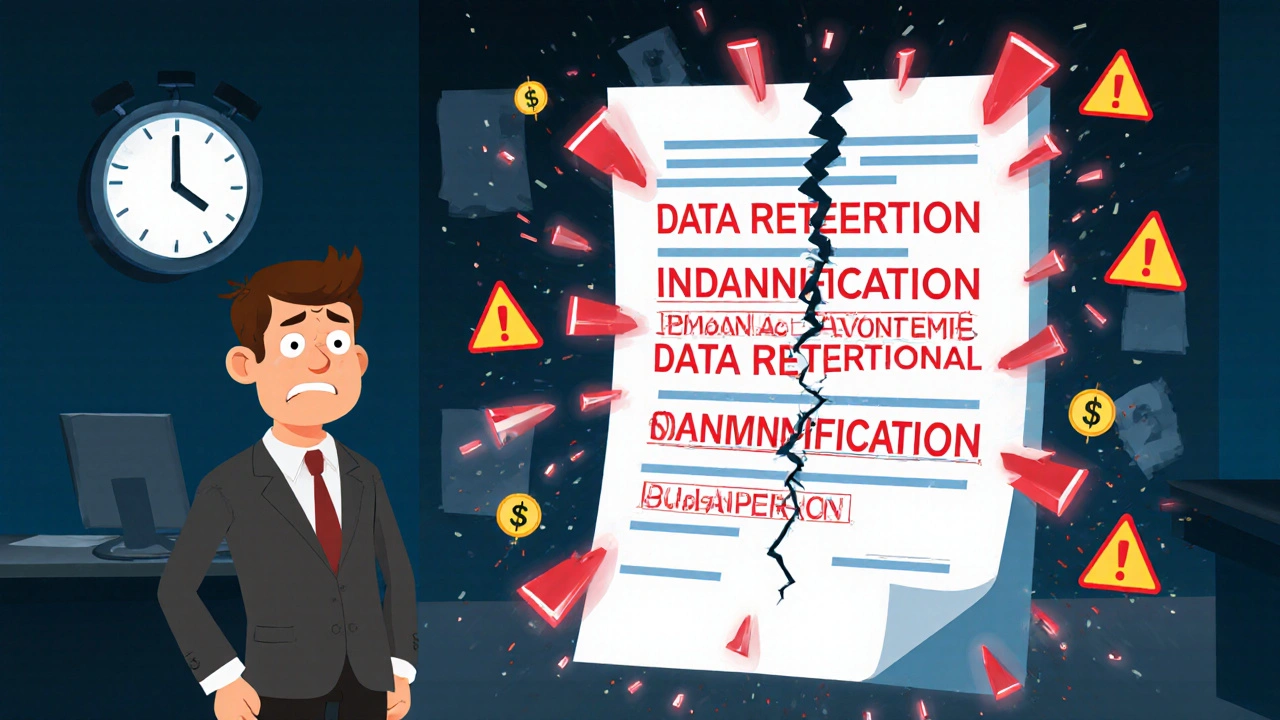
Legal Compliance and Contract Training for Professionals: What You Need to Know Today
Legal compliance and contract training helps professionals avoid costly mistakes, lawsuits, and career damage. Learn what contracts actually require, how compliance protects you, and where to get practical training that sticks.