Course Accommodations: What You Need to Know for Fair Access to Learning
When we talk about course accommodations, adjustments made to learning environments to ensure equal access for students with disabilities. Also known as educational accommodations, they’re not special treatment—they’re legal requirements under the ADA, Americans with Disabilities Act, a civil rights law that prohibits discrimination based on disability. If a student needs extra time on a test, screen reader-friendly materials, or a quiet room for exams, the course provider must make those changes. It’s not optional. It’s not charity. It’s the law.
These accommodations don’t just apply to traditional classrooms. They’re just as critical in online learning platforms, certification exams, and self-paced courses. That’s why you’ll find posts here about WCAG standards, Web Content Accessibility Guidelines that define how to make digital content accessible to people with visual, auditory, motor, or cognitive disabilities, and how to build slides, LMS dashboards, and exams that work for everyone. It’s not about making things pretty—it’s about making them usable. A student with dyslexia shouldn’t struggle because your PDF isn’t tagged properly. A learner who uses a keyboard instead of a mouse shouldn’t get locked out of a quiz because it requires a mouse click. These aren’t edge cases—they’re everyday realities for millions of learners.
And it’s not just about tech. Accommodations include flexible deadlines, alternative formats like audio or braille, note-takers, sign language interpreters, and even modified assessment methods. The goal is to remove barriers—not lower standards. You can still test knowledge, but you have to let students show it in ways that work for them. That’s why posts in this collection cover everything from how to design accessible PowerPoint decks to what legal protections instructors need when offering accommodations. It’s also why some articles dig into how certification providers handle exam accommodations across countries, because fairness doesn’t stop at borders.
Many people think accommodations are expensive or complicated. They’re not. Most cost little to nothing—like changing a font size, adding captions, or letting someone take a test in a quieter space. The real cost is in ignoring them. Lawsuits, lost trust, and damaged reputations cost far more than a few simple adjustments. And the best part? When you design for accessibility, you help everyone. Captions help non-native speakers. clear layouts help people stressed or tired. flexible deadlines help parents, caregivers, and people with chronic conditions. Accessibility isn’t a box to check. It’s better teaching.
What you’ll find in this collection are real, practical guides—not theory. You’ll learn how to request accommodations as a student, how to implement them as an instructor, and how platforms like Moodle or Canvas can be configured to support them. You’ll see what happens when schools skip compliance, and how to avoid common mistakes that make learning harder instead of easier. This isn’t about legal jargon. It’s about making sure no one gets left behind because the system wasn’t built for them.
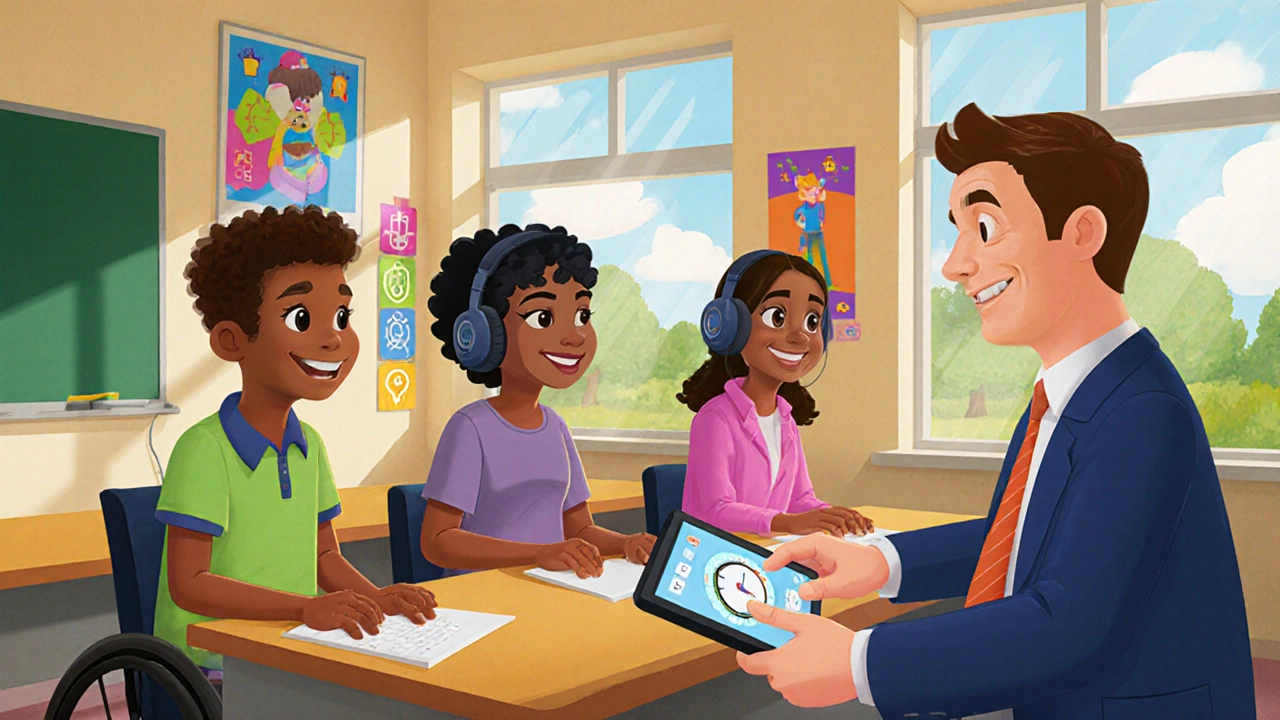
Disability Accommodation Policies and Procedures for Courses
Learn how to implement disability accommodations in courses legally and effectively. Understand common accommodations, instructor responsibilities, and how to design inclusive learning experiences that meet ADA and Section 504 requirements.