CPR Course Content: What You Need to Learn to Save Lives
When you take a CPR course content, the structured set of skills and knowledge taught in certified cardiopulmonary resuscitation training. Also known as basic life support training, it's not just about memorizing steps—it's about building muscle memory so your body reacts right when seconds count. Most people think CPR is just chest compressions. But real CPR course content includes so much more: recognizing when someone’s in trouble, calling for help the right way, using an AED, and even handling choking in adults, kids, and babies.
Good CPR training doesn’t skip the messy parts. It teaches you how to push hard and fast on the center of the chest—at least 2 inches deep, at a rate of 100 to 120 beats per minute. That’s the beat of "Stayin’ Alive" by the Bee Gees, and yes, instructors actually use that song to help you keep rhythm. It also covers how to open an airway without risking neck injury, how to give breaths correctly (or just do compression-only if you’re unsure), and when to stop. The latest guidelines from the American Heart Association stress continuous compressions over interrupting for breaths in most cases, especially for bystanders. And don’t forget the AED—those automated devices are everywhere now, and CPR course content includes how to use them safely, even if you’ve never touched one before.
What makes a CPR course worth your time isn’t the certificate—it’s the confidence. You’ll learn how to stay calm under pressure, how to communicate clearly with 911 operators, and how to work with others if more than one person is there. Real CPR training includes practice on manikins with feedback sensors that tell you if you’re pushing deep enough or too slow. It’s not about perfection—it’s about action. And that’s the whole point. Whether you’re a parent, teacher, office worker, or gym member, this isn’t just a box to check. It’s a skill that could mean the difference between life and death for someone you know—or a stranger.
What you’ll find in the posts below are real, practical breakdowns of what’s taught in CPR courses, how they’ve changed over the years, what common mistakes people make during training, and how to keep your skills sharp after certification. You’ll see how CPR fits into broader emergency response, what to expect in a class, and how to spot a training program that actually prepares you—not just gives you a card.
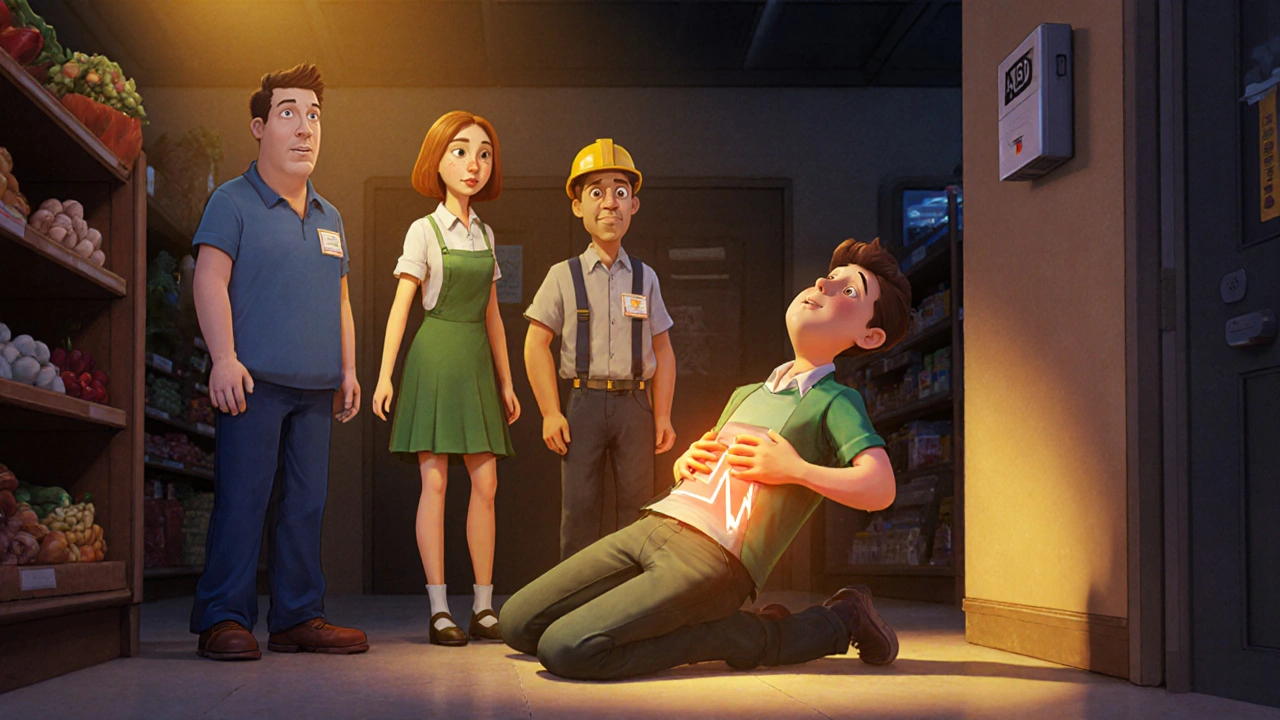
First Aid and CPR Certification Courses: What to Teach
Learn what to teach in first aid and CPR certification courses, from recognizing emergencies to hands-on CPR, AED use, choking, bleeding control, and common mistakes to avoid. Evidence-based, practical, and life-saving.