CPR training: What it is, who needs it, and how it saves lives
When someone collapses suddenly, their heart stops pumping blood. In those first few minutes, CPR training, a life-saving technique that manually keeps blood flowing to the brain and vital organs during cardiac arrest. Also known as cardiopulmonary resuscitation, it’s not magic—it’s muscle memory built through practice. You don’t need a medical degree to do it right. You just need to know where to place your hands, how hard to push, and when to call for help.
CPR training isn’t optional for nurses or EMTs—it’s required. But it’s just as critical for teachers, parents, office workers, and gym staff. One in five cardiac arrests happens at home. One in three happens in public places like malls, schools, or workplaces. If you’ve ever watched someone go down and felt helpless, that’s the moment CPR training changes everything. It’s not about being a hero. It’s about being ready. And the best part? You don’t need fancy gear. Just your hands, a flat surface, and the willingness to act.
Modern CPR training includes more than chest compressions. It teaches you how to use an AED—a device that can shock a heart back into rhythm. It shows you how to adjust techniques for children and infants. It helps you recognize the signs of trouble before collapse happens. And it builds confidence so you don’t freeze when seconds count. Studies show that bystander CPR doubles or even triples survival rates. That’s not a guess. That’s data from hospitals and emergency responders across the U.S. and Europe.
Some people think CPR training is too technical, too long, or too expensive. That’s outdated. Most courses now take under two hours. Many are free through local fire departments or community centers. Online modules walk you through the steps with video demos. Then you practice on manikins—real ones, with feedback sensors that tell you if you’re pushing hard enough. You leave with a certification that’s valid for two years, and more importantly, you leave knowing you can save a life.
It’s not just about the technique. It’s about the mindset. Too many people wait for someone else to act. They assume someone nearby has training. They fear legal trouble. But in nearly every state, Good Samaritan laws protect you if you act in good faith. The real risk isn’t doing CPR wrong—it’s doing nothing at all.
Below, you’ll find real guides on how to get certified, what to expect in a class, how to refresh your skills, and how to teach CPR to others. You’ll also see how organizations are using simulations and peer learning to make training stick. Whether you’re looking to meet job requirements, protect your family, or simply be the person who steps up—this collection gives you the tools to act, not just watch.
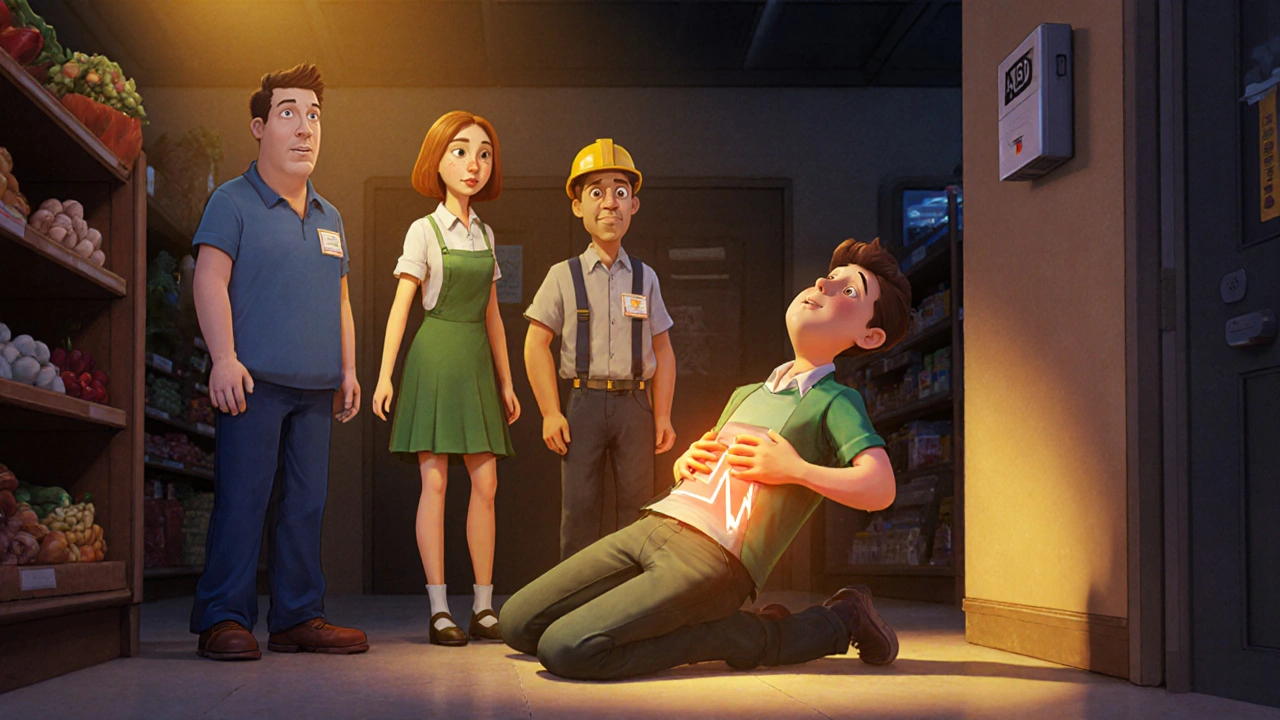
First Aid and CPR Certification Courses: What to Teach
Learn what to teach in first aid and CPR certification courses, from recognizing emergencies to hands-on CPR, AED use, choking, bleeding control, and common mistakes to avoid. Evidence-based, practical, and life-saving.