Critique Facilitation: How to Guide Constructive Feedback in Learning and Teams
When you give feedback, it’s not just about pointing out what’s wrong—it’s about helping someone get better. That’s where critique facilitation, the structured process of guiding honest, respectful, and actionable feedback in group or learning settings. Also known as feedback mediation, it’s what turns a harsh comment into a breakthrough moment. Without it, even the best ideas get buried under defensiveness, silence, or confusion.
Critique facilitation isn’t about being nice. It’s about being clear. It’s the difference between saying "This is bad" and saying "Here’s what worked, here’s where it fell short, and here’s how you could try it again." It’s used in design schools, coding bootcamps, corporate training, and even peer-led study groups. You see it in action when a student shares a trading strategy and the group walks through it step-by-step—not to tear it down, but to make it stronger. It’s also tied to instructional design, the practice of creating learning experiences that stick, because good feedback shapes how people learn. And it connects to peer mentoring, a system where learners support each other’s growth—without structured critique, peer help turns into gossip or empty praise.
Good critique facilitation doesn’t rely on personality. It uses simple frameworks: start with what worked, then what could improve, then what’s next. It gives people time to reflect, not react. It separates the idea from the person. And it’s not optional in any learning environment that wants real progress. If you’ve ever sat through a review that left you feeling crushed—or worse, ignored—you know how badly this can go. But when done right, critique becomes the engine of improvement. It’s why some teams get better every week, while others stay stuck.
In the posts below, you’ll find real examples of how critique facilitation shows up in learning systems—from structuring peer reviews in online courses to designing feedback loops that actually change behavior. You’ll see how it’s used in A/B testing of course content, how it supports accessibility in slide decks, and how it keeps online communities safe and productive. These aren’t theories. They’re tools used by educators and trainers who need results, not just good intentions.
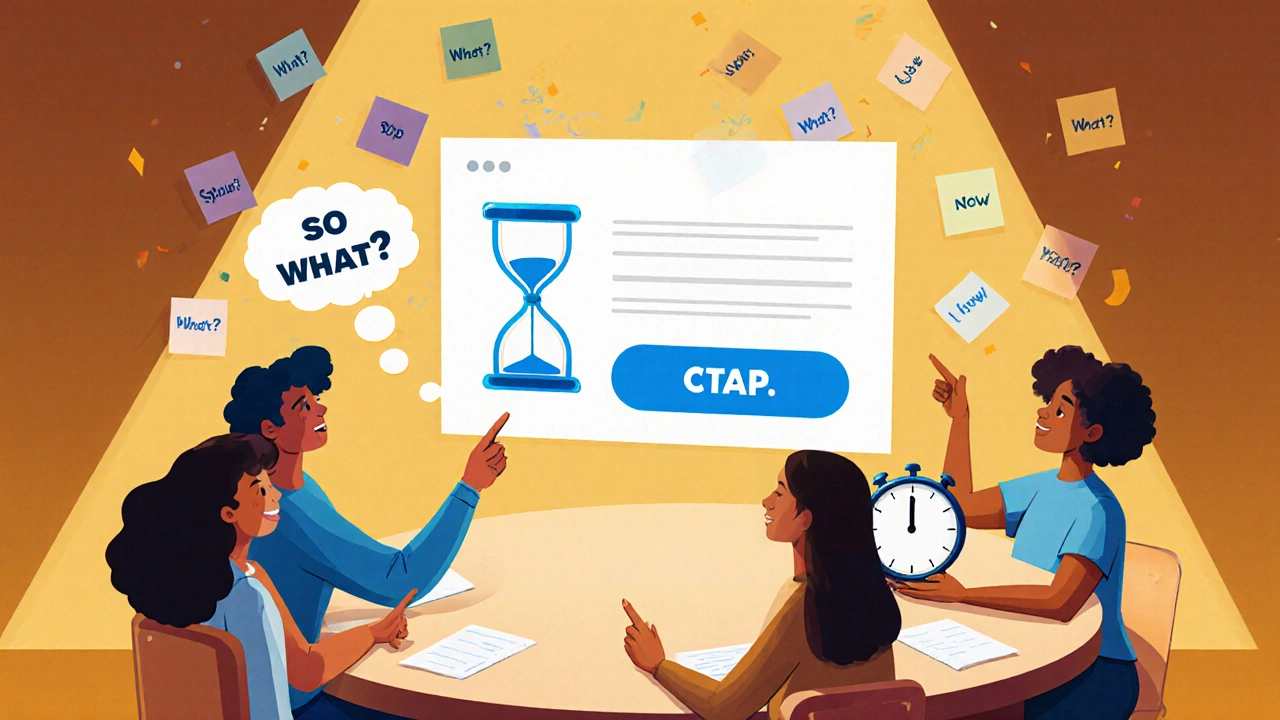
Design Critique Workshops: How to Facilitate and Give Feedback That Actually Improves Work
Learn how to run design critique workshops that actually improve work. Discover proven feedback frameworks, facilitation techniques, and how to turn criticism into actionable design improvements.