Cross-Border Education Contracts: What You Need to Know About International Course Agreements
When you sell an online course to someone in Germany, Brazil, or Japan, you’re not just delivering content—you’re entering a cross-border education contract, a legally binding agreement that defines how educational content is delivered, paid for, and protected across international borders. Also known as international education licensing agreements, these contracts cover everything from payment currencies and tax obligations to data privacy rules and intellectual property rights. Most course creators assume a simple PDF terms page is enough. It’s not. One U.S.-based training provider lost $270,000 in 2023 after a client in the EU successfully sued them for not complying with GDPR in their course enrollment process.
These contracts don’t exist in a vacuum. They’re tied to B2B education sales, the process of selling courses to companies, schools, or government agencies in other countries. If you’re licensing your corporate training program to a multinational firm, your contract must handle multiple legal jurisdictions. It’s not just about translation—it’s about global certification, the recognition and validity of credentials across countries. A certification that’s accepted in Canada might be meaningless in Australia if your contract doesn’t specify accreditation standards. And if your course includes video content, you’re also dealing with course licensing, the legal permission to distribute educational material under specific terms. Many creators think they can reuse the same license everywhere. They can’t. The EU’s Digital Services Act, Brazil’s LGPD, and Japan’s APPI all demand different handling of student data and content usage rights.
What you’ll find in this collection aren’t theoretical legal essays. These are real, battle-tested guides from people who’ve been sued, had their courses pirated overseas, or lost deals because their contracts were too vague. You’ll learn how to use DMCA notices to stop cross-border piracy, how to structure nurture sequences that work across cultures without sounding pushy, and how to design certification exams that pass international fairness checks. You’ll see how companies like Coursera and Udemy handle these contracts behind the scenes—and how small providers can copy their best practices without hiring a global lawyer. This isn’t about legal jargon. It’s about protecting your business, getting paid, and making sure your courses actually work where they’re sold.
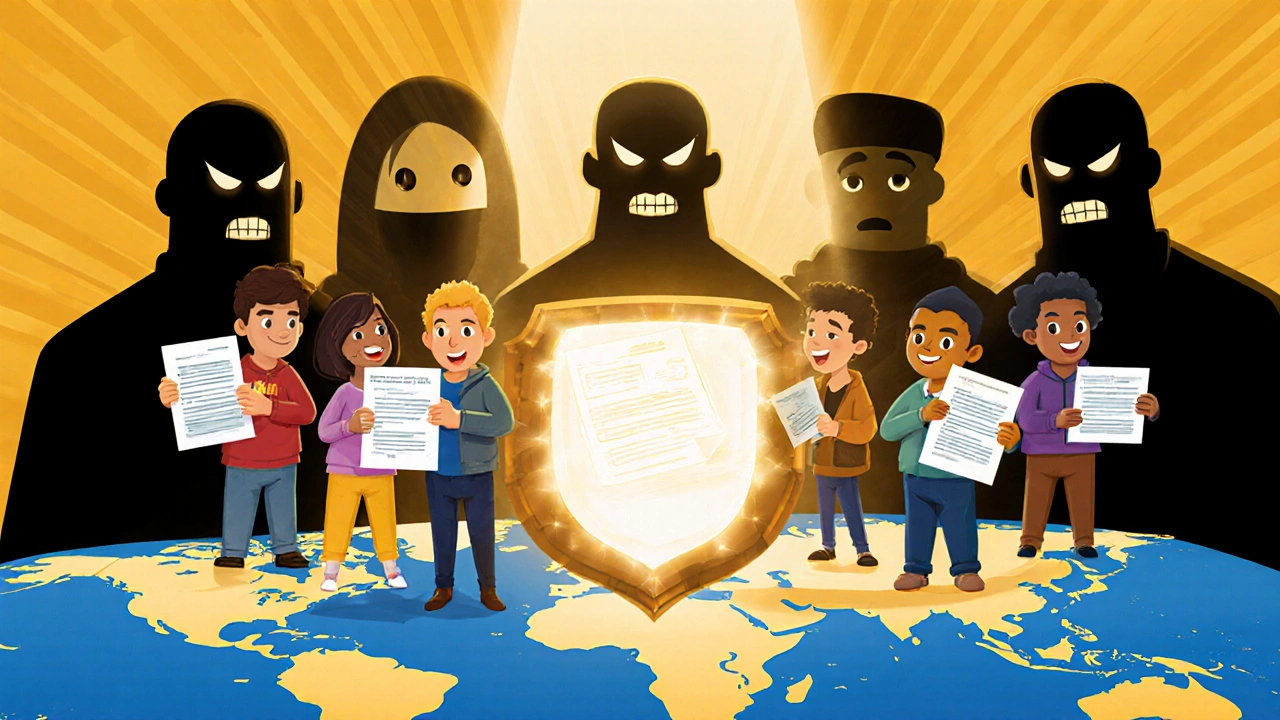
Legal Agreements for International Training Partnerships: What You Must Know
International training partnerships require detailed legal agreements to protect your program, students, and compliance. Learn the seven essential clauses and common mistakes to avoid when working across borders.