Disability Accommodation in Online Learning: What You Need to Know
When we talk about disability accommodation, reasonable adjustments made to ensure people with disabilities can access the same learning opportunities as everyone else. Also known as educational accessibility, it's not about special treatment—it's about removing barriers so everyone can succeed. This isn't optional. Under the ADA, the Americans with Disabilities Act, a U.S. civil rights law that prohibits discrimination based on disability, any organization offering certification exams, online courses, or training must provide accessible testing, the practice of modifying exam formats, delivery methods, or environments to meet individual needs without lowering standards. If your platform doesn't support screen readers, doesn't allow extra time, or ignores captioning needs, you're not just being inconvenient—you're breaking the law.
Good disability accommodation isn't a checklist. It's a mindset. Think about someone who's blind taking a trading course. Can they navigate your platform with voice software? Can they hear audio explanations of candlestick charts? What about someone with dyslexia—can they adjust text spacing or use text-to-speech without jumping through hoops? These aren't edge cases. One in four adults in the U.S. lives with a disability. That’s millions of potential learners, and if your system doesn’t work for them, you’re losing more than just compliance points—you’re losing trust. The WCAG standards, the Web Content Accessibility Guidelines, a global set of technical rules for making digital content usable by people with disabilities give you a clear roadmap: provide text alternatives, make navigation keyboard-friendly, ensure color contrast is readable, and avoid content that flashes or stutters. These aren’t suggestions. They’re the baseline.
And it’s not just about tech. Accommodations include extended time on exams, quiet testing rooms, alternative formats like Braille or large print, and even flexible deadlines when health conditions interfere. The key is asking learners what they need—not guessing. Many platforms assume accommodations are expensive or complicated, but often the fix is simple: turn on captions, label images clearly, or let students download materials as PDFs. The posts below show exactly how this works in real courses—from designing accessible slide decks to ensuring certification exams meet legal requirements. You’ll see how schools and training providers are making real changes, one adjustment at a time. Whether you’re an instructor, a course designer, or someone who needs these supports, what follows isn’t theory. It’s practice.
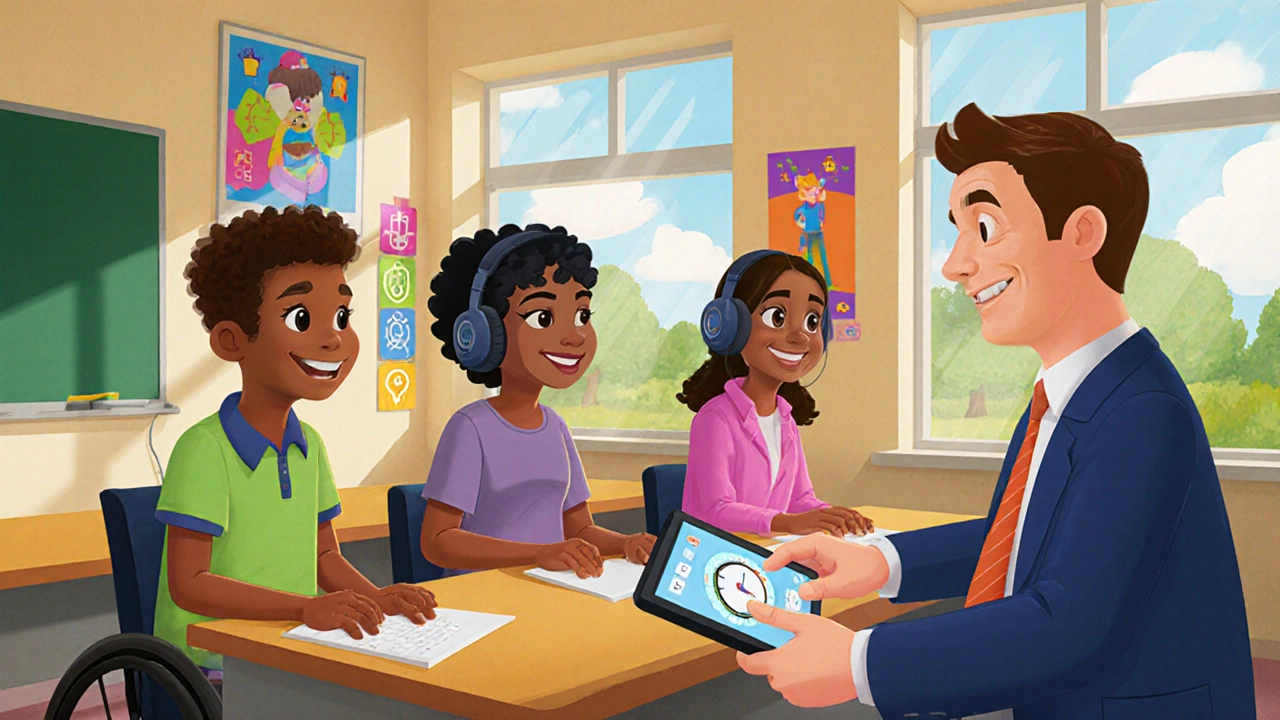
Disability Accommodation Policies and Procedures for Courses
Learn how to implement disability accommodations in courses legally and effectively. Understand common accommodations, instructor responsibilities, and how to design inclusive learning experiences that meet ADA and Section 504 requirements.