Exam Accommodations: What You Need to Know for Fair Testing
When we talk about exam accommodations, adjustments made to testing conditions so people with disabilities or learning differences can demonstrate their true knowledge. Also known as testing accommodations, they’re not about giving an advantage—they’re about removing unfair barriers. If you’ve ever struggled with time limits, bright lights, or reading dense text on a screen, you know how a standard test can feel like a maze with no exit. Exam accommodations fix that.
These adjustments aren’t one-size-fits-all. They’re tailored to the person. Someone with dyslexia might get extended time or screen reader software. Someone with anxiety might need a quiet room. A person with mobility issues might use voice-to-text tools. The goal? Let their skills shine, not their struggles. Schools, certification bodies, and employers are required by law in many places to provide these, but too often, people don’t know how to ask—or they’re told no. That’s where this collection comes in.
You’ll find real advice here on how to request accommodations without getting stuck in bureaucracy. We cover what documentation you actually need, how to talk to administrators without sounding demanding, and which tools work best for different needs. There’s also guidance on how institutions can design fairer tests from the start—not as an afterthought. You’ll see how disability accommodations, changes made to remove barriers for people with physical, cognitive, or sensory differences connect to exam accessibility, the practice of making assessments usable by everyone, regardless of ability. And you’ll learn why fair testing, designing assessments that measure knowledge, not disadvantage isn’t just ethical—it’s legal, practical, and smarter for everyone.
These aren’t theoretical ideas. The posts here come from people who’ve fought for accommodations, designed them, or failed because they didn’t know how to ask. You’ll find checklists for requesting time extensions, templates for medical documentation, and real examples of what worked (and what didn’t) in online courses, certification exams, and corporate training. No fluff. No jargon. Just what you need to get the support you’re entitled to—and help others do the same.
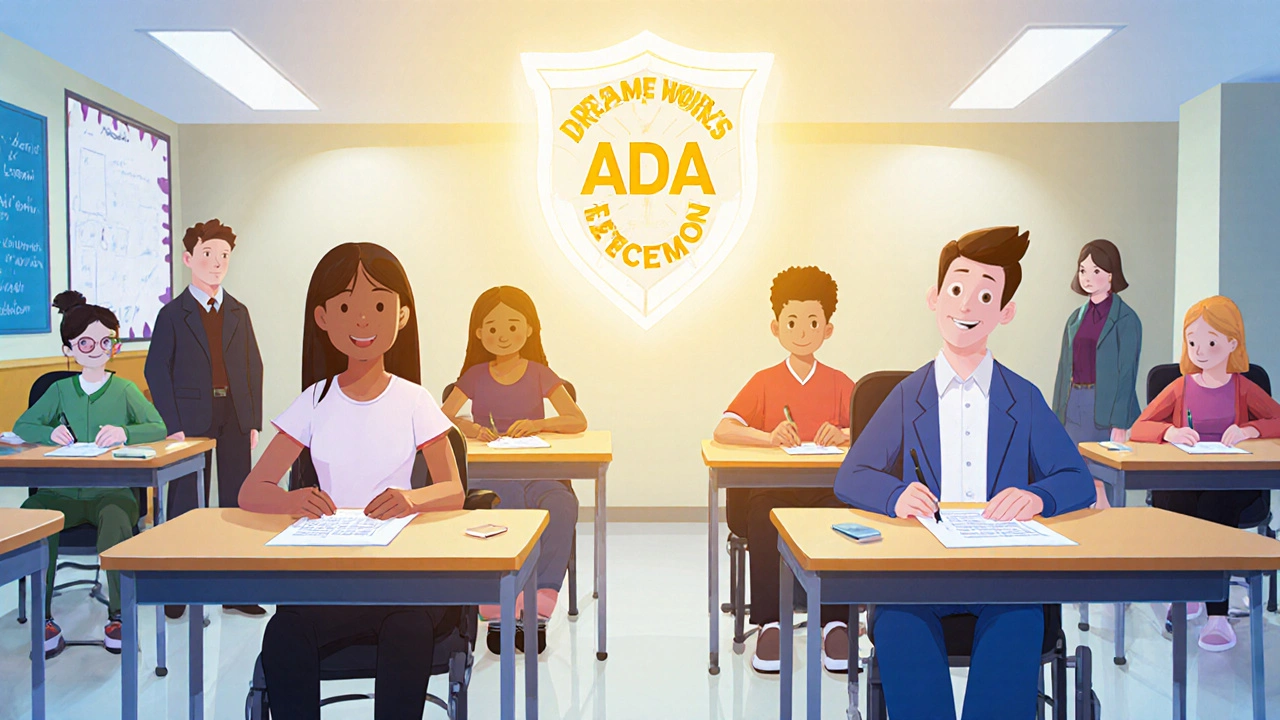
ADA and Accessibility Requirements for Certification Exams
ADA requires certification exams to be accessible to all. Learn what accommodations you can request, how providers must comply, and how WCAG standards ensure fair testing for people with disabilities.