First Aid Curriculum: What Works, What Doesn't, and Where to Start
When you're faced with a sudden emergency—a child choking, someone collapsing, a deep cut bleeding out—your training kicks in before your panic does. A solid first aid curriculum, a structured set of skills and procedures designed to respond to medical emergencies before professional help arrives. Also known as emergency response training, it's not about memorizing textbooks—it's about building muscle memory for real moments that can't be rehearsed. Most people think first aid is just bandages and CPR. It’s more than that. A good curriculum includes recognizing strokes, handling seizures, managing allergic reactions, and even calming someone down while waiting for 911. These aren’t optional extras—they’re the difference between life and death.
What makes one curriculum work and another fail? It’s not the brand or the fancy certificate. It’s whether the training is practical, repeated, and relevant. The American Heart Association’s guidelines, updated every five years, are the gold standard because they’re based on real-world outcomes—not theory. Studies show people who train with hands-on practice using manikins retain 70% more than those who only watch videos. And if the course skips things like bleeding control or airway management, it’s incomplete. A real CPR certification, a recognized credential proving competency in cardiopulmonary resuscitation techniques should include chest compressions, AED use, and rescue breathing. But it shouldn’t stop there. emergency response training, a broader set of skills that includes trauma care, environmental emergencies, and crisis communication also covers burns, fractures, poisoning, and even how to help someone having a panic attack. These aren’t niche topics—they’re common. One in four people will face a medical emergency at home each year.
Many programs focus too much on paperwork and not enough on practice. If you’ve ever taken a course where you sat through two hours of slides and then did one quick CPR demo, you know what I mean. Real training means doing compressions until your arms ache. It means practicing tourniquet application on a fake limb until it’s automatic. It means learning how to talk to a terrified parent while keeping your voice steady. The best curricula are built like a skill ladder: start simple, repeat often, then layer in complexity. They also teach you how to stay safe while helping—because you can’t help anyone if you become another victim.
And here’s the truth: you don’t need to be a nurse or a firefighter to make a difference. Teachers, parents, office workers, coaches, and neighbors are often the first on the scene. That’s why workplace and community first aid programs are growing fast. Schools are starting to require it. Some states now make CPR training part of high school graduation. Why? Because when seconds count, the person next to you is your best chance.
What you’ll find in the posts below isn’t a list of courses to buy. It’s a collection of real insights—how to design a curriculum that sticks, how to teach it without overwhelming people, how to make sure it works when it matters most. Whether you’re setting up training for your team, looking to get certified, or just want to know what to ask before signing up, these posts cut through the noise. No fluff. Just what works.
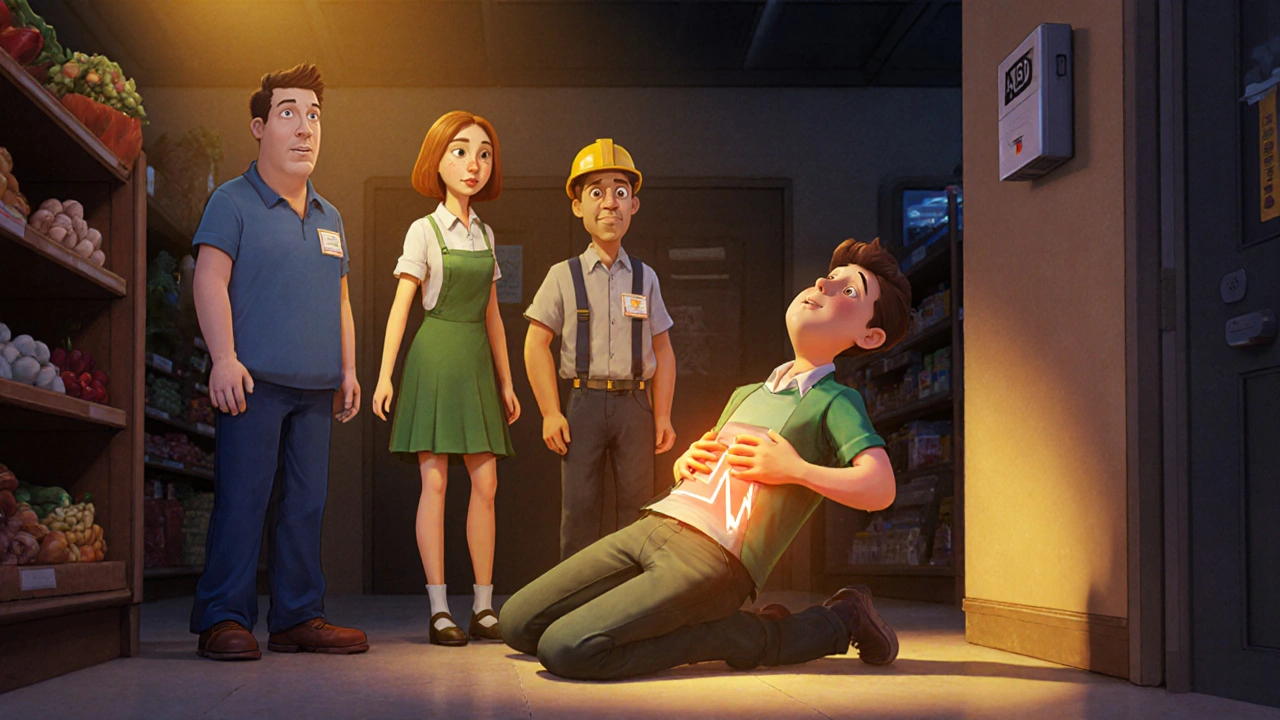
First Aid and CPR Certification Courses: What to Teach
Learn what to teach in first aid and CPR certification courses, from recognizing emergencies to hands-on CPR, AED use, choking, bleeding control, and common mistakes to avoid. Evidence-based, practical, and life-saving.