Gamification in Learning: How Game Design Boosts Course Engagement
When you think of gamification, the use of game-like elements in non-game contexts to drive motivation and engagement. Also known as game-based learning, it's not about turning your course into a video game—it's about using the same psychology that makes apps addictive to help people stick with learning. You’ve felt it before: the rush of unlocking a badge, the urge to climb a leaderboard, the satisfaction of seeing your progress bar fill up. That’s not luck. That’s design. And it works—especially when people are tired, distracted, or overwhelmed.
Good gamification doesn’t just slap points on a quiz. It taps into real human drives: the need to belong, to improve, to see results. Think of it like fitness apps that nudge you to hit your step goal. In learning, that could mean earning a badge after completing three modules, unlocking a new lesson only after passing a challenge, or seeing your name pop up in a weekly top learner list. These aren’t just decorations—they’re signals that say, "You’re making progress," and that’s powerful. Studies from real classroom pilots show learners using gamified systems complete courses 30-50% more often than those in traditional setups. Why? Because the system gives them feedback they can feel, not just read.
It’s not just about points and badges. The best systems also use progress tracking, visual indicators that show learners how far they’ve come and what’s left, immediate feedback, instant responses to actions that reinforce learning, and social recognition, public acknowledgment of achievement within a learning community. These elements work together. A learner finishes a module → gets instant feedback → sees their progress bar move → shares their badge in a group → feels proud → keeps going. It’s a loop that replaces boredom with curiosity.
You’ll find these ideas in the posts below—not as theory, but as real tools used in actual courses. Some posts show how escape rooms and puzzles turn passive watching into active problem-solving. Others reveal how A/B testing helps pick the right reward system. There’s even one on how to re-engage students who checked out—using simple gamified nudges, not guilt trips. These aren’t gimmicks. They’re practical fixes for the biggest problem in online learning: people quitting before they finish. If you’ve ever wondered why some courses feel alive while others feel like a chore, the answer is often right here—in the way they make learning feel like a game you’re winning, not a task you’re enduring.
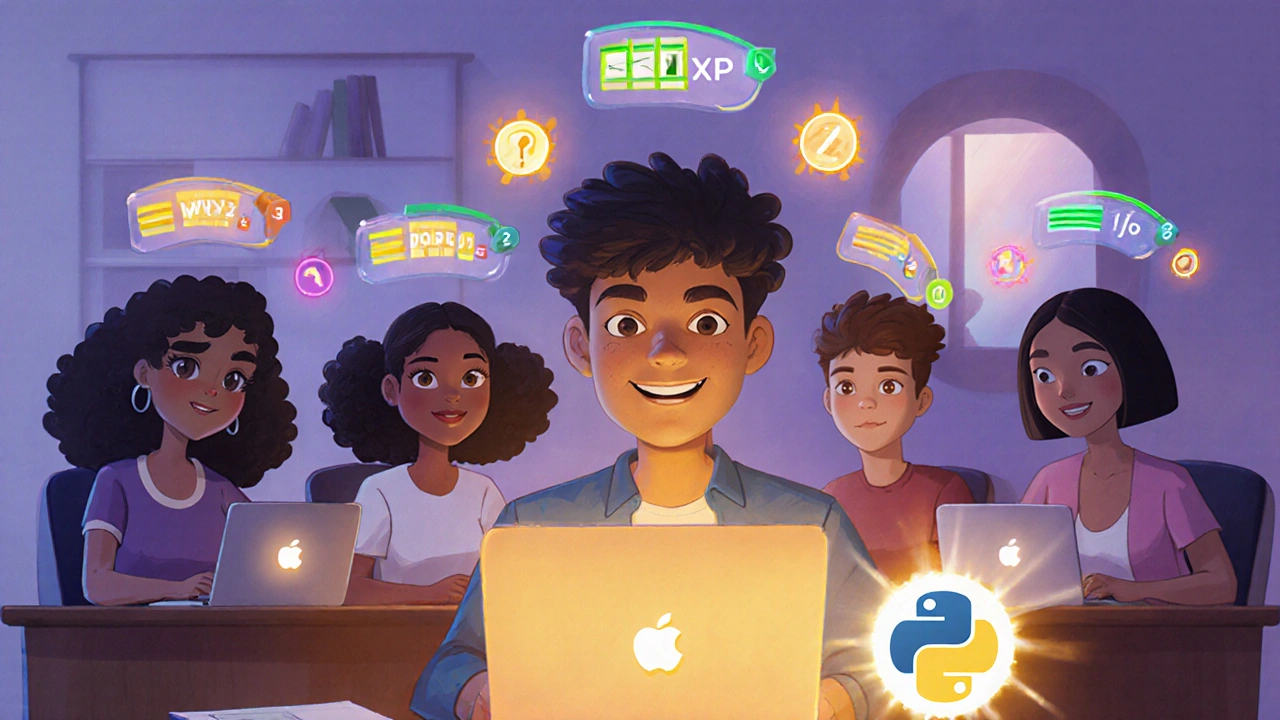
How Gamification Boosts Online Course Completion Rates
Gamification turns online courses from chores into engaging experiences. Learn how streaks, badges, and progress tracking boost completion rates by up to 60%-backed by real data and proven strategies.