Global Partnership Legal Terms: What You Need to Know for Course Licensing and B2B Agreements
When you partner with another organization to sell or deliver your course internationally, you’re not just sharing content—you’re entering a global partnership legal terms, the binding rules that define rights, responsibilities, and protections between parties in cross-border education agreements. Also known as international education contracts, these terms cover everything from who owns the content, how payments are handled, and what happens if someone copies your course. Without clear legal terms, even the best course can become a liability.
These terms aren’t just about protecting your intellectual property—they’re about managing risk. For example, if you license your corporate training program to a company in Germany, you need to know if their local labor laws require you to provide accommodations for disabled learners. That’s where ADA compliance, a set of U.S. legal standards requiring accessible course materials for people with disabilities. Also known as Section 504 requirements, these rules often extend to international partners if they serve U.S. students or accept U.S. payments. And if your course gets stolen overseas? You’ll need to understand DMCA takedown, a legal process to remove stolen digital content from websites, even outside the U.S., when platforms comply with international copyright norms. Also known as online copyright enforcement, this tool helps protect your course from piracy without hiring a lawyer in every country. These aren’t optional. They’re the foundation of any serious B2B education deal.
Most course creators don’t realize how many legal traps exist in global partnerships. One partner might promise to handle student data, but if they don’t follow GDPR, you’re on the hook. Another might want to rebrand your course, but without a clear licensing clause, you lose control. The posts below show real examples: how to structure a licensing deal so you still own your content, how to use DMCA notices when someone steals your videos, how to make sure your course meets accessibility rules abroad, and how to avoid being sued because your instructor didn’t have proper liability coverage. You’ll find no fluff—just the legal details that keep your business safe and your revenue flowing.
Whether you’re selling to a corporate client in Japan, partnering with a university in Brazil, or licensing your crypto course to a platform in the EU, the same core legal principles apply. You need clarity. You need protection. You need to know exactly what you’re agreeing to before you hit "publish." The following posts give you exactly that—practical, no-nonsense guidance from people who’ve been there.
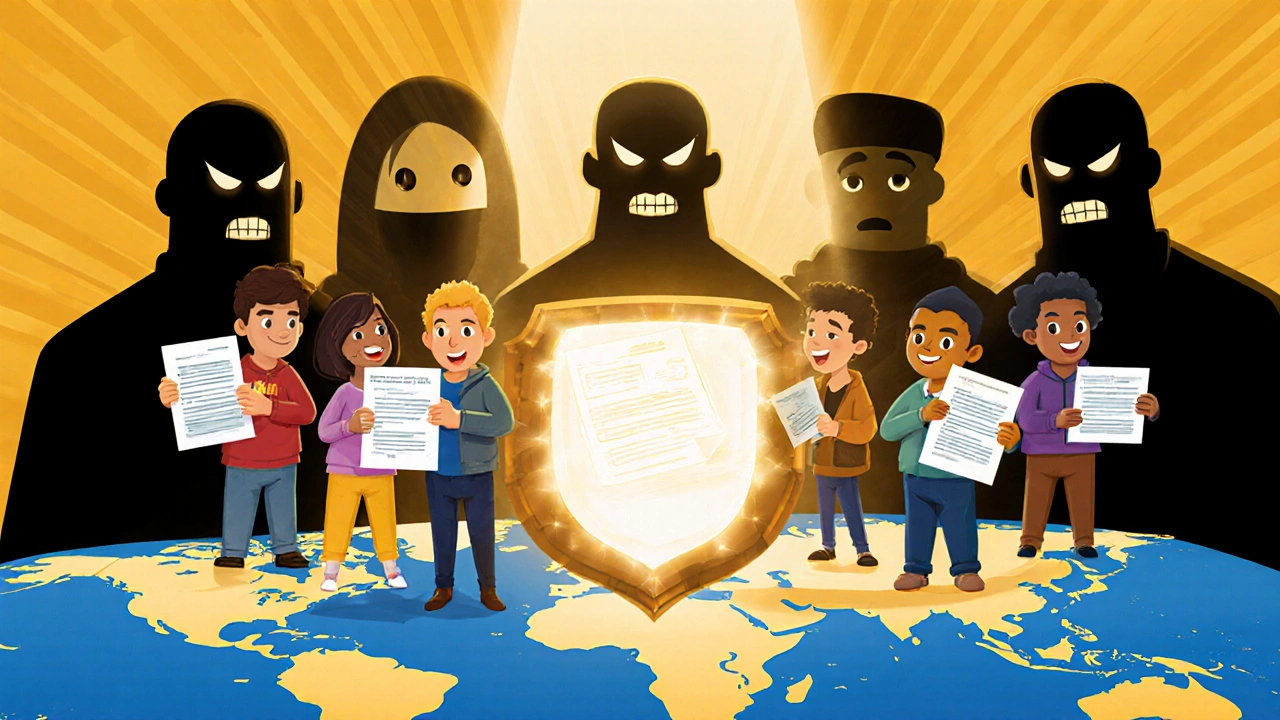
Legal Agreements for International Training Partnerships: What You Must Know
International training partnerships require detailed legal agreements to protect your program, students, and compliance. Learn the seven essential clauses and common mistakes to avoid when working across borders.