Inclusive Education: How to Design Courses That Work for Everyone
When you build an inclusive education, a learning approach that removes barriers so all students can participate fully, regardless of ability, background, or learning style. Also known as equitable education, it's not about giving everyone the same thing—it's about giving everyone what they need to succeed. Too many online courses still assume everyone learns the same way, sees the same way, or has the same access to technology. That’s not just unfair—it’s illegal under laws like the ADA, the Americans with Disabilities Act, which requires digital learning tools to be accessible to people with disabilities and guided by WCAG standards, the Web Content Accessibility Guidelines that define how to make digital content usable for people with visual, auditory, motor, or cognitive disabilities.
Inclusive education means more than adding captions to videos. It’s about designing your course from the start so someone using a screen reader can follow along, someone with dyslexia isn’t overwhelmed by text, and someone with limited internet access can still complete assignments. It’s about letting learners choose how they engage—through audio, video, text, or interactive tools. Real inclusive education doesn’t wait for complaints—it anticipates needs. Look at the posts here: you’ll find guides on making PowerPoint slides accessible, designing exams that comply with ADA rules, and setting up learning systems that log and protect student data. These aren’t afterthoughts—they’re core to building courses that actually work for real people.
You don’t need a big budget or a team of developers to start. Simple changes—like using clear headings, choosing high-contrast colors, offering downloadable transcripts, and testing your content with real users—make a huge difference. And it’s not just about legal compliance. Courses designed for inclusivity see higher completion rates, better engagement, and fewer dropouts. When learners feel seen and supported, they stick around. That’s not theory. It’s what the data shows.
Below, you’ll find practical, no-fluff guides on exactly how to make your courses more accessible, fair, and effective for every learner—not just the ones who fit the mold.
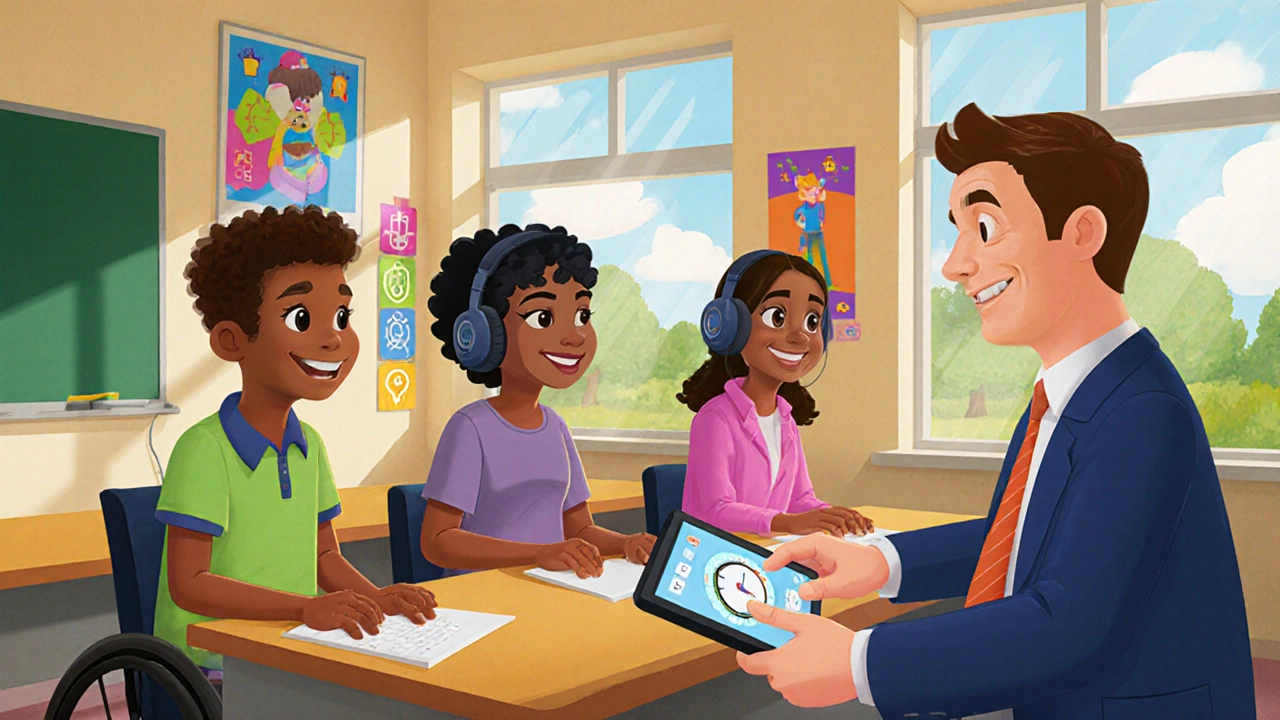
Disability Accommodation Policies and Procedures for Courses
Learn how to implement disability accommodations in courses legally and effectively. Understand common accommodations, instructor responsibilities, and how to design inclusive learning experiences that meet ADA and Section 504 requirements.