International Education Law: Rules That Shape Global Learning
When you take a course online from another country, or sit for a certification exam in a different language, you’re already inside international education law, the set of legal standards and ethical guidelines that govern how education is delivered, accessed, and certified across national borders. Also known as global education compliance, it’s not just about translation—it’s about making sure every student, no matter where they are, gets the same fair shot at learning and recognition. This isn’t theoretical. It’s what forces exam providers to adjust questions for cultural context, requires LMS platforms to support screen readers, and stops companies from selling fake certifications in one country while claiming global validity.
Behind every accessible PowerPoint slide, every ADA-compliant exam, and every certified course offered in five languages is a chain of legal obligations. ADA compliance, the legal requirement in the U.S. that educational content must be usable by people with disabilities doesn’t vanish at the border. Global providers treat it as a baseline, not a suggestion. Accessibility certification, the process of proving your course meets WCAG and other global standards is becoming as common as a course syllabus. And global certification, the practice of issuing credentials that hold weight across multiple countries demands more than just a PDF—it needs cultural adaptation, language fairness, and legal backing.
These rules aren’t just about avoiding lawsuits. They’re about trust. If your course is available in Spanish, Arabic, and Mandarin, but the exam only works on Windows and doesn’t support right-to-left reading, you’re not just excluding learners—you’re breaking the law. The same goes for AI-assisted cheating prevention. If your platform uses automated proctoring that misidentifies students from certain regions as cheaters, you’re violating fairness principles embedded in international education law. The posts below show you exactly how these rules play out in real courses: how to design exams that don’t favor one culture over another, how to embed accessibility into every video and quiz, how to protect your content with DMCA notices across borders, and how to build certification systems that actually work for students everywhere—not just the ones in Silicon Valley or London.
What you’ll find here isn’t a list of legal jargon. It’s a practical toolkit. From disability accommodations that meet Section 504 to internationalization strategies that keep exams fair, these are the real-world fixes educators and course creators are using right now. No fluff. No theory. Just what works when the stakes are high and the students are global.
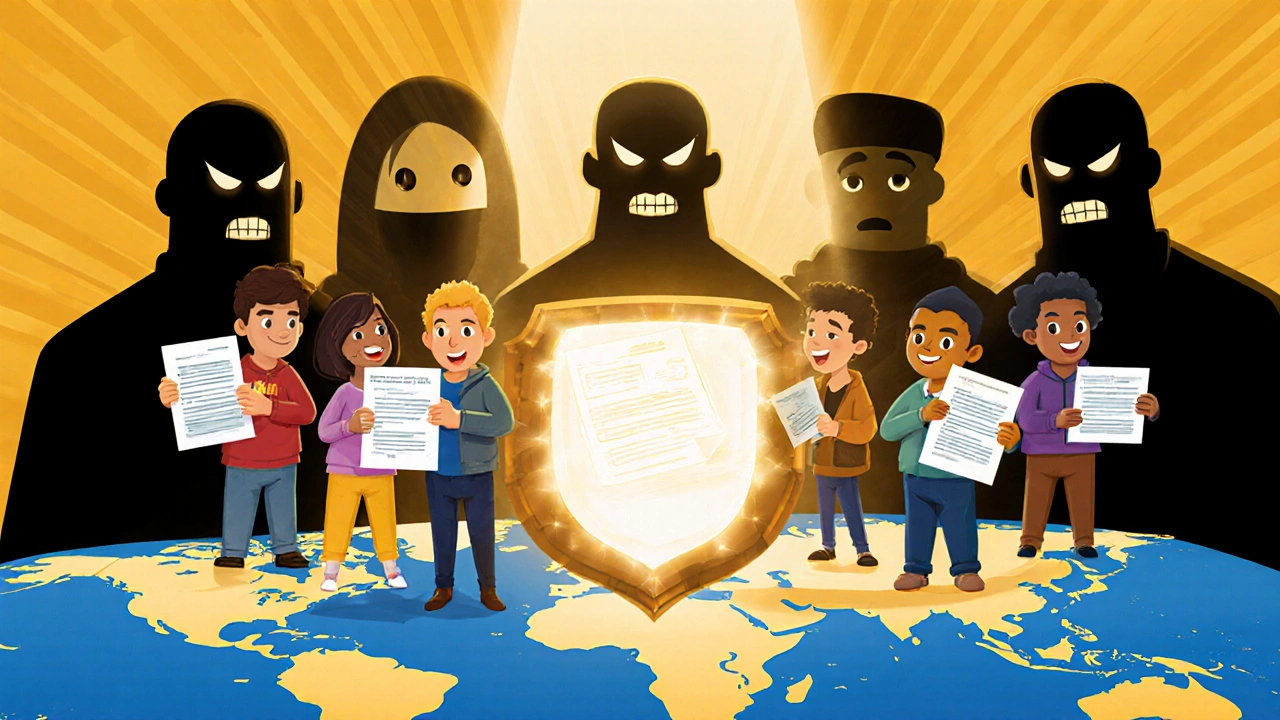
Legal Agreements for International Training Partnerships: What You Must Know
International training partnerships require detailed legal agreements to protect your program, students, and compliance. Learn the seven essential clauses and common mistakes to avoid when working across borders.