Language Course Placement: How to Find the Right Level for Real Learning
When you start a language course placement, a process that matches learners with the right level of instruction based on their current skills. Also known as language proficiency assessment, it's not just about choosing between beginner and advanced—it's about finding the sweet spot where you're challenged but not overwhelmed. Get it wrong, and you’ll either waste months reviewing things you already know or drown in vocabulary you can’t grasp. Get it right, and you start making progress that actually sticks.
Good placement isn’t a multiple-choice quiz you take in 10 minutes. It’s tied to how people actually use language: understanding tone, reacting in conversations, reading real emails, and navigating cultural cues. That’s why courses like those in cultural context, the social and situational norms that shape how language is used matter just as much as grammar. A learner might know verb conjugations but freeze when someone says "I’m kinda busy"—because they don’t recognize the indirectness. Real placement looks at communication, not just correctness. It connects to language teaching, the methods and practices used to help people learn a new language by ensuring the content matches the learner’s current ability to use it in real life.
Many platforms skip this step because it’s harder than automated tests. But the best programs—like those used in professional certification or corporate training—know placement affects everything: retention, confidence, and completion rates. You can’t gamify a course if the learner is lost on day one. You can’t build study groups if half the group is speaking a different language level. And you can’t design accessible materials if you don’t know what learners already understand. That’s why the posts here cover everything from language course placement to how feedback, cultural adaptation, and even accessibility rules shape how we group learners. You’ll find real examples of how schools and training programs test for fluency, how they handle learners with gaps, and how they adjust content so it doesn’t feel like a lecture but a conversation.
Below, you’ll see how placement connects to everything from international exam design to online community rules. It’s not a one-time form you fill out—it’s the foundation of every successful language journey. Whether you’re teaching, learning, or building a course, getting placement right is the first step to real results.
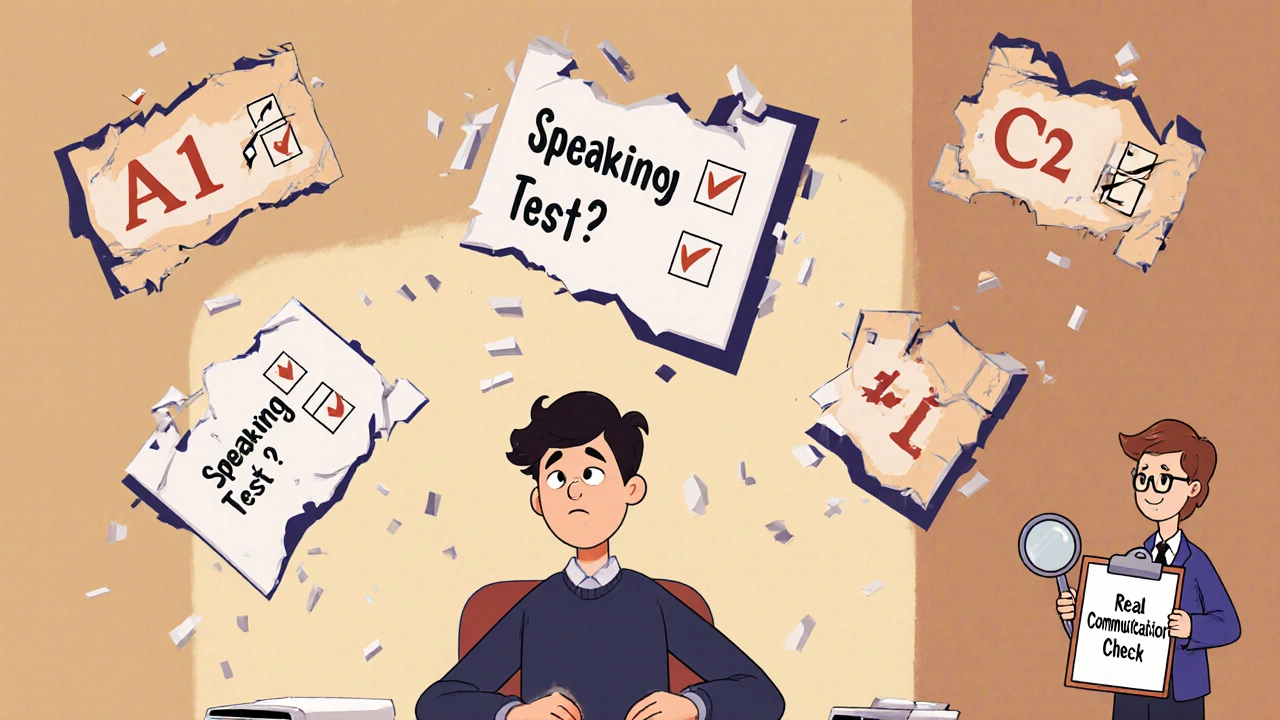
Placement Tests for Language Courses: How to Accurately Assess CEFR Levels
Learn how CEFR placement tests accurately determine your language level and avoid the common mistakes that lead to wrong class placements. Find out what makes a good test-and what to avoid.