Learner Engagement: How to Keep Students Motivated and Active in Online Courses
When we talk about learner engagement, the level of attention, participation, and emotional investment students show in their learning experience. Also known as student engagement, it’s what separates courses that get finished from those that gather dust in someone’s dashboard. You can have the best content in the world, but if learners aren’t showing up, clicking, or applying what they learn, it doesn’t matter. Real engagement isn’t measured by logins—it’s measured by action: completing quizzes, joining discussions, sticking with challenges, and coming back for more.
That’s why gamification in learning, using game-like elements like badges, points, and leaderboards to drive motivation works so well. It’s not about making learning feel like a game—it’s about giving learners clear progress signals, small wins, and recognition they actually care about. Studies show learners who earn badges or climb leaderboards stick around 40% longer. And when you combine that with course cohorts, groups of learners who start and progress through a course together, creating accountability and community, the results are even stronger. People don’t quit when they feel like they’re part of something. They quit when they feel alone.
But engagement doesn’t come from flashy tricks alone. It comes from design that respects how people actually learn: short bursts of content, clear goals, immediate feedback, and opportunities to do something real. That’s why interactive puzzles education, using escape rooms, challenges, and problem-solving tasks to turn passive content into active learning is growing fast. It’s not about entertainment—it’s about forcing learners to think, apply, and remember. Same with office hours that aren’t just Q&A sessions but structured coaching rotations or themed deep dives. Engagement happens when learners feel seen, heard, and supported—not just delivered to.
And let’s be honest: most online courses fail because they treat learners like data points, not humans. The ones that work? They build trust. They create space for mistakes. They give learners a reason to care beyond the certificate. That’s what you’ll find in the posts below: real strategies that actually move the needle. From how to use micro-learning for busy people, to designing community guidelines that keep things safe and respectful, to turning GitHub portfolios into learning assets—you’ll see exactly what works for keeping learners hooked, involved, and finally, successful.

Self-Paced vs Cohort-Based Courses: Which Online Model Wins?
Compare self-paced vs cohort-based online courses to find the best delivery model for your content. Learn about scalability, completion rates, and hybrid strategies.
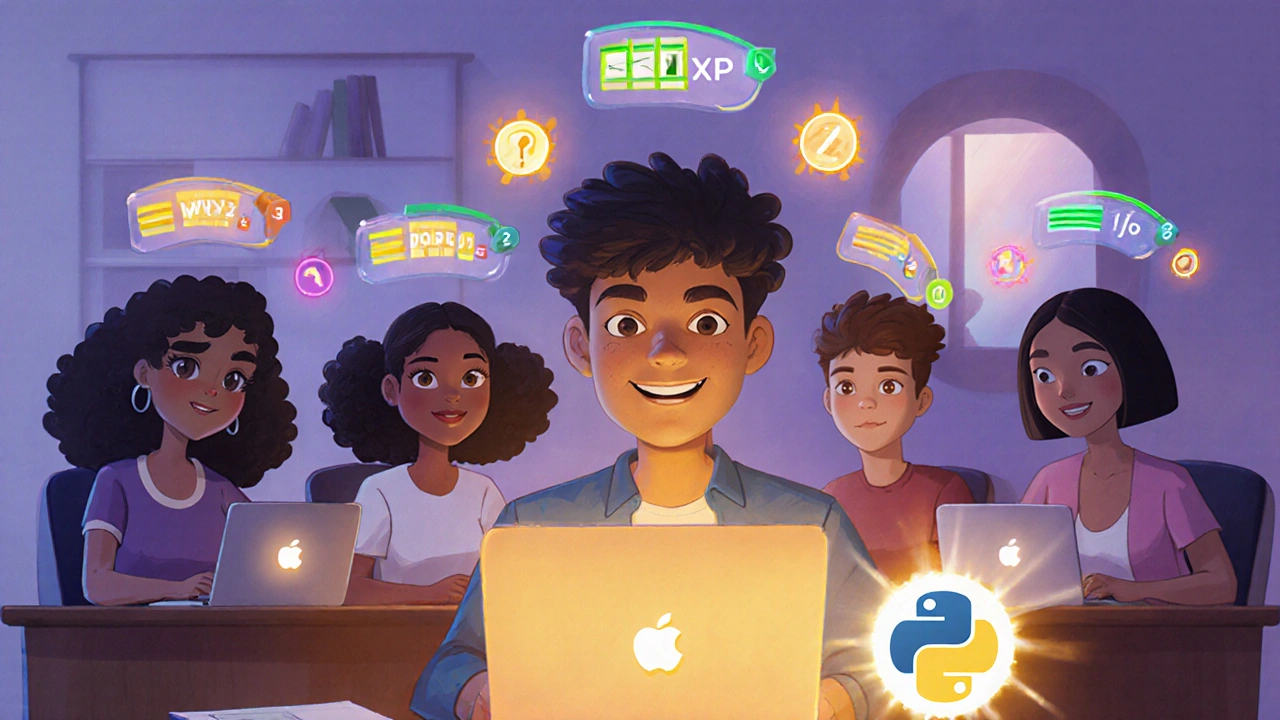
How Gamification Boosts Online Course Completion Rates
Gamification turns online courses from chores into engaging experiences. Learn how streaks, badges, and progress tracking boost completion rates by up to 60%-backed by real data and proven strategies.