Learning Customization: Tailor Your Course Experience for Real Results
When you think about learning customization, the process of adjusting educational content, pace, and format to match how an individual learns best. Also known as personalized learning, it’s not just about picking your favorite video length or font size—it’s about building a learning path that actually sticks because it works with your life, not against it. Most online courses treat everyone the same: same videos, same deadlines, same quizzes. But real learning doesn’t happen in a factory line. It happens when the material fits your schedule, your goals, and even your distractions. That’s where learning customization turns passive scrolling into real progress.
Learning customization isn’t magic—it’s built from a few key pieces working together. It requires flexible pacing, so you can pause and replay without feeling behind. It depends on adaptive content, where the next lesson changes based on how you did on the last one. And it relies on learner control, letting you skip what you know, dive deeper where you struggle, and choose how you show you’ve learned it—whether that’s a quiz, a project, or a voice note. You’ll find this in posts about gamification, using game-like elements like streaks and badges to boost motivation and completion, where progress tracking isn’t just a chart—it’s a tool that adapts to your rhythm. You’ll see it in instructional A/B testing, testing different versions of course content to see what helps learners understand and remember best, where a 10-minute video might work for one person but a 3-minute interactive module works better for another. And you’ll find it in accessible education, designing learning materials so everyone, regardless of ability, can fully engage, where customization isn’t optional—it’s the law and the right thing to do.
What you’ll find below isn’t a list of theory. It’s a collection of real, tested ways people are making learning work for them. From how to design courses that adjust to your skill level, to how to use data to spot when someone’s falling behind and how to bring them back—every post here is about making learning feel personal, not forced. You’ll learn how to build systems that respond to real behavior, not just assumptions. Whether you’re designing a course, taking one, or just trying to get better at learning on your own, this is where practical customization starts.
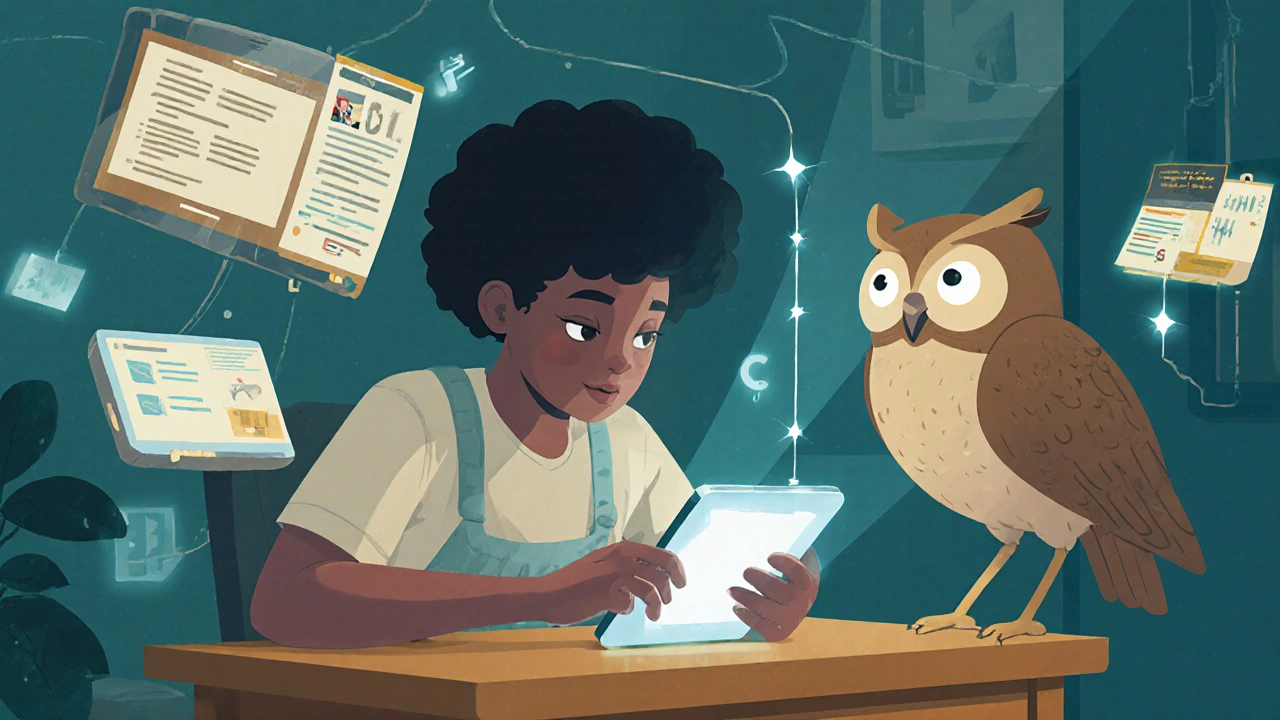
Personalization vs Customization in Online Learning: What Actually Works
Personalization and customization in online learning are often confused, but they work in completely different ways. Learn how adaptive systems learn from your behavior versus how manual settings affect your progress - and which one actually helps you learn better.