Podcast Setup: Essential Gear, Software, and Studio Tips for Beginners
When you start a podcast setup, the collection of hardware, software, and environment needed to record and publish audio content. Also known as home studio setup, it doesn’t need to be fancy—it just needs to work. Too many people think they need $1,000 gear to sound professional. That’s not true. You can start with under $200 and still sound clear, confident, and credible. The real secret isn’t the gear—it’s knowing what matters and what doesn’t.
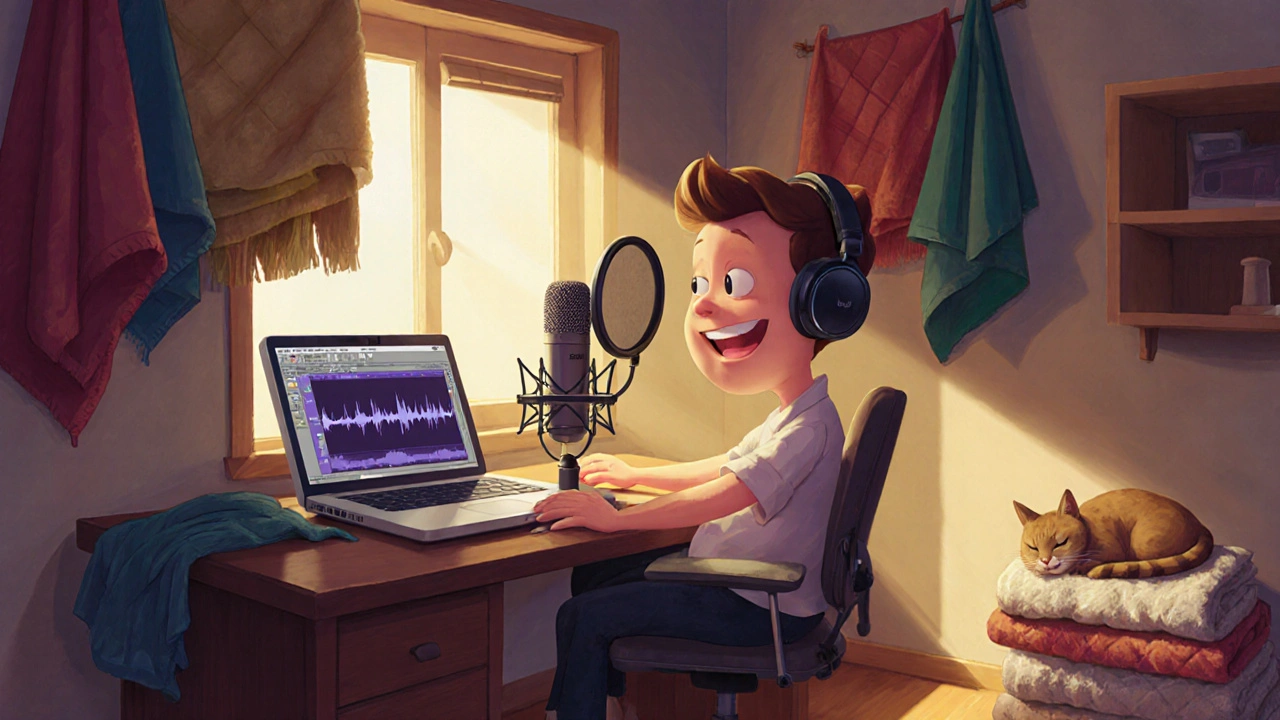
A good microphone selection, the process of choosing the right audio input device for voice recording is the foundation. USB mics like the Audio-Technica AT2020 or Shure MV7 are popular for a reason: they plug straight into your laptop and sound great out of the box. Don’t waste money on fancy XLR setups unless you’re ready to learn about audio interfaces and preamps. Same goes for headphones—you don’t need studio-grade cans. Any closed-back pair that blocks outside noise will do. Your room matters more than you think. A closet full of clothes, a rug on the floor, and hanging blankets can cut echo better than a $500 sound panel. Record in the quietest spot you’ve got. Turn off the AC, close the windows, and silence your phone.
Then comes audio editing software, tools used to clean, cut, and enhance recorded audio for podcast publishing. Audacity is free, powerful, and used by half the podcasters starting out. GarageBand works great on Mac. Reaper is cheap and professional-grade. You don’t need Pro Tools. Learn how to remove breaths, reduce background hum, and normalize volume. That’s it. No fancy reverb, no auto-tune for voices. Keep it real. And when you’re ready to publish, pick one podcast hosting, a platform that stores your audio files and distributes them to Apple, Spotify, and other directories like Buzzsprout, Anchor, or Podbean. They handle the tech so you don’t have to. Upload your file, write a short description, hit publish. Done.
What you’ll find in the posts below aren’t theory-heavy guides or gear reviews from influencers. These are real, tested setups from people who started with nothing and built something that stuck. You’ll see what mic one teacher used while recording in her kitchen, how a nurse edited her episodes on her phone during night shifts, and why one guy switched from Audacity to Reaper after six months. No fluff. No upsells. Just what works when you’re trying to get heard, not just get gear.
Podcasting and Audio Production Course for Creators: Start Your Show Right
Learn how to start a podcast with affordable gear, clean audio, and simple editing. This course-style guide covers mic setup, room acoustics, editing tips, and audience growth for new creators.