Security Monitoring: Protect Your Trading Account from Threats and Breaches
When you trade forex, stocks, or crypto, your account isn’t just a dashboard—it’s a target. Security monitoring, the continuous process of watching for suspicious activity in digital systems. Also known as cybersecurity surveillance, it’s what stands between your capital and a hacker who’s already figured out how to bypass your password. Most traders think strong passwords and two-factor authentication are enough. They’re not. Hackers don’t need your password anymore—they exploit weak API keys, unsecured devices, or even your browser session after you log in on a public Wi-Fi network. Security monitoring catches those threats before they turn into losses.
It’s not just about firewalls or antivirus software. Real security monitoring for traders includes tracking login attempts from unusual locations, detecting sudden large withdrawals, flagging changes to your linked bank details, and spotting automated bots trying to scrape your trade history. Platforms like Trading Career Academy use these same methods to protect student accounts during live simulations. Fraud detection, a system that identifies abnormal behavior patterns using algorithms is built into the backend of every trusted trading platform. But you still need to know what to look for—like a login from a country you’ve never visited, or a trade placed at 3 a.m. when you’re asleep.
Security monitoring also ties directly to risk management, the practice of identifying, assessing, and mitigating potential financial losses. If your account gets breached, no amount of technical analysis or strategy will save you. That’s why top traders treat security like their edge—something they check daily, not just when something goes wrong. You wouldn’t leave your front door unlocked because you think you’re safe in a quiet neighborhood. Don’t do the same with your trading account.
You’ll find posts here that show you how to set up real-time alerts for your brokerage, how to audit your connected apps, and why using a dedicated device for trading cuts your risk by half. We cover what to do after a breach, how to recognize phishing emails that look like broker notifications, and why most ‘free’ trading tools are security nightmares. These aren’t theory pieces—they’re checklists, step-by-step guides, and real stories from traders who lost everything because they ignored the basics.
Security monitoring isn’t glamorous. It doesn’t make you money directly. But without it, every profit you make is temporary. The posts below give you the exact tools, settings, and habits that keep your account safe—so you can focus on what matters: making smart trades, not worrying about who’s watching your screen.
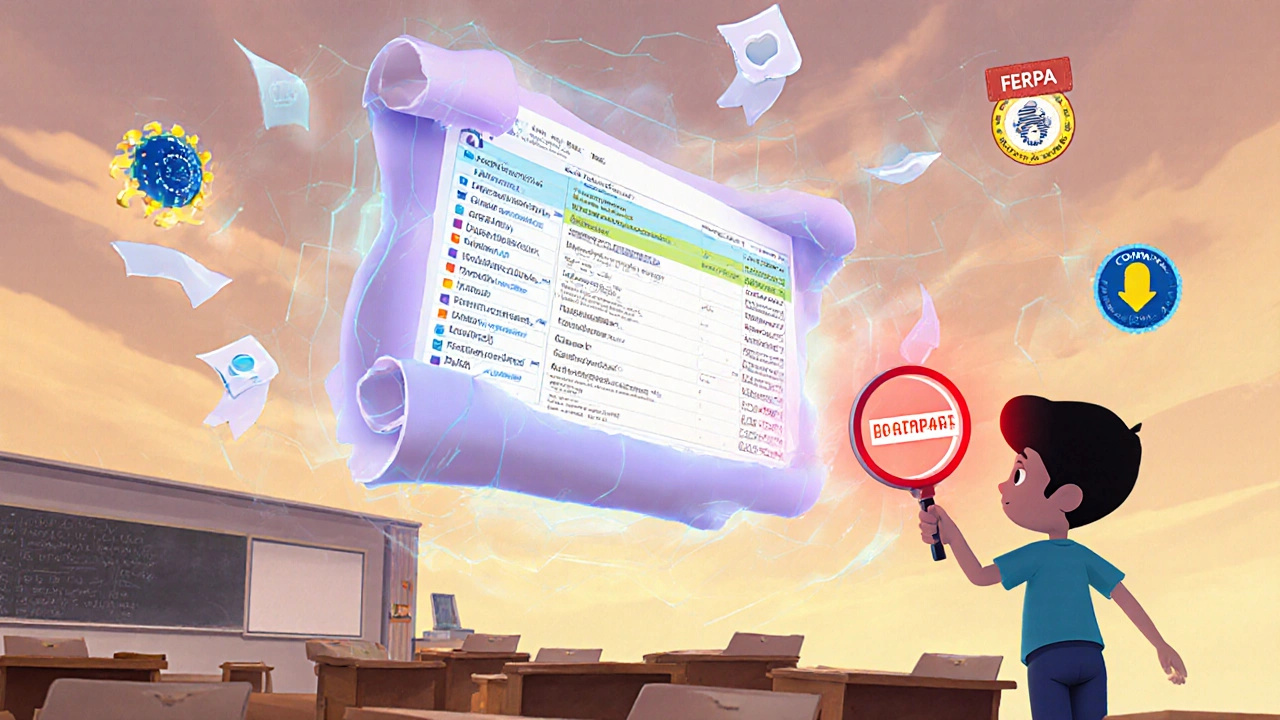
Security Logging and SIEM Integration for Learning Systems
Security logging and SIEM integration are essential for protecting student data in learning systems. Without them, breaches go unnoticed and compliance fails. Learn how to set up basic logging and alerts to prevent disasters.