Smart Contract Vulnerabilities: How to Spot and Avoid Costly Crypto Mistakes
When you interact with a smart contract, a self-executing code on a blockchain that runs without human intervention. Also known as on-chain agreements, it automates transactions like trading, lending, or staking. But if that code has flaws, it doesn’t just glitch—it gets hacked. In 2024 alone, over $1.2 billion was stolen from DeFi protocols because of preventable smart contract vulnerabilities. This isn’t theoretical. Real people lost life savings because a single line of code was written wrong.
These flaws aren’t always obvious. A reentrancy attack, a trick where a malicious contract calls back into the original contract before the first transaction finishes can drain funds before the system even realizes it’s being robbed. Then there’s integer overflow, when a number gets too big and wraps around to zero, tricking the contract into giving away more than it should. Or front-running, where traders see your pending trade and jump ahead of it to profit. These aren’t sci-fi scenarios—they’re daily risks in Ethereum, Solana, and other blockchains where smart contracts power everything from DEXs to NFT marketplaces.
Most users think if it’s on a blockchain, it’s safe. But the chain itself doesn’t protect bad code. Your wallet doesn’t care if the contract was audited by a team with fancy logos. It only cares if the logic works. That’s why understanding these vulnerabilities isn’t just for developers—it’s for every trader, investor, and DeFi user. You don’t need to write code to protect yourself. You just need to know what to look for before you click "Approve" or "Deposit".
Below, you’ll find real-world breakdowns of how these exploits happen, what signs to watch for, and how top traders avoid them—not by guessing, but by using the same checks professionals do. Whether you’re holding ETH, trading on Uniswap, or staking in a yield farm, these posts give you the practical filters to spot danger before it’s too late.
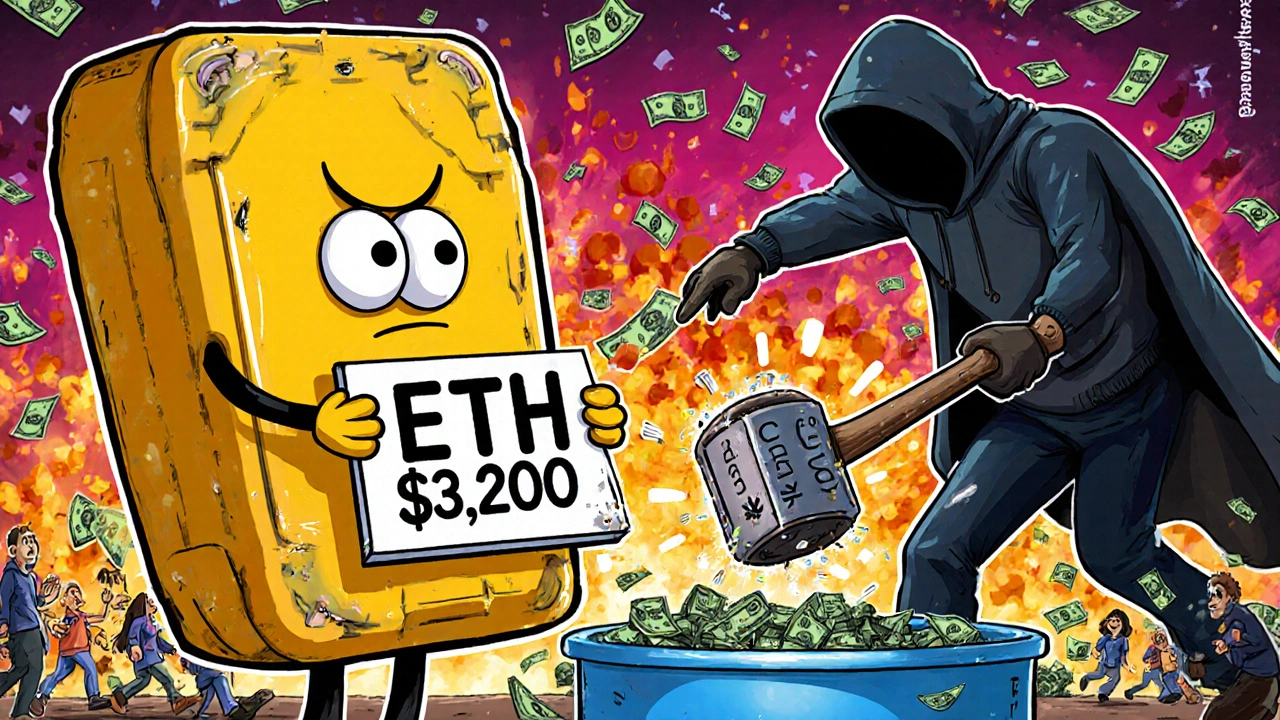
Oracle Security in DeFi: How to Prevent Price Manipulation in Smart Contract Protocols
Price oracle manipulation is the leading cause of DeFi exploits, costing over $400 million in 2023. Learn how to prevent it with decentralized oracles, TWAP, circuit breakers, and proper liquidation thresholds.