Workplace Compliance: What It Really Means and Why It Matters
When we talk about workplace compliance, the set of rules and practices businesses must follow to meet legal, safety, and ethical standards. Also known as regulatory compliance, it’s not about checking boxes—it’s about protecting people and keeping operations running without costly fines or shutdowns. If you work in healthcare, manufacturing, education, or even remote customer service, compliance affects your daily routine more than you think.
It’s not just about OSHA compliance, the federal rules that require employers to provide safe working conditions and train staff on hazards. It also includes hazard communication, how companies label dangerous chemicals, share safety data sheets, and train workers to handle them. And it stretches into ethics training, the real-world lessons that help employees make the right call when no one’s watching. These aren’t separate topics—they’re parts of the same system. Skip one, and the whole structure weakens. A company can have perfect safety gear but still lose trust if employees feel pressured to cut corners. Or it can have the best ethics course in the world but still face lawsuits if it doesn’t train staff on how to report unsafe conditions.
Workplace compliance isn’t optional. The Department of Labor, the FDA, the EEOC, and state agencies all have rules. And they don’t just show up for inspections—they fine you. A single violation can cost thousands. Worse, it can cost lives. That’s why the best teams don’t treat compliance as a yearly formality—they build it into how they hire, train, and communicate every day. It’s why clear community guidelines matter in online learning spaces. Why safety training needs to be practical, not just a video you watch during onboarding. Why FERPA compliance matters even if you’re not in education—because data privacy is part of modern workplace ethics.
You’ll find real examples here: how to write a Terms of Service that actually protects your course, how to set up content moderation that keeps learning safe without being oppressive, and how to design training that sticks—not just meets a requirement. These aren’t theoretical guides. They’re tools used by teams who’ve been fined, sued, or lost trust—and rebuilt from the ground up. Whether you’re running a small team, managing an online course platform, or just trying to do the right thing at work, this collection gives you what you need: clear, no-fluff steps to get compliance right.
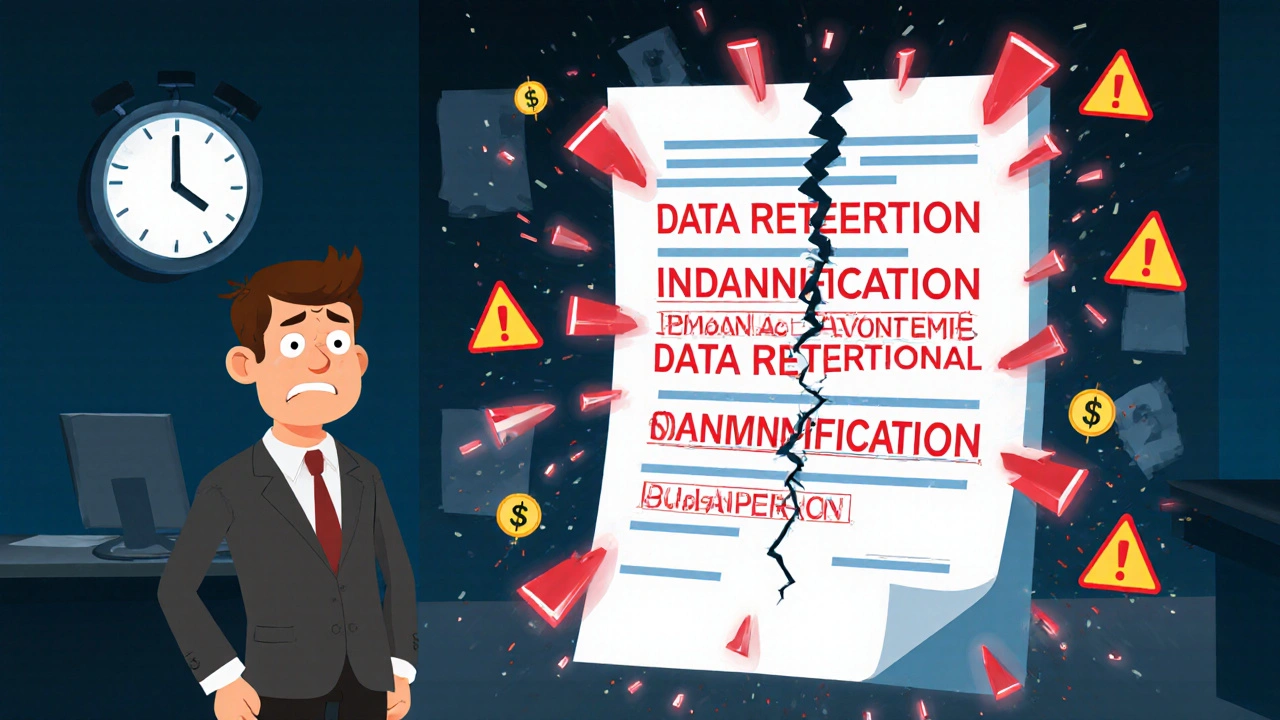
Legal Compliance and Contract Training for Professionals: What You Need to Know Today
Legal compliance and contract training helps professionals avoid costly mistakes, lawsuits, and career damage. Learn what contracts actually require, how compliance protects you, and where to get practical training that sticks.