Building Peer Tutoring Platforms: Matching, Training, and Quality Assurance
 Jul, 9 2026
Imagine a student struggling with calculus at 10 PM on a Tuesday. They don't need a generic video lecture; they need someone who understands their specific confusion, speaks their language, and can explain the concept in real-time. This is the promise of peer tutoring platforms, which are digital ecosystems that connect students for collaborative learning, leveraging shared academic backgrounds to facilitate knowledge transfer. Unlike traditional tutoring services that rely on professional instructors, these platforms tap into the vast resource of high-performing peers. However, building a successful platform isn't just about creating a chat room. It requires a sophisticated triad of precise matching, rigorous training, and relentless quality assurance.
The Science of Smart Matching
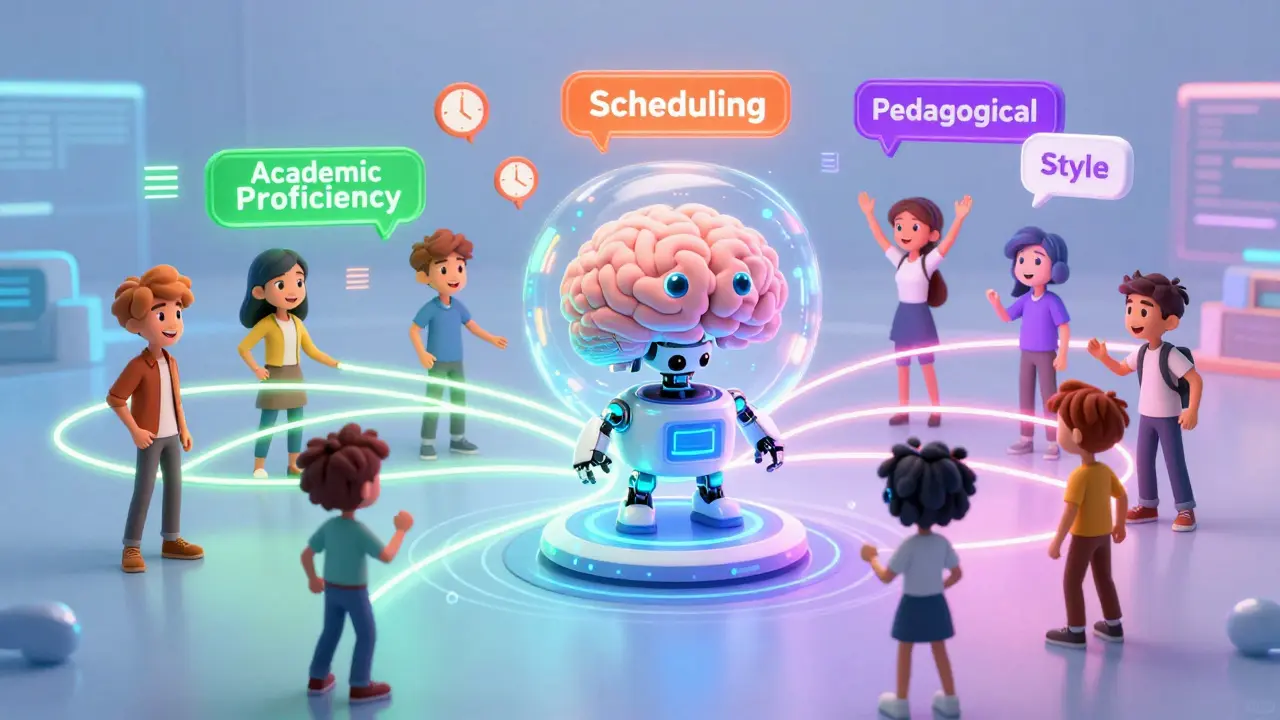
The lifeblood of any peer tutoring platform is its matching algorithm. If you pair a student who needs help with organic chemistry with a tutor who excels in physics but struggles with stereochemistry, the session fails. Bad matches kill retention faster than anything else. The goal is to minimize friction and maximize relevance from the very first interaction.
Effective matching goes beyond simple subject tags. You need to consider multiple dimensions. First, there is academic alignment. The tutor must have demonstrated mastery in the specific topic, often verified through recent course grades or certification tests. Second, there is scheduling compatibility. A platform that forces tutors to be available only during peak hours will burn them out quickly. Third, and perhaps most importantly, is pedagogical style. Some learners thrive with Socratic questioning, while others need direct instruction and step-by-step guidance.
| Dimension | Data Points Required | Impact on Success |
|---|---|---|
| Academic Proficiency | Recent GPA, Course Grades, Certification Scores | High - Ensures content accuracy |
| Scheduling Availability | Time Zone, Weekly Hours, Response Time | Medium - Reduces cancellation rates |
| Pedagogical Style | Tutor Assessment Results, Learner Preference Survey | High - Increases engagement and comprehension |
| Demographic/Cultural Fit | Language, Background, Major | Medium - Builds trust and rapport |
To implement this, many platforms use a hybrid approach. Initial matches are automated using weighted algorithms that prioritize subject expertise and availability. Over time, the system learns from user feedback. If a student consistently rates "explainer-style" tutors higher, the algorithm adjusts future recommendations accordingly. This dynamic adjustment is crucial for long-term satisfaction.
Training Tutors: From Knowledgeable to Effective
Being good at math doesn't make you good at teaching math. This is the biggest misconception in peer tutoring. Many platforms recruit top students based solely on their GPAs, assuming that academic success translates directly to teaching ability. It rarely does without intervention. Without proper training, even the smartest tutors can overwhelm students, talk down to them, or simply give answers instead of fostering understanding.
A robust training program should cover three core areas: communication skills, pedagogical techniques, and platform mechanics. Communication training focuses on active listening and empathy. Tutors learn how to ask open-ended questions like "What do you think happens if we change this variable?" rather than saying "You need to do this." Pedagogical training introduces concepts like scaffolding-breaking complex problems into smaller, manageable steps-and the zone of proximal development, where learning occurs when challenges are slightly above the student's current ability.
Platform mechanics training ensures tutors know how to use the tools effectively. This includes mastering the virtual whiteboard, managing session recordings for review, and using built-in resources like formula sheets or practice problem banks. For example, a tutor might be trained to use the platform's annotation features to highlight key steps in a solution, making it easier for the student to follow along visually.
Ongoing support is equally important. Regular workshops, peer observation sessions, and access to a mentorship network help tutors refine their skills over time. This continuous improvement cycle ensures that the quality of tutoring remains high as new tutors join the platform.
Quality Assurance: Protecting the Learning Experience
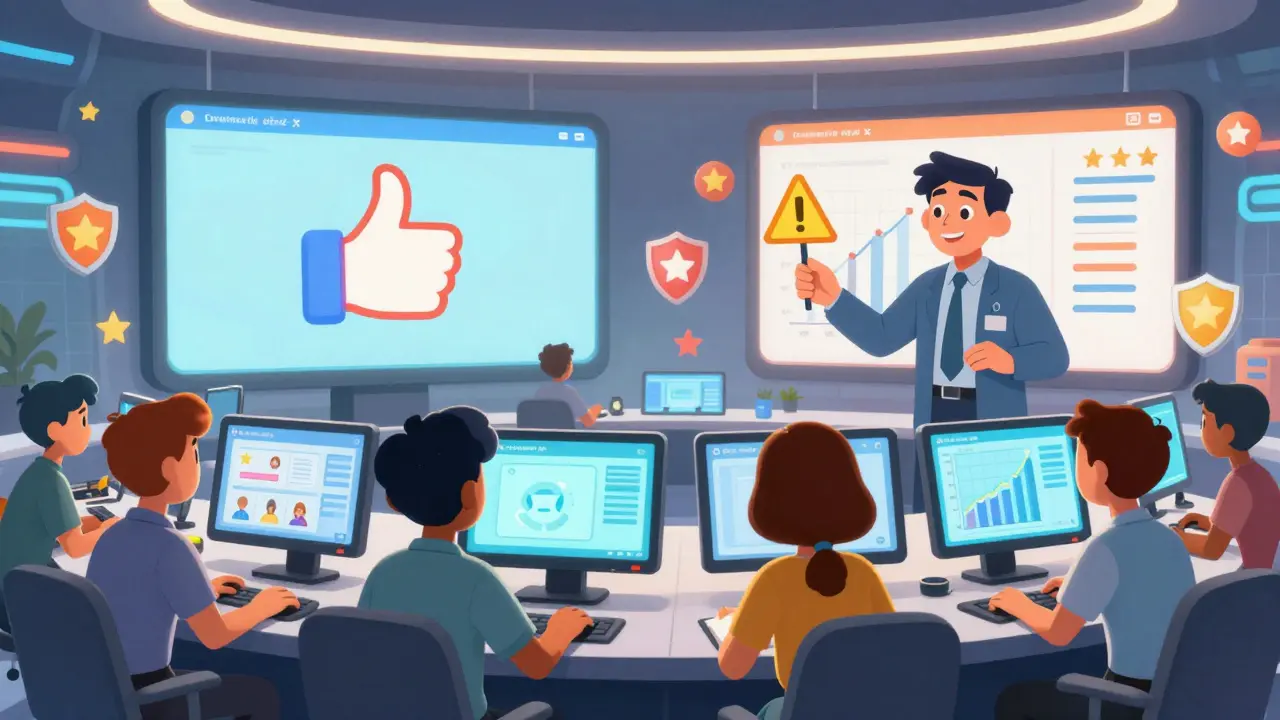
Quality assurance (QA) in peer tutoring is not just about catching bad actors; it's about maintaining a consistent standard of excellence across thousands of interactions. Without effective QA, the platform risks becoming a wild west of unverified advice and inconsistent teaching methods. Students lose trust quickly if they feel they're getting subpar help.
QA strategies typically fall into three categories: proactive monitoring, reactive feedback, and periodic audits. Proactive monitoring involves using AI-driven tools to analyze session transcripts or recordings for red flags. These might include overly brief responses, lack of engagement, or inappropriate language. While privacy concerns are significant, anonymized analysis can provide valuable insights into tutor performance trends.
Reactive feedback relies heavily on post-session surveys. After each tutoring session, students are asked to rate their experience on various dimensions: clarity, helpfulness, professionalism, and overall satisfaction. Low ratings trigger automatic reviews by QA specialists. These specialists might watch recorded sessions or read transcripts to determine if the issue was a one-off mistake or a systemic problem with the tutor's approach.
Periodic audits involve randomly selecting sessions for detailed evaluation against a standardized rubric. This rubric might assess factors like whether the tutor encouraged independent thinking, provided accurate information, and maintained a supportive tone. Tutors who consistently score well receive recognition or incentives, while those who struggle are offered additional training or coaching.
Technological Enablers and Challenges
The technology underpinning peer tutoring platforms plays a critical role in facilitating effective learning. Key components include reliable video conferencing, interactive whiteboards, screen sharing capabilities, and integrated messaging systems. These tools must be intuitive and accessible across different devices and internet speeds.
One major challenge is ensuring data privacy and security. Since these platforms handle sensitive student information and potentially copyrighted educational materials, compliance with regulations like FERPA (Family Educational Rights and Privacy Act) in the US or GDPR in Europe is non-negotiable. Platforms must implement robust encryption, secure data storage, and clear consent mechanisms.
Another challenge is scalability. As the platform grows, maintaining personalized matching and high-quality training becomes more difficult. Automation helps, but human oversight remains essential. Balancing efficiency with personalization is an ongoing tightrope walk for platform operators.
Measuring Impact and Continuous Improvement
How do you know if your peer tutoring platform is actually working? You need to measure impact beyond just satisfaction scores. Look at academic outcomes: Are students' grades improving? Are they passing courses they previously failed? Track retention rates: Are students returning for more sessions? Monitor tutor turnover: Are tutors staying engaged and developing their skills?
Collecting and analyzing this data allows for continuous improvement. If you notice that students in certain subjects are not seeing grade improvements, you might investigate whether the matching algorithm is flawed or if the training for those specific subjects needs enhancement. Data-driven decision-making ensures that the platform evolves to meet the changing needs of its users.
Ultimately, a successful peer tutoring platform creates a virtuous cycle. Better matching leads to better sessions, which leads to higher satisfaction and improved academic outcomes. This attracts more students and retains more tutors, providing more data to further refine the matching and training processes. It's a complex ecosystem, but when done right, it transforms how students access support and achieve their academic goals.
What makes a peer tutoring platform different from a traditional tutoring service?
Traditional tutoring services typically employ professional educators or certified tutors who charge hourly rates. Peer tutoring platforms connect students with fellow students who have recently mastered the material. This often results in lower costs, greater relatability, and explanations that align closely with the learner's current curriculum and perspective.
How do peer tutoring platforms ensure tutor quality?
Platforms use a combination of initial screening (verifying academic credentials), mandatory training programs focused on teaching skills, and ongoing quality assurance measures. These include post-session student feedback, periodic audits of recorded sessions, and sometimes AI-assisted monitoring for engagement and appropriateness.
Is peer tutoring effective for all subjects?
Peer tutoring is highly effective for STEM subjects like math and science, where step-by-step problem-solving is common. It also works well for humanities and languages, where discussion and interpretation are key. However, for highly specialized or advanced graduate-level topics, finding qualified peers might be challenging, and professional tutoring may still be necessary.
What technologies are essential for a peer tutoring platform?
Essential technologies include stable video conferencing, interactive digital whiteboards for writing equations or diagrams, screen sharing for reviewing documents, and secure messaging. Advanced platforms also incorporate AI for intelligent matching, automated scheduling, and analytics to track progress and quality.
How can I get started with implementing a peer tutoring program?
Start by defining your target audience and specific learning needs. Recruit a small group of enthusiastic, high-performing students as initial tutors. Invest in basic training focused on communication and active listening. Use a simple matching process initially, perhaps manual, and gather extensive feedback. Gradually introduce technology and automate processes as you scale and identify what works best for your community.