Instructional Design: Build Courses That Stick and Keep Learners Engaged
When you think of instructional design, the systematic process of creating effective learning experiences. Also known as learning design, it’s what separates courses that people forget from ones they remember and use. It’s not about making slides pretty or recording long videos. It’s about understanding how people learn—and then building something that actually works in their real life.
Good instructional design requires micro-learning that fits into busy days, learning engagement that doesn’t rely on gimmicks, and course development that ties every module to a real skill. Think about it: why do some online courses feel like a chore, while others make you want to keep going? It’s not the teacher. It’s the design. The way content is chunked, the feedback loops built in, the way progress is shown—all of that is instructional design in action.
You’ll find real examples in the posts below: how escape rooms turn passive learners into problem-solvers, how office hours structured as coaching rotations boost participation, and how glossaries and reference materials reduce confusion before it starts. These aren’t random tips—they’re proven tools from people who’ve tested what works. You’ll also see how gamification, proctored exams, and even SOC 2 compliance tie back to one thing: designing for trust, safety, and real learning. Whether you’re building a trading course, a corporate training module, or a language app, the same principles apply. No fluff. No theory without practice. Just what actually keeps learners coming back.
What follows isn’t a list of ideas. It’s a collection of solutions—from people who’ve been in the trenches, fixed broken courses, and rebuilt them from the ground up. You’ll walk away knowing not just what instructional design is, but how to use it to make your next course impossible to ignore.

Module Design for Online Courses: Breaking Content Into Digestible Lessons
Stop dumping long lectures into your online courses. Learn how to break content into digestible modules using microlearning principles, the 5-minute rule, and structured design frameworks that boost completion rates.

User Story Development for Online Course Design
Discover how user story development transforms online course design by focusing on learner goals instead of content lists. Learn to map stories to modules, prioritize features, and boost completion rates.

Preventing and Addressing Academic Dishonesty Online: A Practical Guide for Instructors
Discover practical strategies to prevent and address academic dishonesty in online courses. Learn how to redesign assessments, use tech tools wisely, and build a culture of integrity.

How to Build Engagement in Self-Paced Online Courses
Struggling with low completion rates? Learn practical strategies to boost engagement in self-paced online courses. Discover how micro-learning, active interactivity, and social presence keep learners motivated and returning.

Using Infographics Effectively in Online Course Lessons: A Practical Guide
Learn how to use infographics to boost engagement and retention in online courses. Discover design tips, integration strategies, and common mistakes to avoid.

How to Create Engaging Online Course Content That Converts: A Complete Guide
Learn how to create engaging online course content that converts browsers into buyers. Discover strategies for structuring lessons, improving production value, and boosting student retention.
Multimedia Learning Principles Every Course Designer Should Use
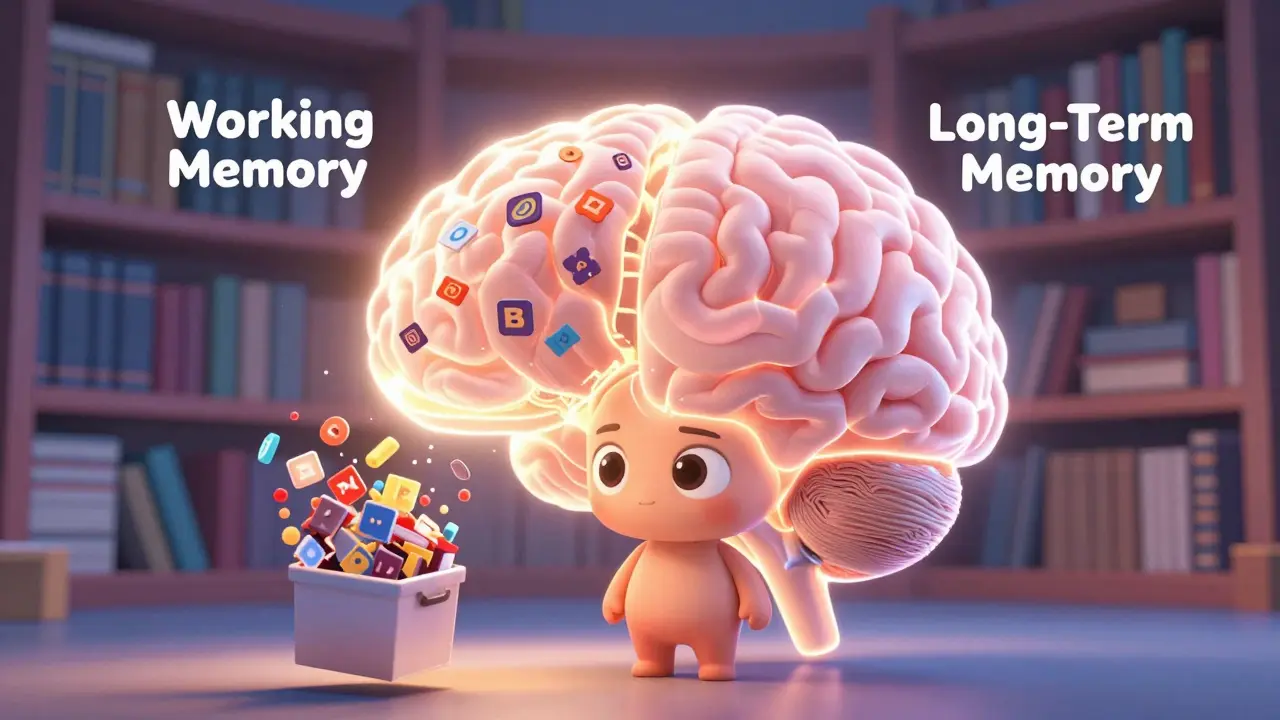
Master multimedia learning principles to boost course retention. Learn how to reduce cognitive load using coherence, signaling, and modality strategies for effective instructional design.

How to Combine Learning Methods for Maximum Training Effectiveness
Discover how to boost training effectiveness by blending multiple learning methods. Learn to combine e-learning, workshops, and coaching for better retention and real-world application.

Boosting Course Completion Rates: A Practical Guide to Learner Retention
Learn how to analyze and increase your course completion rates. Discover psychological triggers, micro-learning strategies, and data-driven tips to stop learner dropout.

Course Playbooks and SOPs: How to Build Step-by-Step Knowledge Guides
Learn how to transform complex expertise into actionable course playbooks and SOPs. Move beyond simple videos to create repeatable, step-by-step guides for your students.

Iterative Design for Courses: How to Test, Get Feedback, and Improve Your Learning Content
Stop guessing and start improving. Learn how to use iterative design, pilot testing, and real-world feedback to build courses that actually work for students.

Gamification in Instructional Design: Mechanics That Matter
Learn how to use game mechanics in instructional design to boost learner engagement. Move beyond points and badges to create a high-impact, psychological learning experience.
- 1
- 2