Diversity and Inclusion in Course Communities: Practical Steps for Educators
 Jun, 8 2026
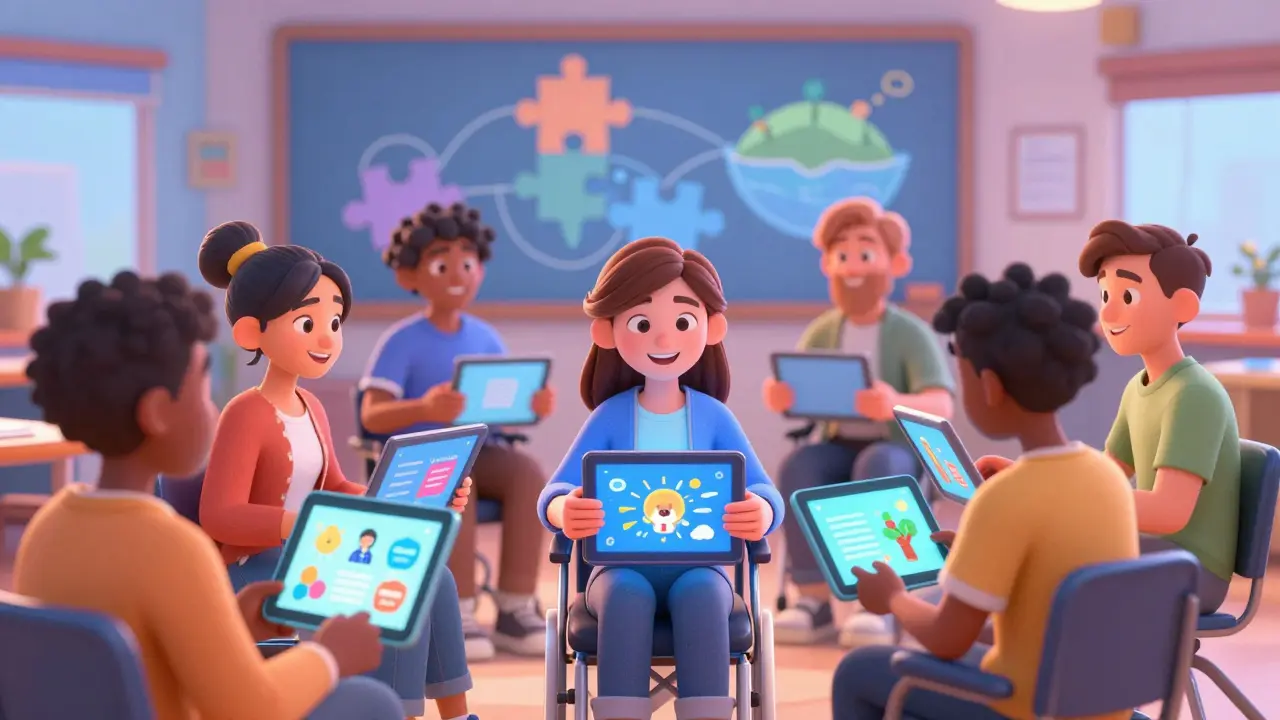
Imagine logging into a discussion forum for your favorite online course. You post a thoughtful question, but the responses feel dismissive. Or worse, you notice that the examples used in the lectures only reflect one specific cultural background, leaving you feeling invisible. This is not just an isolated incident; it is a symptom of a broader issue in digital education. Building a truly diverse and inclusive course community is a group of learners and educators interacting within a structured educational environment to share knowledge and support each other's growth requires more than just good intentions. It demands deliberate, practical action.
In 2026, with over half of all higher education students engaging in some form of online or hybrid learning, the pressure is on educators to create spaces where everyone belongs. But how do you move from abstract concepts of diversity to concrete steps that improve daily interactions? The answer lies in rethinking how we design curriculum, manage discussions, and foster peer-to-peer connections.
Why Diversity Matters in Digital Learning Spaces
Diversity is not just a buzzword thrown around in university mission statements. In a learning platform is software that facilitates the delivery, management, and tracking of educational content and learner interactions, diversity directly impacts cognitive outcomes. When students encounter perspectives different from their own, they are forced to challenge assumptions, leading to deeper critical thinking. Research from the National Academy of Sciences suggests that diverse groups solve problems faster than homogeneous ones because they bring a wider array of heuristics and viewpoints to the table.
However, diversity without inclusion is just noise. Inclusion is the engine that makes diversity work. If a student from a non-native English-speaking country feels too intimidated to speak up, or if a neurodivergent learner finds the rapid-fire chat rooms overwhelming, the potential benefits of diversity are lost. Your goal as an educator or community manager is to ensure that every voice has the opportunity to be heard and valued.
Step 1: Audit Your Curriculum for Hidden Biases
The first step in building an inclusive community starts long before the first student logs in. It begins with the material itself. Many traditional curricula suffer from "defaultism," where the default perspective is white, male, and Western. This creates a barrier for students who do not see themselves reflected in the content.
To fix this, conduct a thorough audit of your reading lists, case studies, and video examples. Are you only citing authors from Ivy League universities? Do your business case studies only feature Silicon Valley startups? Intentionally diversify these sources. Include scholars from the Global South, women in STEM, and indigenous knowledge keepers. For example, if you are teaching marketing, include case studies from emerging markets in Africa or Southeast Asia alongside traditional US examples. This signals to students that their backgrounds and experiences are valid and relevant to the subject matter.
Step 2: Design Accessible Interaction Channels
Not everyone learns or communicates in the same way. A reliance on synchronous video calls, for instance, can exclude students in different time zones, those with social anxiety, or individuals with hearing impairments who rely on accurate captions. To build an inclusive online education is the practice of delivering educational content and facilitating learning through internet-based platforms and technologies community, you must offer multiple modes of interaction.
- Asynchronous Forums: Allow students to respond to topics at their own pace. This gives non-native speakers time to compose thoughtful responses and reduces the pressure of real-time performance.
- Small Breakout Groups: Large groups often dominate conversation. Breaking students into smaller, diverse pods encourages quieter voices to participate.
- Multimedia Options: Let students submit assignments via video, audio, or text. This accommodates different strengths and disabilities.
By providing these options, you remove structural barriers that prevent full participation. Accessibility is not a nice-to-have; it is a fundamental requirement for inclusion.
Step 3: Establish Clear Community Guidelines
Without clear rules, online spaces can quickly devolve into echo chambers or hostile environments. Ambiguity breeds conflict. You need to set explicit expectations for behavior from day one. These guidelines should go beyond generic "be nice" statements. They should address specific behaviors common in digital discourse, such as interrupting, using jargon-heavy language, or dismissing alternative viewpoints.
Create a "Community Covenant" rather than a rigid list of rules. Involve students in creating this document during the first week. Ask them what they need to feel safe and respected. When students co-create the norms, they are more likely to enforce them among peers. For instance, a guideline might state: "We assume positive intent, but we also hold each other accountable when our words cause harm." This balances empathy with accountability.

Step 4: Facilitate Structured Dialogue
Left to their own devices, students may stick to familiar cliques. As an educator, you must actively facilitate cross-cultural and cross-ideological dialogue. Use structured protocols for discussions to ensure equitable participation. One effective method is the "Think-Pair-Share" technique adapted for online settings. Students first reflect individually, then discuss with a partner, and finally share with the larger group. This structure prevents dominant personalities from hijacking the conversation.
Additionally, use prompts that require students to engage with opposing views. Instead of asking "Do you agree with X?", ask "What is the strongest argument against X, and how would you respond to it?" This forces intellectual humility and reduces polarization. It teaches students that disagreement is not a threat but an opportunity for learning.
Comparing Traditional vs. Inclusive Community Strategies
| Aspect | Traditional Approach | Inclusive Approach |
|---|---|---|
| Curriculum Content | Canonical texts, single perspective | Diverse authors, multiple global viewpoints |
| Communication Mode | Synchronous video, live chat | Mixed sync/async, multimedia submissions |
| Group Formation | Self-selected groups (often homogeneous) | Facilitator-assigned diverse teams |
| Conflict Resolution | Ignore or punish after the fact | Preventative guidelines, restorative practices |
| Assessment | Standardized tests, single format | Varied formats, portfolio-based, flexible deadlines |
Addressing Microaggressions and Bias
Even with the best guidelines, microaggressions will occur. These are subtle, often unintentional comments that marginalize certain groups. Ignoring them validates the behavior. Addressing them poorly can shut down dialogue. The key is to have a protocol for intervention. Train yourself and teaching assistants to recognize bias and respond constructively. Use the "I" statement framework: "I noticed that comment made [Student Name] uncomfortable. Can we explore why that phrasing might be exclusionary?" This focuses on the impact of the words rather than attacking the character of the speaker.
Furthermore, educate students about unconscious bias early in the course. Provide short modules on implicit bias, cultural competence, and privilege. Understanding these concepts helps students self-regulate their behavior and fosters a culture of continuous improvement.
Leveraging Technology for Equity
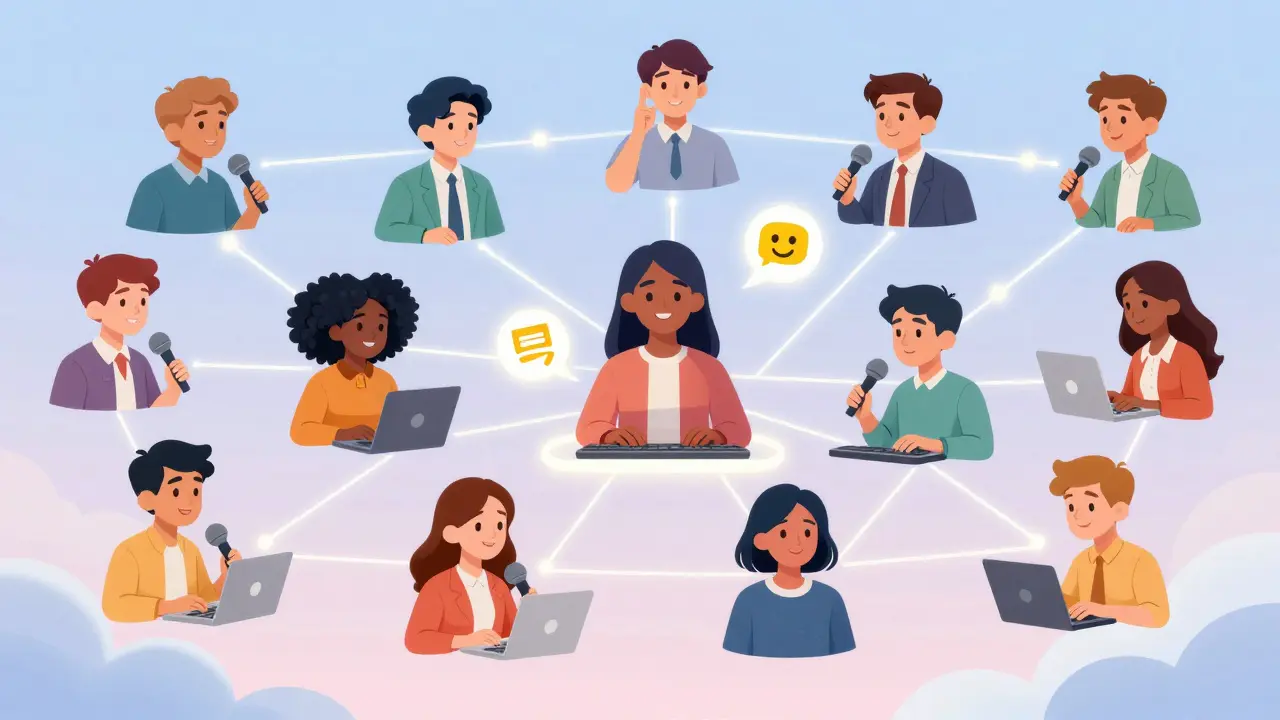
Technology can either exacerbate inequality or bridge gaps. Ensure that your chosen education technology is tools and systems designed to enhance teaching, learning, and administrative efficiency in educational institutions supports accessibility standards like WCAG 2.1. Check if your platform offers screen reader compatibility, keyboard navigation, and high-contrast modes. Beyond compliance, look for features that promote equity, such as anonymous grading to reduce bias in assessment, or AI-driven tools that suggest diverse reading materials.
Also, consider the digital divide. Not all students have high-speed internet or the latest devices. Avoid requiring heavy bandwidth activities like 4K video streaming. Provide downloadable resources and low-bandwidth alternatives. This ensures that socioeconomic status does not determine academic success.
Measuring Success and Iterating
You cannot improve what you do not measure. Regularly collect feedback on the inclusivity of your course community. Use anonymous surveys to ask students about their sense of belonging, perceived fairness, and comfort level in participating. Look for patterns in the data. Are certain groups consistently reporting lower satisfaction scores? If so, dig deeper to understand why.
Use this data to iterate. Maybe the breakout groups are too large, or perhaps the reading load is too heavy for working parents. Be willing to pivot. Inclusion is not a one-time setup; it is an ongoing process of refinement. By staying responsive to student needs, you create a dynamic community that evolves with its members.
Building Long-Term Relationships
Finally, remember that a course community extends beyond the semester. Encourage alumni networks, mentorship programs, and professional associations. When students feel part of a larger, supportive ecosystem, they are more likely to stay engaged and succeed. Highlight success stories from diverse alumni to inspire current students. Show them that there is a path forward, regardless of their background.
Creating a diverse and inclusive course community is challenging work. It requires patience, empathy, and a willingness to confront uncomfortable truths. But the rewards are immense. You cultivate critical thinkers, empathetic leaders, and resilient learners. In a world increasingly defined by complexity and interconnection, these are the skills that matter most.
How can I handle conflicts between students from different cultural backgrounds?
Address conflicts promptly and privately. Acknowledge both perspectives without taking sides initially. Use active listening techniques to help each party feel heard. Then, guide them toward a resolution based on shared community values. If necessary, involve a mediator or counselor. Document the incident and follow up to ensure no lingering resentment affects future interactions.
What are some low-cost ways to make my online course more inclusive?
Start with free resources. Use open educational resources (OER) instead of expensive textbooks. Offer flexible deadlines for assessments. Provide transcripts for all videos. Create small, diverse discussion groups. Most importantly, listen to your students and adjust your approach based on their feedback. Small changes in tone and structure can have a big impact.
How do I assess if my course materials are culturally biased?
Review your syllabus and readings. Count the number of authors by gender, race, and geographic origin. Ask colleagues from diverse backgrounds to review your materials. Look for assumptions about family structures, religious holidays, or economic stability. Replace monolithic examples with varied scenarios that reflect the diversity of your student body.
Why is asynchronous communication important for inclusion?
Asynchronous communication allows students to participate on their own schedule. This is crucial for those in different time zones, working parents, caregivers, or individuals with disabilities that make real-time interaction difficult. It also gives non-native speakers time to formulate their thoughts, leading to more meaningful contributions.
Can technology help reduce bias in grading?
Yes. Blind grading, where student names are hidden, can reduce unconscious bias related to gender, race, or name origins. Some learning management systems offer this feature automatically. Additionally, using rubrics with clear, objective criteria helps ensure that all students are evaluated against the same standards, minimizing subjective judgments.