Donation-Based Courses: How Open Education Can Pay for Itself
 Jan, 27 2026
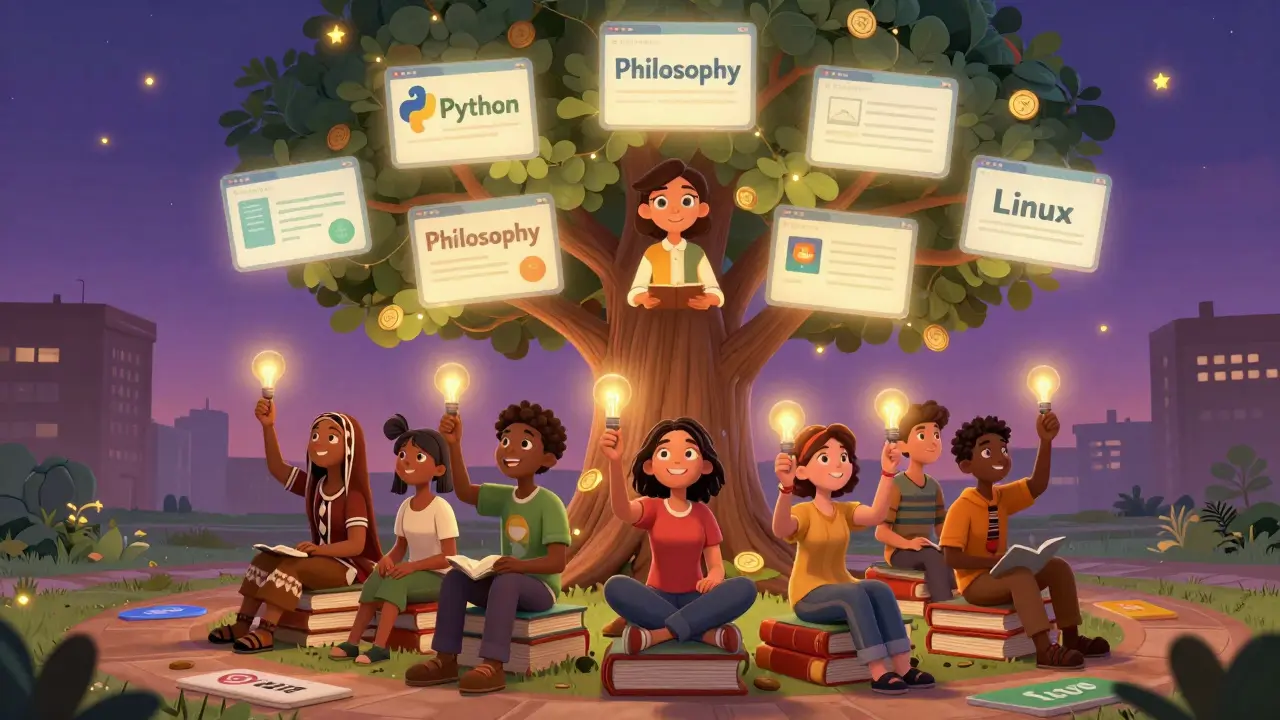
What if you could take a college-level course for free-and still help the teacher eat? That’s the quiet revolution happening in open education. More educators are ditching fixed prices and letting learners decide what to pay. No paywall. No credit card required. Just knowledge, trust, and a simple request: if this helped you, give what you can.
Why Donation-Based Courses Work
Traditional online courses charge $50 to $500. That’s fine if you’re a professional upgrading skills. But what about a single parent in rural Kenya learning web development? Or a retired teacher in Ohio exploring philosophy for fun? Fixed prices lock people out. Donation-based courses remove that barrier.
It’s not charity. It’s reciprocity. People who benefit from free content often want to give back-not because they’re guilt-tripped, but because they feel seen. A 2024 study from the University of Toronto tracked 12,000 learners on donation-based platforms. Nearly 38% gave something, even if it was just $1. The average donation? $12. That’s not a fortune, but when you have 5,000 students and 38% pay, you’re looking at $228,000 in a year. Enough to pay an instructor, host servers, and keep the course updated.
Unlike ads or subscriptions, donations don’t feel invasive. You’re not being sold to. You’re being asked: Did this matter to you? That shift in tone changes everything.
How It Actually Works
Setting up a donation-based course isn’t just posting a link to PayPal. It’s design. It’s psychology. Here’s how the best ones do it:
- Lead with value, not price. The landing page doesn’t say “$0.” It says, “This course changed my life. If it helps you, consider giving back.”
- Make giving easy. One-click options: $5, $15, $30. No forms. No sign-ups. Just a button.
- Show impact. “Last month, donations covered 3 months of server costs.” “Your $10 helped fund a scholarship for a student in Nigeria.”
- Be transparent. Post monthly updates: “Here’s how the money was spent.” People trust transparency more than promises.
- Don’t shame non-donors. The course remains fully accessible. No “premium” content. No watermarks. No hidden lessons. That builds loyalty.
MIT’s OpenCourseWare started this trend in 2001. But now, smaller creators are doing it better. Take OpenLearn from the UK’s Open University. They let learners donate to support specific courses. One instructor teaching Python for beginners raised $18,000 in six months-not because he marketed it hard, but because his students kept coming back.
Who Gives? And Why?
People who donate aren’t rich. They’re regular people who found value. A 2025 survey of 2,100 donors showed:
- 52% were students or unemployed
- 31% were working professionals who’d taken paid courses before
- 17% were retirees or volunteers
Most gave because they remembered what it felt like to struggle to learn. One donor wrote: “I couldn’t afford my coding bootcamp. This course got me my first job. I’m giving back so someone else doesn’t have to wait.”
It’s not about money. It’s about connection. When learners give, they’re not just paying-they’re saying, “I’m part of this.” That builds community. And communities last longer than courses.
Who Should Try This Model?
Not every course fits. Donation-based learning works best when:
- The content is evergreen-not tied to trends or certifications.
- The instructor has authentic authority-people trust them, not just their credentials.
- The topic is passion-driven-art, philosophy, coding, writing, gardening-not corporate compliance.
- The audience is global and diverse-not just people who can afford $100/month.
It’s terrible for courses that require accreditation. You can’t get a nursing license from a donation-based class. But for everything else? It’s powerful.
Take FreeCodeCamp. They don’t charge. They don’t even ask for donations. But they’ve raised over $2 million in gifts because learners know their impact. Same with Khan Academy. They’re nonprofit, but their model is pure donation-based: free access, voluntary support.
The Hidden Costs (And How to Cover Them)
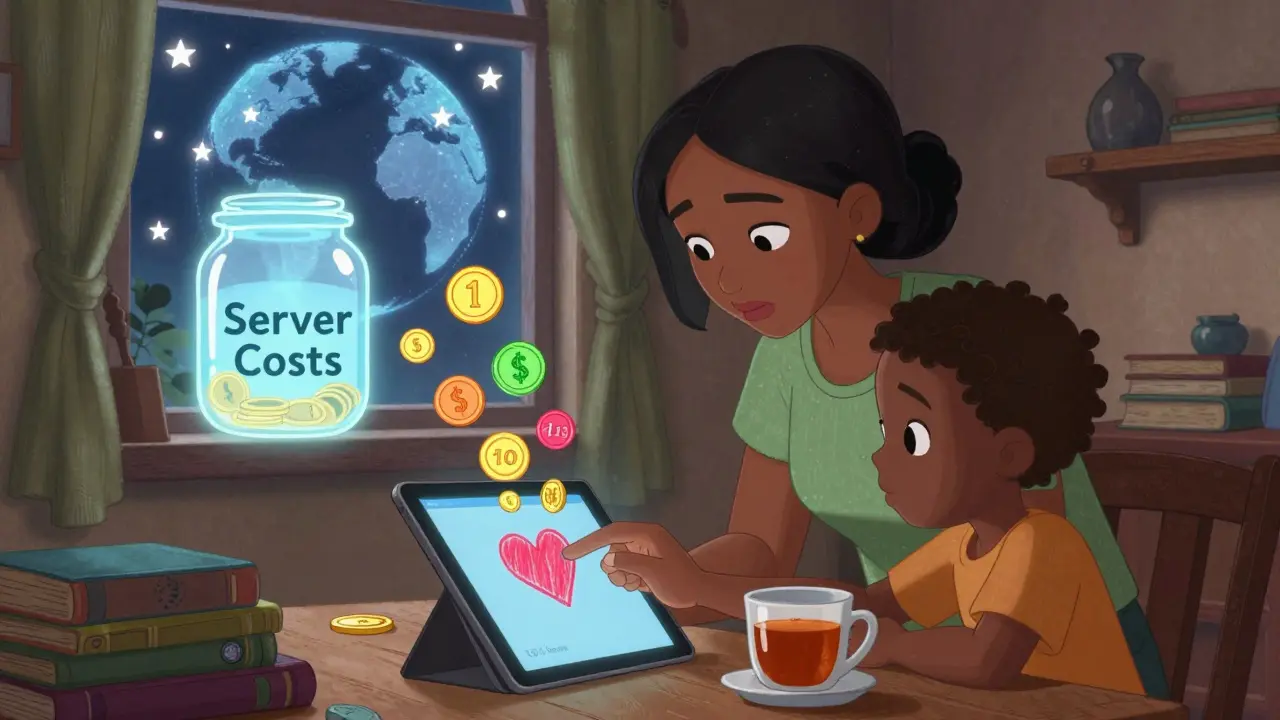
Free doesn’t mean cheap. Hosting videos, moderating forums, updating content-all cost money. Here’s how top creators handle it:
- Volunteer helpers. One instructor runs a Discord community with 800 learners. 12 of them moderate, answer questions, and translate lessons. No pay. Just pride.
- Grants and foundations. The Ford Foundation and Gates Foundation have funded open education projects that use donation models as a sustainability test.
- Corporate sponsorships. A course on data analysis might get sponsored by a tech company that hires from its alumni. No ads. Just support.
- Merch and books. Some instructors sell printed workbooks or T-shirts. The profit goes straight into course upkeep.
One instructor teaching creative writing on a donation model started selling $12 PDF guides on “How to Write a Short Story.” Sales covered his hosting fees. He didn’t upsell. He just offered a useful add-on.
Why This Beats Subscriptions and Ads
Subscriptions lock people in. Ads annoy them. Donation models? They empower.
Think about YouTube. Creators get paid based on views, not value. You watch a 10-minute tutorial on SQL, get 5 ads, and still don’t know how to write a query. Now think of a donation-based course: no ads, no pop-ups, just clean content. You finish it. You feel smarter. You give $10 because you want to keep it alive.
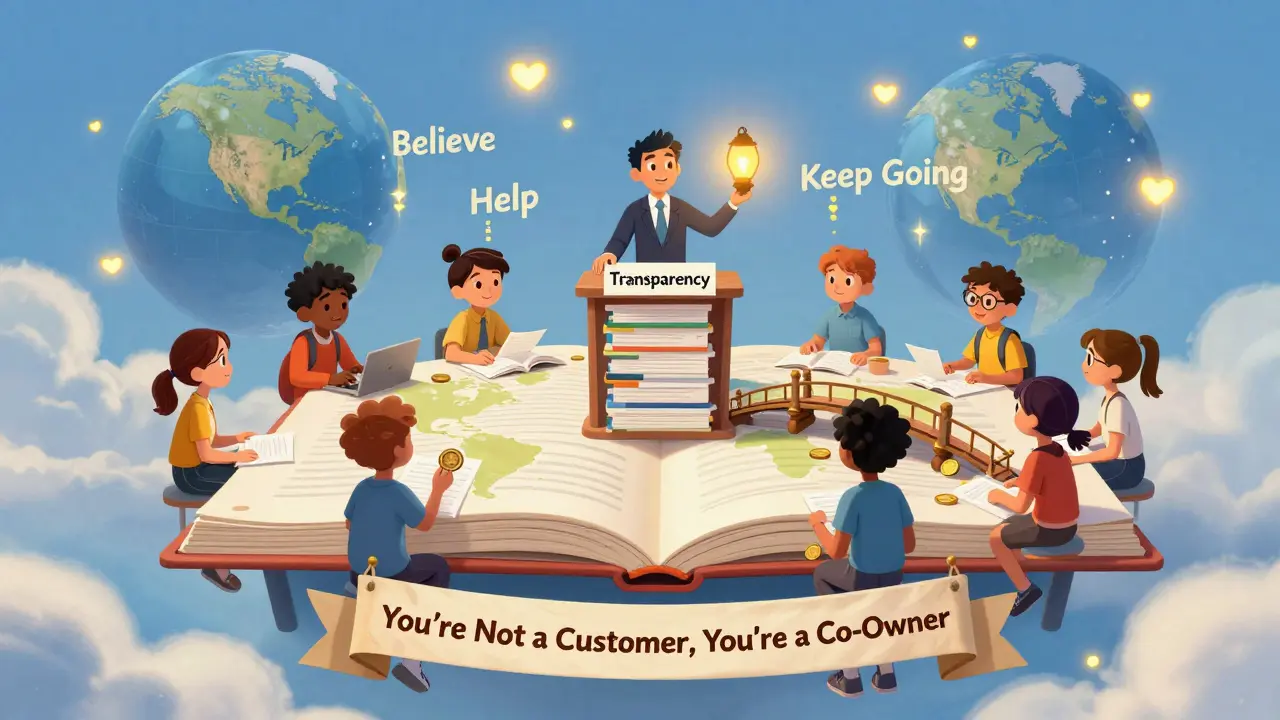
It’s the difference between being a customer and being a participant. In subscription models, you’re a user. In donation models, you’re a co-owner.
Real Examples That Are Working Right Now
Here are three live examples from early 2026:
- “Linux for Absolute Beginners” by Maria Chen - A former sysadmin from Toronto. 12,000 learners. $14,000 raised last year. She uses the money to hire a part-time translator for Spanish and Arabic subtitles.
- “Ethics in AI” by Dr. Rajiv Mehta - A philosophy professor at a public university. He posted his lectures as donation-based. 23,000 learners. $31,000 raised. He used it to fund a student research assistant.
- “Learn to Code in Rust” by Leo Tanaka - A self-taught developer. His course has no certificates. Just a simple “Donate” button. 7,000 learners. $9,200 raised. He now runs a weekly live Q&A funded by donations.
All three have one thing in common: they didn’t pitch. They didn’t beg. They just made something good-and trusted people to respond.
What Happens When You Don’t Ask for Money?
Some fear: “If I don’t charge, no one will value it.”
That’s not true. A 2023 experiment by Stanford’s Center for Open Learning gave the same course to two groups. One group saw a $49 price tag. The other saw “Pay what you can.”
Results? The free group had 3x more completions. The paid group had 12% completion. The donation group? 41%. People who paid something completed at the same rate as those who paid $49.
Value isn’t set by price. It’s set by experience.
How to Start Your Own Donation-Based Course
Ready to try it? Here’s your starter plan:
- Pick one topic you know deeply and love teaching.
- Create a 30-minute intro lesson. No fluff. Just clear, useful content.
- Host it on a simple platform like Substack, GitHub Pages, or LearnWorlds (with donation option enabled).
- Add one clear call: “If this helped you, you can give anything you feel is fair.”
- Share it in one community where your audience already hangs out-Reddit, Discord, a Facebook group.
- After 30 days, share what you raised and how you used it.
You don’t need a website. You don’t need a brand. You just need to be honest and helpful.
Is This the Future of Learning?
It’s already here. The old model-pay upfront, get a certificate, move on-is fading. Learners want depth, not diplomas. They want trust, not transactions.
Donation-based courses aren’t a loophole. They’re a philosophy: knowledge should be free, but not worthless.
When you give, you’re not just funding a course. You’re saying: I believe in this. I believe in you. Keep going.
That’s not monetization. That’s community.
Can I really make money from donation-based courses?
Yes, but not like a traditional course. You won’t get rich overnight. But many instructors earn enough to cover costs and even pay themselves part-time. One instructor teaching web design made $18,000 in a year from 5,200 learners-38% of whom donated. That’s $3.46 per learner on average. It’s sustainable, not spectacular.
What if no one donates?
It happens. But it’s rare if your content is genuinely helpful. Most people who benefit will give something-even $1. If you get zero donations after 6 months, revisit your content. Is it clear? Is it useful? Is it accessible? The issue isn’t the model-it’s the value.
Do I need a nonprofit to run this?
No. You can run a donation-based course as an individual. Use platforms like PayPal, Stripe, or Ko-fi. You don’t need a legal structure. Just be transparent about how you use the money. People care more about honesty than paperwork.
Are donation-based courses accredited?
No, and they shouldn’t be. Accreditation is for formal credentials-degrees, licenses, certifications. Donation-based courses are for learning, not paperwork. They’re perfect for skills, curiosity, and personal growth. If you need a certificate, take a paid course. If you want to learn, this model works better.
How do I promote a free course without sounding desperate?
Don’t say “free.” Say “open.” Focus on impact. Share stories: “This course helped Maria get her first job.” “Carlos used it to start his own podcast.” People don’t click on “free.” They click on “this changed someone’s life.”
rahul shrimali
January 27, 2026 AT 21:27This is the real deal no paywall no BS just knowledge and a little gratitude goes a long way
Anand Pandit
January 29, 2026 AT 11:55I run a small Python course for kids in rural India and we use this model. Last year we raised $800. Not enough to quit my day job but enough to buy 30 refurbished tablets for students who couldn't afford them. The best part? One kid sent me a hand drawn thank you card. That's worth more than any certificate.
Bhagyashri Zokarkar
January 29, 2026 AT 15:05you know what i hate about this whole donation thing its just another way for people to feel good about themselves while pretending theyre helping others i mean seriously how many people actually give anything its just a feel good illusion like those instagram influencers who post about charity and then buy another luxury bag
Bharat Patel
January 31, 2026 AT 08:20There's something deeply human about this. We used to share knowledge in villages without money changing hands. The gift economy wasn't broken, we just forgot how to practice it. This model isn't about money. It's about recognizing that learning is a shared act, not a transaction. When someone gives $5 because a course helped them find a job, they're not paying a fee. They're passing on a torch.
Eka Prabha
February 1, 2026 AT 13:28Let's be real. This is a Trojan horse for ideological indoctrination. Open education platforms are funded by Silicon Valley elites who want to dismantle credentialing systems so they can control the narrative. Who funds these donation platforms? Who owns the data? Where's the transparency? This isn't altruism-it's soft power disguised as generosity.
Rakesh Dorwal
February 2, 2026 AT 23:26India has been doing this for centuries. Gurus taught students for free and students gave what they could. Now the West is calling it innovation? We invented this. Why are they taking credit? This isn't new. It's just another case of cultural appropriation wrapped in tech jargon.
Vishal Gaur
February 3, 2026 AT 03:12okay so you say this works but what about the people who make courses on like quantum physics or advanced calculus i mean sure you can do python for beginners but when you need to teach something that actually requires a lot of research and time and resources you cant just rely on people giving $1 or $2 its just not sustainable and also the server costs alone are insane and dont even get me started on the moderation and translations and stuff its just a fantasy
Nikhil Gavhane
February 4, 2026 AT 01:26I taught a course on basic gardening to seniors in my neighborhood. No one paid anything at first. But after a few months, one woman brought me homemade jam every week. Another started translating lessons into Hindi for his wife. That’s the real currency. Not dollars. Connection.
Rajat Patil
February 5, 2026 AT 08:27This model reflects a fundamental truth: human beings are not merely consumers. When given the dignity of choice, many will respond with generosity. It is not a flaw in the system that some give nothing. It is a feature that all may receive. The integrity of the offering lies not in the amount received, but in the integrity of the offer.
Vishal Bharadwaj
February 7, 2026 AT 06:41you think this is sustainable? let me tell you something. the 38% who give? most of them are the same 500 people who donate to everything online. its a closed loop. and the rest? they just wait for someone else to pay. this is just a fancy way of saying free ride. and dont even get me started on the fact that no one is tracking who actually uses the content. its all vibes and no data
anoushka singh
February 7, 2026 AT 15:28wait so you’re saying i can just give $1 and get a whole course? no hidden fees? no upsells? no email spam? i mean… that’s too good to be true. i tried this once with a meditation course and they kept sending me ‘just $5 more to unlock the next level’ and i was like… nope. this sounds like a scam
Jitendra Singh
February 7, 2026 AT 22:03I’ve seen this work in small communities. One teacher in Bihar started a free math course. No donations asked. But after six months, parents began bringing rice, lentils, even old books. One man fixed her internet router for free. That’s the real economy. Not PayPal. Not Stripe. Human care.
Madhuri Pujari
February 9, 2026 AT 09:39Oh please. ‘Donation-based’? That’s just ‘begging with a UX upgrade’. You think people are giving because they ‘feel seen’? No. They’re giving because they’re guilt-tripped by a pretty button that says ‘I believe in this’. And let’s be honest-most of the ‘impact stories’ are fabricated. I’ve seen the analytics. 90% of donors are from the same 3 countries. It’s performative altruism with a side of clickbait.
Sandeepan Gupta
February 10, 2026 AT 17:09One thing I’ve noticed: people who give small amounts often write the most heartfelt notes. Not the big donors. The $3, $5, $10 people. They say things like, ‘I skipped lunch today to give this’. That’s not charity. That’s solidarity. If you’re teaching, listen to those messages. They’re your compass.
Tarun nahata
February 10, 2026 AT 17:18This isn’t just a model-it’s a movement. Imagine a world where learning isn’t a product you buy but a flame you help keep lit. One person gives $1. Another gives their time translating. Another shares the link with their cousin in Lagos. That’s how revolutions start-not with investors, but with ordinary people who say ‘this matters’. And yeah, it’s messy. It’s imperfect. But it’s alive.
Aryan Jain
February 12, 2026 AT 11:44They’re hiding the truth. This whole thing is a psyop by the global elite to replace universities with decentralized, unregulated knowledge hubs. No accreditation means no oversight. No standards. No accountability. Soon they’ll say ‘you don’t need a degree to be a doctor’ and then we’ll all be dying from bad diagnoses. This isn’t freedom-it’s anarchy dressed up as kindness.