Enterprise Course Licensing and Corporate Agreements: A Complete Guide
 Jul, 16 2026
You just secured budget approval for a massive company-wide training initiative. The goal is clear: upskill your workforce in data analytics by next quarter. But before you can hit "enroll all," you hit a wall of legal jargon, pricing tiers, and technical constraints. This is the messy reality of enterprise course licensing. It’s not just about buying seats; it’s about negotiating access rights, ensuring security compliance, and integrating content into your existing workflow without breaking the bank.
For most organizations, moving from individual subscriptions to corporate agreements is a rite of passage. It marks the shift from ad-hoc learning to structured talent development. However, if you don’t understand the mechanics of these deals, you risk overpaying, violating terms of service, or leaving your employees with fragmented learning experiences. Let’s break down exactly how these agreements work, what to watch out for, and how to structure a deal that actually benefits your bottom line.
The Anatomy of an Enterprise Learning Agreement
At its core, an enterprise license is a contract between a content provider (like Coursera for Business, LinkedIn Learning, or Udemy Business) and your organization. Unlike consumer plans where one person pays for one account, enterprise models are built on volume, access control, and administrative oversight.
When you look at a standard agreement, you’ll typically see three main components:
- User Access Model: Defines who can log in. Is it a fixed number of named users, or an unlimited floating pool?
- Content Scope: Which courses, certifications, and skills libraries are included? Are there exclusions for premium partner content?
- Administrative Rights: Can you assign mandatory training? Can you track completion rates? Do you own the data generated by user activity?
Understanding these pillars is crucial because they dictate how much control you have over your team’s learning journey. If you need to force compliance training for safety regulations, you need strong administrative rights. If you’re encouraging optional professional development, flexibility in user access matters more.
Pricing Models: Fixed Seats vs. Unlimited Access
One of the biggest decisions you’ll face is choosing the right pricing structure. Providers generally offer two distinct paths, each with significant trade-offs regarding cost predictability and scalability.
| Feature | Fixed Seat License | Unlimited/Floating License |
|---|---|---|
| Cost Structure | Per-user annual fee (e.g., $300/user/year) | Flat monthly or annual fee based on company size tier |
| Scalability | Rigid; adding users requires new contracts | Flexible; new hires get instant access |
| Best For | Stable teams with low turnover | High-growth companies or high-turnover industries |
| Utilization Risk | Low (you pay only for active users) | High (risk of paying for unused capacity) |
If your company has a stable headcount, fixed seats often provide better ROI because you aren’t subsidizing inactive employees. However, in fast-moving tech firms or retail environments with high churn, unlimited licenses prevent administrative bottlenecks. You don’t want HR waiting days to provision a learning account for a new hire.
A pro tip here: always negotiate a "ramp-up" clause. If you choose unlimited access, ask for a lower initial rate that scales as your usage grows. This protects you from overcommitting capital early on while allowing room for expansion.
Integration with Your Existing Tech Stack
Licensing isn’t just about money; it’s about infrastructure. If your new course platform doesn’t talk to your current Learning Management System (LMS) or Human Resources Information System (HRIS), you’ve created a shadow IT problem. Employees will ignore the training because it’s too hard to access.
You need to verify specific technical standards during the negotiation phase:
- SCORM/xAPI Compliance: Ensures course progress and quiz scores sync back to your central LMS.
- SAML 2.0 / SSO Support: Allows single sign-on via your corporate identity provider (like Okta or Azure AD). No more password resets for learning platforms.
- API Access: Enables custom integrations, such as automatically enrolling sales reps in negotiation courses when their role changes in Salesforce.
Without Single Sign-On (SSO), adoption rates plummet. People hate managing another set of credentials. Make sure the vendor provides robust documentation for API endpoints so your internal IT team can build automated workflows rather than manually uploading CSV files every month.

Data Privacy and Security Compliance
In 2026, data privacy isn’t optional-it’s a legal requirement. When you bring a third-party education provider into your network, you’re handing them sensitive employee data. This includes names, job titles, department affiliations, and potentially performance metrics if linked to your HRIS.
Your corporate agreement must explicitly address data sovereignty and retention. Key questions to demand answers to include:
- Where is the data stored? (Ensure it meets GDPR, CCPA, or local regional laws.)
- Who owns the learning analytics? (You should retain full ownership.)
- How long does the vendor keep data after termination?
- Is the platform SOC 2 Type II certified?
Never accept a generic Terms of Service document. Request a Data Processing Agreement (DPA) as an addendum. This legally binds the vendor to handle your employee data according to your security policies. If they refuse, walk away. The risk of a data breach far outweighs the convenience of the content library.
Negotiating Leverage: What You Can Actually Get
Most buyers think the price per seat is the only negotiable item. In reality, the most valuable concessions often lie in the fine print. Here is where experienced procurement managers find savings:
1. Content Exclusions Waivers: Many enterprise plans exclude top-tier university certificates or specialized industry certifications, requiring extra fees. Push to include these in the base package, especially if they align with your strategic goals.
2. Dedicated Customer Success Manager: Don’t settle for email support. Insist on a named point of contact who understands your business context. They can help curate learning paths and troubleshoot integration issues faster.
3. Multi-Year Discounts with Escape Clauses: Vendors love locking you into three-year contracts. Offer to sign a longer term only if you receive a significant discount (typically 15-20%) AND include an annual review clause that allows you to adjust seat counts or cancel if service levels drop.
4. Custom Branding: Ensure the learning portal reflects your company’s brand colors and logo. This subtle touch increases perceived value and employee engagement significantly.
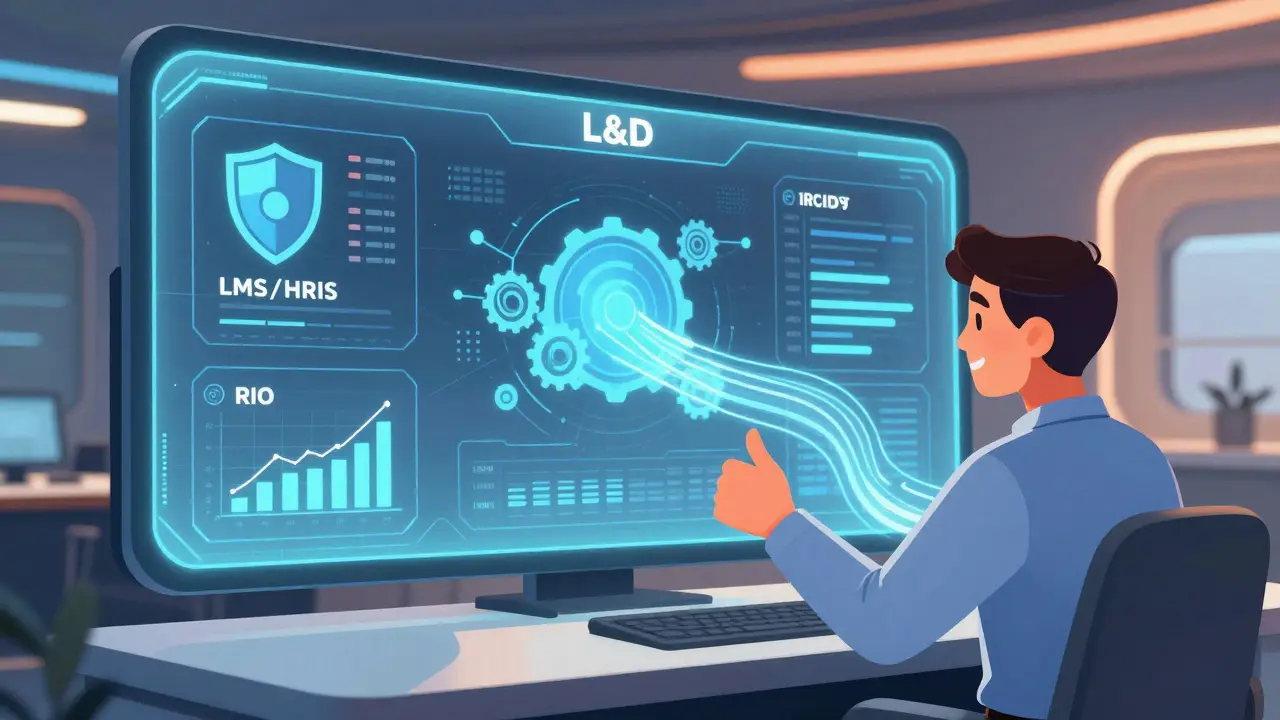
Measuring ROI: Beyond Completion Rates
Once the deal is signed and the licenses are distributed, the real work begins. How do you know if this investment is paying off? Tracking simple "completion rates" is vanity metric territory. Anyone can click through a video course without learning anything.
To measure true impact, tie learning data to business outcomes. Use the analytics dashboard provided by the vendor to correlate training activity with performance indicators. For example:
- Did sales reps who completed the advanced negotiation module close deals 10% faster?
- Did engineers who finished the Python certification reduce bug reports in their codebase?
- Has employee retention improved in departments with high training participation?
Set quarterly reviews with your L&D team to analyze these trends. If the data shows no correlation between training and performance, revisit the content quality or the assignment strategy. The license is just the tool; the curriculum and coaching are what drive results.
Common Pitfalls to Avoid
Even seasoned professionals make mistakes when structuring corporate learning deals. Here are the most common traps:
Ignoring Mobile Accessibility: If your workforce includes field agents, nurses, or factory workers, desktop-only access is useless. Verify that the mobile app offers offline download capabilities and full functionality.
Underestimating Onboarding Time: Integrating a new platform takes time. Budget at least 4-6 weeks for IT setup, admin configuration, and pilot testing with a small group before rolling out to the entire organization.
Failing to Define "Active User": Some vendors count anyone who logs in once as an active user for billing purposes. Others require monthly engagement. Clarify this definition to avoid surprise invoices.
What is the typical cost of an enterprise learning license?
Costs vary widely based on the provider and scope. Generally, fixed-seat licenses range from $200 to $600 per user annually. Unlimited enterprise licenses often start around $10,000 to $50,000 per year depending on company size tiers. Premium platforms with exclusive university partnerships may charge upwards of $800 per seat.
Can I mix different course providers in one agreement?
Not directly within a single vendor contract. However, many enterprises use an aggregator platform or a robust LMS that integrates with multiple providers (like Coursera, Pluralsight, and LinkedIn Learning) simultaneously. This creates a unified experience for employees while maintaining separate backend agreements with each content source.
Do employees keep their certificates if they leave the company?
This depends entirely on the vendor’s policy. Most major platforms allow learners to download digital certificates and transcripts upon completion, which remain accessible even after their corporate account is deactivated. Always confirm this clause in the agreement to ensure you are supporting employee career mobility, which boosts employer brand reputation.
How do I handle compliance training requirements?
Look for vendors that offer pre-built compliance modules (such as GDPR, HIPAA, or Anti-Harassment) that are regularly updated to reflect current laws. Ensure the platform supports mandatory assignment features, automated reminders, and audit-ready reporting so you can prove regulatory adherence during inspections.
Is it better to buy software licenses or custom-developed courses?
For general skills like leadership, coding basics, or soft skills, off-the-shelf licensed content is more cost-effective and higher quality due to expert production values. For highly specific internal processes, proprietary product knowledge, or unique company culture topics, custom development is necessary. A hybrid approach usually yields the best results.