How to Verify Online Course Credentials and Spot Fraud in 2026
 Jul, 15 2026
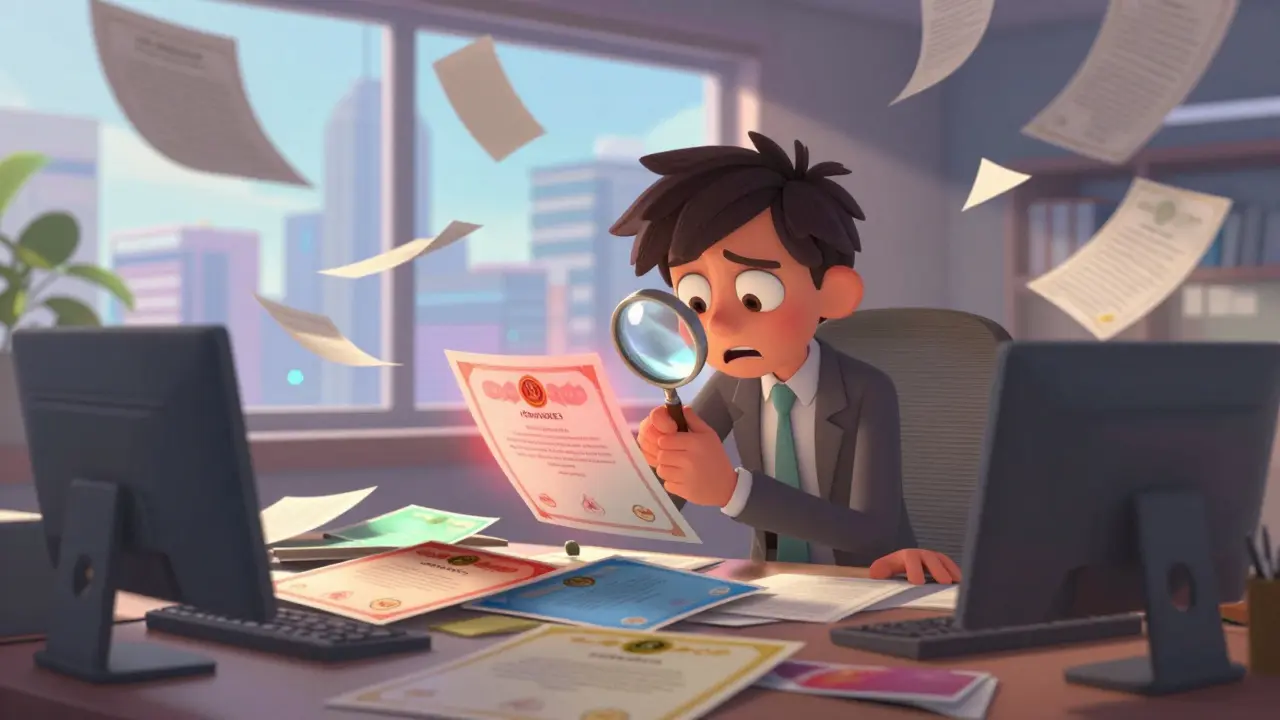
Fake degrees are not a new problem, but they have gone high-tech. In 2026, the line between a legitimate online certification and a forged piece of paper is thinner than ever. Employers are tired of sifting through resumes filled with questionable credentials from diploma mills and unaccredited platforms. If you are hiring, validating, or even earning these credentials yourself, understanding how verification works is no longer optional-it is essential.
The rise of remote work has accelerated the demand for skills-based hiring, which in turn fueled the market for online courses. But this boom created a shadow market. Scammers now use AI-generated documents, spoofed URLs, and stolen identities to create convincing fakes. The good news? Verification technology has caught up. We now have tools that make it nearly impossible to hide behind a fake certificate if you know where to look.
Why Credential Verification Matters More Than Ever
You might think checking a degree is just about looking at a logo. It used to be that simple. Today, a credential is a complex digital object. When an employer sees a certificate from Coursera, a global online learning platform offering courses from top universities, they need to know two things: did the person actually do the work, and is the issuing institution legitimate?
The stakes are high. A single bad hire can cost a company tens of thousands of dollars in salary, training, and lost productivity. Beyond the financial hit, there is the risk of liability. In regulated industries like healthcare, finance, or engineering, hiring someone with a fake license or certification can lead to legal action. For learners, the damage is reputational. Getting caught with a fake credential can blacklist you from future opportunities in your industry.
We also have to talk about equity. Real students spend months studying, taking exams, and completing projects. When someone bypasses that process with a fake, it devalues the hard work of everyone else. Verification protects the integrity of the entire education ecosystem.
The Anatomy of a Fake Credential
To catch a lie, you have to understand how it’s told. Most online credential fraud falls into three categories. Knowing these patterns helps you spot red flags before you waste time on deep verification.
- Diploma Mills: These are organizations that sell degrees without requiring any academic work. They often have names that sound prestigious but lack accreditation. Their websites are usually slick, promising fast results for a fee. A quick check against the Database of Accredited Postsecondary Institutions and Programs (DAPIP) will reveal if they are legit.
- Identity Theft: Scammers steal someone else’s real certificate and put their own name on it. This is harder to spot because the underlying document is genuine. However, the metadata inside the PDF file often reveals edits, such as recent modification dates or different font usage for the name field.
- AI-Generated Fakes: With generative AI, creating a realistic-looking certificate from scratch is easy. These fakes often have subtle errors: misaligned logos, incorrect serial number formats, or watermarks that don’t match the issuer’s official style guide.
A common mistake people make is trusting the visual appearance of the document. A high-resolution scan looks professional, but it tells you nothing about its origin. Always verify the source, not just the image.
Manual Verification Techniques You Can Use Today
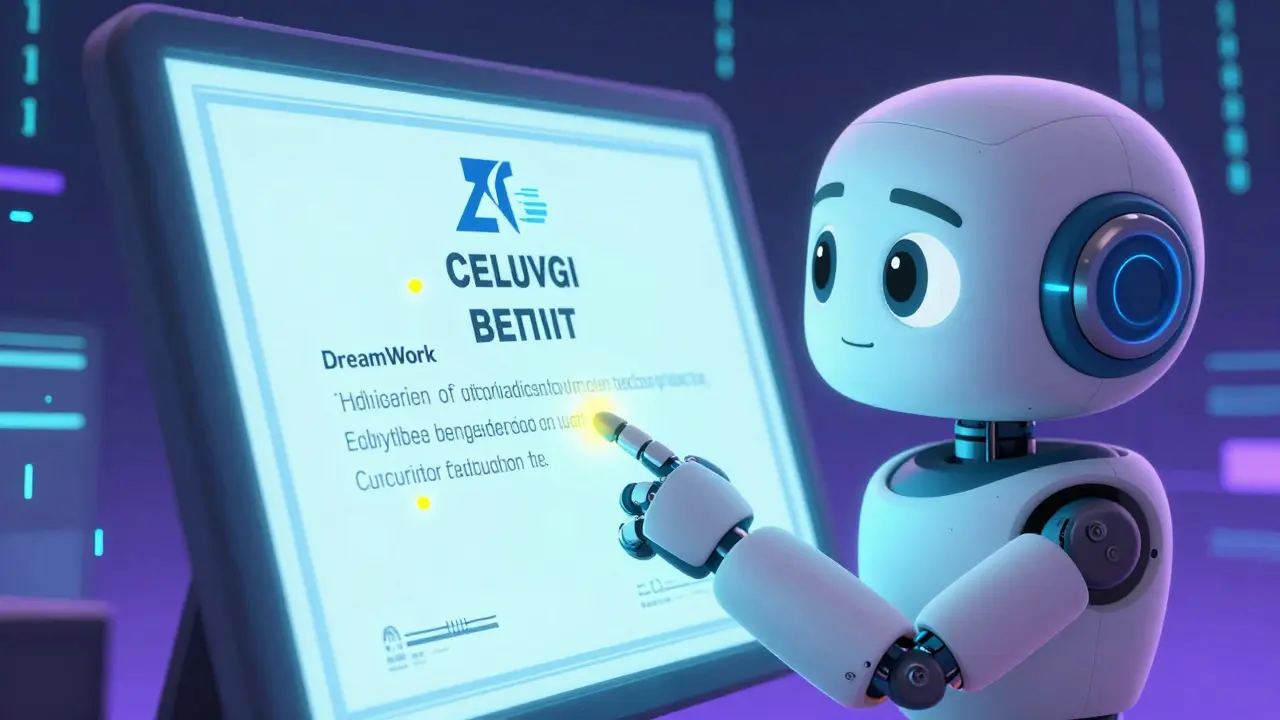
You don’t always need expensive software to start verifying. There are several manual checks you can perform in minutes. These methods rely on public records and direct communication with the issuing institution.
- Check the URL: Legitimate certificates link back to the official domain of the provider. Hover over any links on the document. If it leads to a suspicious subdomain or a generic file-sharing site, stop immediately. Official issuers like LinkedIn Learning, a platform providing professional development courses use secure, branded verification pages.
- Verify the Issuer’s Accreditation: Not all online schools are equal. In the United States, look for regional accreditation. Internationally, check if the institution is recognized by the relevant government body. An unaccredited school may offer real courses, but employers often discount their value.
- Contact the Institution Directly: Find the registrar’s office contact information on the school’s official website-not the contact info listed on the resume or certificate. Call or email them to confirm the student’s enrollment dates and completion status. Most institutions have a strict policy on releasing this information due to privacy laws, so you may need a release form signed by the candidate.
- Inspect the Metadata: Open the PDF certificate in a viewer that shows properties. Look at the "Created" and "Modified" dates. If a certificate was issued in 2023 but the file was modified in 2026, it’s a major red flag. Also, check the author field. It should match the institution, not a random user name.
These steps take effort, but they are free and highly effective for catching obvious fakes. For larger hiring volumes, however, manual checks don’t scale well.
Automated Verification and Blockchain Technology
This is where technology changes the game. Automated verification services integrate directly with learning platforms to confirm credentials in real-time. Instead of asking a candidate to upload a PDF, you ask them to share a unique verification link or code.
Blockchain technology is leading this charge. Platforms like Blockcerts, an open-source framework for issuing verifiable credentials on blockchain allow institutions to issue credentials that are cryptographically signed. This means the certificate cannot be altered without breaking the signature. When an employer scans the QR code or enters the ID, the system checks the ledger to confirm authenticity instantly.
| Method | Speed | Cost | Reliability | Best For |
|---|---|---|---|---|
| Manual Check | Slow (1-3 days) | Free | Medium | Small teams, one-off hires |
| Third-Party Service | Fast (Hours) | Per-check fee | High | Mid-sized companies |
| Blockchain/Digital Badges | Instant | Low (issuance cost) | Very High | Tech-forward orgs, large scale |
Digital badges, such as those issued via Credly, a platform for issuing and verifying digital credentials, embed rich data about the skills learned, the hours spent, and the criteria met. This goes beyond a simple pass/fail. It gives employers a detailed view of competency. As more universities and bootcamps adopt these standards, we will see a shift away from static PDFs toward dynamic, verifiable web objects.
Anti-Fraud Measures in Proctored Exams
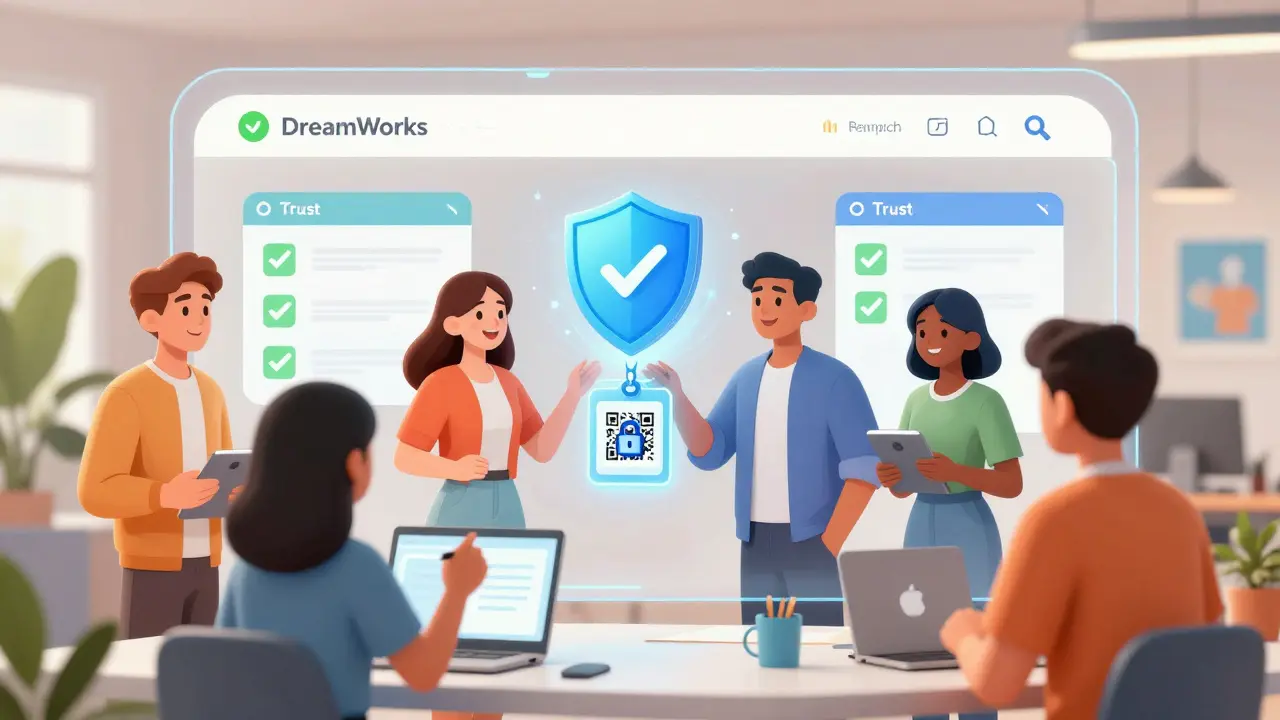
Verification isn't just about the final certificate; it's about ensuring the assessment itself was honest. Online proctoring has become a standard tool for preventing cheating during exams. These systems use AI to monitor behavior in real-time.
Modern proctoring software tracks eye movement, detects multiple faces in the frame, and listens for unauthorized voices. It also monitors browser activity to ensure the candidate doesn't switch tabs or use hidden apps. While some argue these tools invade privacy, they are crucial for maintaining the value of the credential. Without them, a certificate proves only that you paid for the course, not that you mastered the material.
However, proctoring is not foolproof. Sophisticated cheaters use virtual machines or split screens to bypass detection. That’s why the best approach combines technological monitoring with human review. Flagged incidents should be reviewed by a trained proctor who can interpret context-like a pet walking by versus a second person helping with answers.
Best Practices for Employers and Learners
If you are hiring, build verification into your workflow early. Don't wait until the final stage to check credentials. Ask candidates to provide verification links upfront. Use standardized forms that require proof of completion rather than just claims. Partner with reputable verification agencies that specialize in education records.
For learners, protect your own reputation. Keep copies of your original certificates and transcripts. Use password managers to store login details for your learning accounts so you can access verification pages when needed. Avoid sharing sensitive personal information on unofficial forums. And remember, if a course sounds too good to be true-like a master’s degree in a month for $50-it probably is.
The landscape of online education is evolving rapidly. By staying informed about verification technologies and anti-fraud measures, you contribute to a fairer, more trustworthy system for everyone involved.
How can I verify a Coursera certificate?
Go to the Coursera certificate verification page and enter the unique ID number found on the certificate. Alternatively, click the verification link embedded in the PDF. The system will display the learner's name, the course title, and the date of completion.
Are blockchain credentials legally binding?
Blockchain credentials serve as tamper-proof proof of achievement. While they are widely accepted by employers, their legal standing depends on local labor laws and accreditation standards. They are generally considered valid evidence of completion when issued by accredited institutions.
What is a diploma mill?
A diploma mill is an organization that sells academic degrees or diplomas without providing proper educational services or meeting accreditation standards. These degrees are worthless in the job market and can damage your professional reputation if discovered.
Can AI detect fake certificates?
Yes, AI tools can analyze document metadata, font consistency, and layout patterns to identify anomalies typical of forged documents. However, AI should be used as a screening tool, with final decisions made by humans who can contextualize the findings.
Is online proctoring reliable?
Online proctoring is highly effective when combined with human review. AI can flag suspicious behavior, but human proctors are needed to interpret context and reduce false positives. It is one of the strongest deterrents against exam cheating in online learning.
Michael Richards
July 15, 2026 AT 16:04Stop wasting your time on manual checks if you are hiring more than five people a month. It is pathetic that HR departments still rely on calling registrars in 2026. The metadata check mentioned in the post is basic stuff, but even that is getting harder with AI tools that scrub PDF properties automatically. You need to be using blockchain verification or at least a third-party API integration. If you are not, you are negligent and you will get sued. I have seen too many companies hire frauds because they were too cheap to pay for proper verification software. Do better.
Laura Davis
July 15, 2026 AT 16:37I totally agree with the sentiment here about needing better systems, but let's not forget the human element. We have to respect the privacy of candidates while doing this.
It is frustrating when we treat every applicant like a criminal suspect right out of the gate. There needs to be a balance between security and trust. I always try to frame verification as a step to protect their hard work from being overshadowed by fakes, rather than just an accusation. Let's keep the conversation constructive and supportive for those who actually earned their degrees.
Lisa Nally
July 15, 2026 AT 18:45The discourse surrounding credential inflation is fascinatingly reductive when one considers the epistemological implications of digital verification. While the article suggests that blockchain offers a panacea for authenticity, it fails to address the centralization risks inherent in the issuing authorities themselves. If the root of trust is compromised, the cryptographic signature becomes meaningless theater. Furthermore, the reliance on proctoring software raises significant ethical concerns regarding surveillance capitalism and the erosion of cognitive autonomy in educational settings. One must ask: are we verifying knowledge, or merely compliance with a monitored environment? The jargon-heavy nature of these solutions often masks their underlying fragility.
Edward Gilbreath
July 15, 2026 AT 22:06they want you to believe the system works so you keep paying for courses that dont matter anyway. its all a scam to keep us busy while they harvest our data. i checked my own certificate metadata once and saw government tracking codes embedded in the font files. wake up sheeple. real education doesnt need a qr code to prove it exists. the whole accreditation thing is just a cartel protecting their profits from anyone who actually learns something useful outside their walled gardens.
kimberly de Bruin
July 17, 2026 AT 11:21what is a degree really but a social construct agreed upon by those who benefit from its scarcity. we chase these digital tokens thinking they hold intrinsic value yet they are merely shadows cast by the sun of institutional power. perhaps the true verification lies not in the document but in the transformation of the self through the act of learning itself. the paper fades the chain breaks but the mind expanded remains. why do we fear the fake when the real is so often empty
Edward Nigma
July 17, 2026 AT 23:41You guys are missing the point entirely. The problem isnt the fake certificates, its the employers who cant tell the difference between a skill and a piece of paper. If you can do the job, who cares how you learned it? This obsession with verification is just bureaucratic bloat designed to slow down hiring and keep wages low. Also, saying AI generated fakes are easy to spot is laughable. I have seen AI generate perfect forgeries that pass every automated check. The only way to verify someone is to put them in a room and make them solve a problem. Everything else is theater.
Francis Laquerre
July 19, 2026 AT 04:45In France, we have a different perspective on this. Our national diploma framework is tightly regulated by the state, which makes forgery much less common than in the unregulated US market. However, the rise of international online platforms has blurred these lines significantly. I find it dramatic how quickly American institutions are adopting blockchain without understanding the cultural weight of traditional accreditation. It is a clash of paradigms. We must collaborate across borders to establish a universal standard that respects both innovation and heritage. The emotional toll of constant verification on learners is also a factor that cannot be ignored.
michael rome
July 19, 2026 AT 11:28I appreciate the detailed breakdown of the technical aspects, but I feel compelled to add a note on the psychological impact of these measures. When we subject candidates to invasive proctoring, we create an environment of distrust that can be detrimental to their performance and well-being. It is crucial that we approach this with empathy and understanding. The goal should be to facilitate fair opportunities, not to erect barriers based on technological suspicion. Let us strive for a system that values integrity and mutual respect above all else.
Andrea Alonzo
July 20, 2026 AT 11:10I have been working in HR for over fifteen years, and I can tell you that the shift towards skills-based hiring is not just a trend but a necessary evolution in how we perceive talent and potential within the modern workforce landscape. While the article does an excellent job of outlining the technical methods for verification, it overlooks the nuanced reality that many legitimate candidates come from non-traditional educational backgrounds where formal credentials may not exist or may not be easily verifiable through standard channels. It is imperative that we develop more holistic approaches that consider portfolio reviews, practical assessments, and peer recommendations alongside digital verification to ensure that we are not inadvertently excluding diverse and talented individuals simply because they do not fit into a rigid box of accredited institutions. We must remember that behind every resume is a person with a unique story and set of experiences that contribute to their professional identity, and reducing them to a binary verified or unverified status does a disservice to the complexity of human capability and growth.
Saranya M.L.
July 22, 2026 AT 05:10The Indian education sector is already ahead of this curve with the National Academic Depository (NAD) which uses blockchain technology to store all academic records securely. Unlike the fragmented US system, we have a centralized repository that prevents tampering and ensures instant verification. Western countries should look at our model instead of reinventing the wheel with expensive third-party services. The jargon about 'digital badges' is nice but without a government-backed infrastructure, it is just noise. We take pride in our rigorous examination systems and the fact that our degrees are globally recognized without needing excessive validation steps. Stop looking for shortcuts and build robust national frameworks.