Icebreakers and Orientation Activities for New Cohorts: A Complete Guide
 Jul, 19 2026
Starting a new cohort feels like walking into a room full of strangers who are all secretly hoping you’ll say something interesting. The air is thick with awkward silence, forced smiles, and the collective anxiety of wondering if everyone else knows more than they do. If you’ve ever facilitated a group kickoff-whether in a physical classroom or on a Zoom grid-you know that the first hour sets the tone for everything that follows. Without a solid plan, you risk drifting into monotony or worse, alienating your participants before they even begin.
This is where icebreakers and orientation activities designed to build trust and engagement in new groups come in. They aren’t just filler games; they are strategic tools for social learning, the process of gaining knowledge through interaction, observation, and collaboration with others. When done right, these activities lower barriers, reveal hidden strengths, and create a shared language for the cohort. When done wrong, they feel cringey, irrelevant, or like a waste of precious time. So, how do you pick the right ones? Let’s break down what actually works for modern learners.
Why Social Learning Needs a Warm-Up
You might think that jumping straight into the curriculum is efficient. After all, why spend twenty minutes talking about hobbies when there are slides to cover? But human brains don’t work like computers. We need context, connection, and safety before we can fully engage with complex material. This is the core principle behind Andragogy, the method and practice of teaching adult learners, which emphasizes self-direction and relevance. Adults bring their own experiences to the table, and if those experiences aren’t acknowledged, they remain siloed.
Social learning thrives on psychological safety. If a participant feels judged or isolated, they won’t ask questions, share insights, or collaborate effectively. Icebreakers serve as a low-stakes entry point. They signal that this space is for people, not just data transfer. Research in educational psychology consistently shows that groups with strong initial cohesion perform better in collaborative tasks. It’s not magic; it’s biology. Our mirror neurons fire when we see others engaged, making us more likely to participate ourselves. By starting with connection, you prime the neural pathways for cooperation.
Designing Effective Icebreakers: The Core Principles
Not all icebreakers are created equal. Some rely on luck, some demand extroversion, and many feel like corporate mandates from the 1990s. To design activities that resonate with today’s diverse cohorts, keep three principles in mind:
- Low Barrier to Entry: Avoid activities that require public speaking skills or deep personal disclosure right away. Not everyone wants to share their biggest fear in front of fifty people on day one. Start small.
- Relevance to Content: The best icebreakers hint at the skills or topics you’ll be covering. If you’re teaching negotiation, an activity that involves trading resources makes sense. If it’s coding, a logic puzzle works better than a trivia quiz.
- Inclusivity: Be mindful of cultural differences, neurodiversity, and varying comfort levels with technology. Provide multiple ways to participate-verbal, written, or visual.
Think of these principles as filters. If an activity doesn’t pass them, scrap it. You want engagement, not exhaustion.
Top Icebreakers for Virtual Cohorts
Virtual learning presents unique challenges. You’re dealing with camera fatigue, audio glitches, and the temptation to multitask. Your icebreakers need to be interactive enough to pull attention back to the screen but simple enough to execute without technical hiccups. Here are a few proven strategies:
- The Two Truths and a Lie Remix: Instead of random facts, ask participants to share two true statements about their professional background and one lie related to the course topic. This gets people thinking about the subject matter while revealing expertise levels.
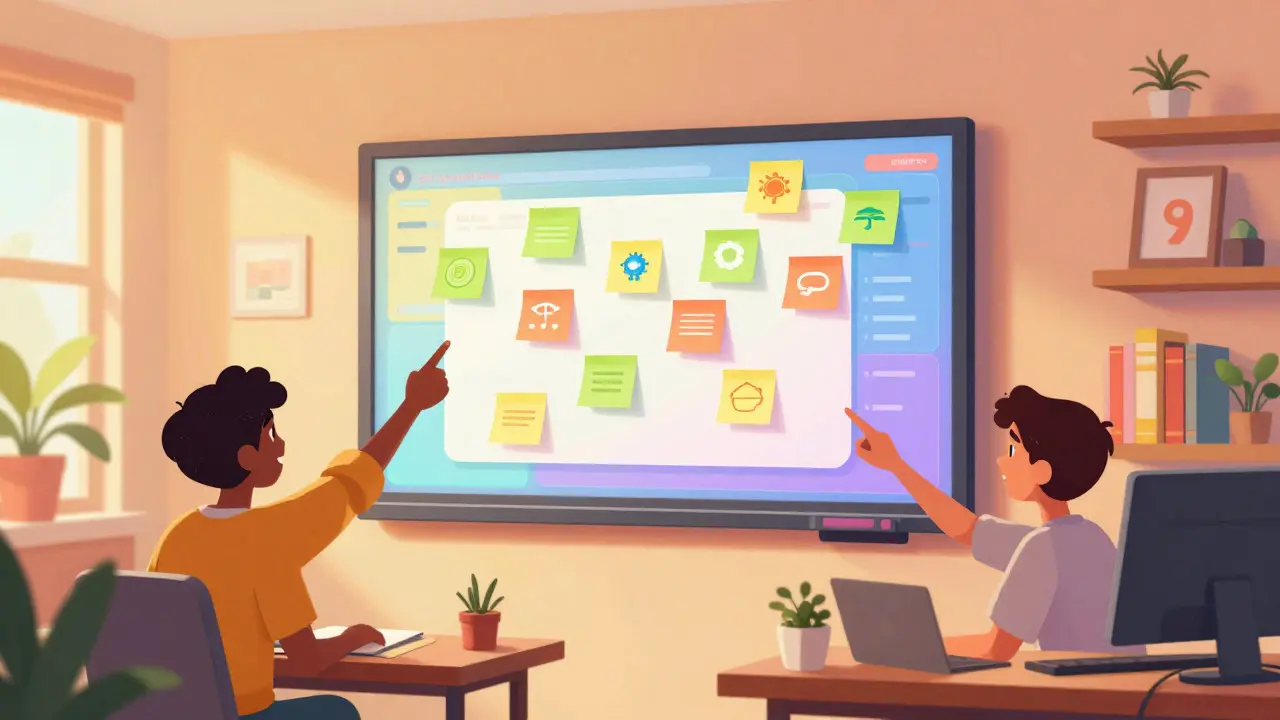
- Collaborative Whiteboarding: Use tools like Miro or Jamboard. Pose a question like “What’s one challenge you hope to solve in this cohort?” Have everyone add sticky notes simultaneously. It’s visual, asynchronous-friendly, and creates an immediate map of group needs.
- Background Storytelling: Ask participants to show an object near them that represents their career journey. It could be a mug, a book, or a plant. This humanizes the avatars on the screen and sparks curiosity without requiring vulnerability.
These activities work because they leverage the digital environment rather than fighting against it. They turn passive viewers into active contributors within minutes.
Best Practices for In-Person Orientation
If you’re gathering people physically, you have the advantage of body language, proximity, and shared energy. However, you also face the pressure of filling physical space with meaningful interaction. Standing around in a circle isn’t enough. You need structure.
Consider Gamification, the application of game-design elements and game principles in non-game contexts to enhance user engagement. Turning orientation into a scavenger hunt or a problem-solving challenge can break down cliques instantly. For example, divide the group into mixed teams and give them a task that requires finding specific information about each other to complete a puzzle. This forces cross-group communication and reveals complementary skills.
Another powerful technique is the “Speed Networking” format. Set a timer for two minutes per pair. Participants rotate and answer a prompt like “What’s one thing you’re excited to learn?” It’s fast-paced, ensures everyone talks to multiple people, and prevents dominant personalities from hogging the conversation. The key is clear instructions and strict timekeeping. Chaos kills momentum.
Moving Beyond the First Day: Sustaining Engagement
An icebreaker is a spark, not a fire. If you want social learning to stick, you need to weave connection into the fabric of the entire cohort experience. Don’t let the energy dissipate after the welcome session. Here’s how to maintain momentum:
- Regular Check-Ins: Start each session with a quick round-robin update. Keep it brief-one sentence per person. It maintains accountability and keeps faces familiar.
- Peer Teaching Moments: Assign small segments of content to participants based on their expertise. This validates their knowledge and encourages others to listen closely.
- Reflective Journals: Encourage private reflection that can be optionally shared. Writing helps process emotions and insights that might be too hard to voice aloud initially.
Sustained engagement relies on consistency. People need to know that their presence matters beyond the introductory phase. Create rituals that reinforce community identity.

Common Pitfalls to Avoid
Even well-intentioned facilitators can stumble. Watch out for these traps:
| Pitfall | Why It Fails | Better Approach |
|---|---|---|
| Forced Fun | Making shy people uncomfortable by demanding high-energy participation. | Offer opt-out options or written alternatives. |
| Irrelevance | Activities that have no link to the course goals feel like wasted time. | Tie the activity directly to a learning objective. |
| Lack of Debrief | Playing a game without discussing what was learned misses the educational point. | Always follow up with reflective questions. |
| Ignoring Time Zones | Scheduling live activities at inconvenient times excludes global participants. | Use asynchronous options alongside live sessions. |
Avoiding these pitfalls requires empathy and flexibility. Read the room-or the chat box-and adjust accordingly. If energy is low, switch to a quieter activity. If people are chatting too much, tighten the structure. Facilitation is an art form that demands constant calibration.
Measuring Success: Did It Work?
How do you know if your icebreakers were effective? Look beyond satisfaction surveys. Observe behavior changes over time. Are participants asking more questions? Are they collaborating in breakout rooms without prompting? Do they reference previous discussions in later modules?
You can also use simple metrics. Track attendance rates, completion percentages, and peer feedback scores. Compare cohorts that received structured orientation versus those that didn’t. Often, the data will show a clear correlation between early engagement and long-term retention. Remember, the goal isn’t just to make people smile; it’s to build a foundation for deep, collaborative learning.
Tools and Platforms to Support Social Learning
Technology can amplify your efforts. Choose platforms that facilitate interaction rather than just content delivery. Learning Management Systems (LMS) like Moodle or Canvas offer discussion forums and group project spaces. Video conferencing tools like Zoom or Microsoft Teams provide breakout rooms for smaller interactions. Collaborative documents like Google Docs allow real-time co-creation.
Don’t underestimate the power of informal channels. Slack or Discord servers can become vibrant hubs for ongoing conversation outside of scheduled sessions. Encourage participants to share resources, ask quick questions, and celebrate wins. These digital watercoolers extend the lifespan of your icebreakers far beyond the first day.
How long should an icebreaker activity last?
Aim for 10 to 20 minutes for the initial orientation. Longer activities risk losing attention, while shorter ones may not establish sufficient connection. Adjust based on group size and complexity of the task.
Can icebreakers work for large cohorts?
Yes, but you need scalable methods. Use polling tools, large-group whiteboards, or small breakout sessions to ensure everyone participates. Avoid whole-group sharing for cohorts larger than 20 people.
What if participants seem resistant to icebreakers?
Resistance often stems from past bad experiences or perceived irrelevance. Explain the purpose clearly, keep activities low-stakes, and model enthusiasm yourself. Give people agency by offering choices in how they participate.
Are virtual icebreakers less effective than in-person ones?
They can be equally effective if designed specifically for the medium. Virtual activities benefit from built-in tools like chat, polls, and digital boards. The key is leveraging technology to create interaction, not just replicating physical games online.
How do I handle cultural differences in icebreakers?
Research your audience beforehand. Avoid idioms, sports references, or humor that may not translate universally. Focus on universal themes like goals, challenges, and interests. Provide clear instructions and allow time for processing.