Learning Contracts: How Mutual Expectations Boost Course Completion
 Aug, 3 2026
Picture this: you sign up for an online course with high hopes. You watch the first few videos, take some notes, and then... life happens. The motivation fades. The deadline looms. And suddenly, you’re one of the 90% of learners who never finish that course. It’s not just a bad habit; it’s a structural failure in how we approach education.
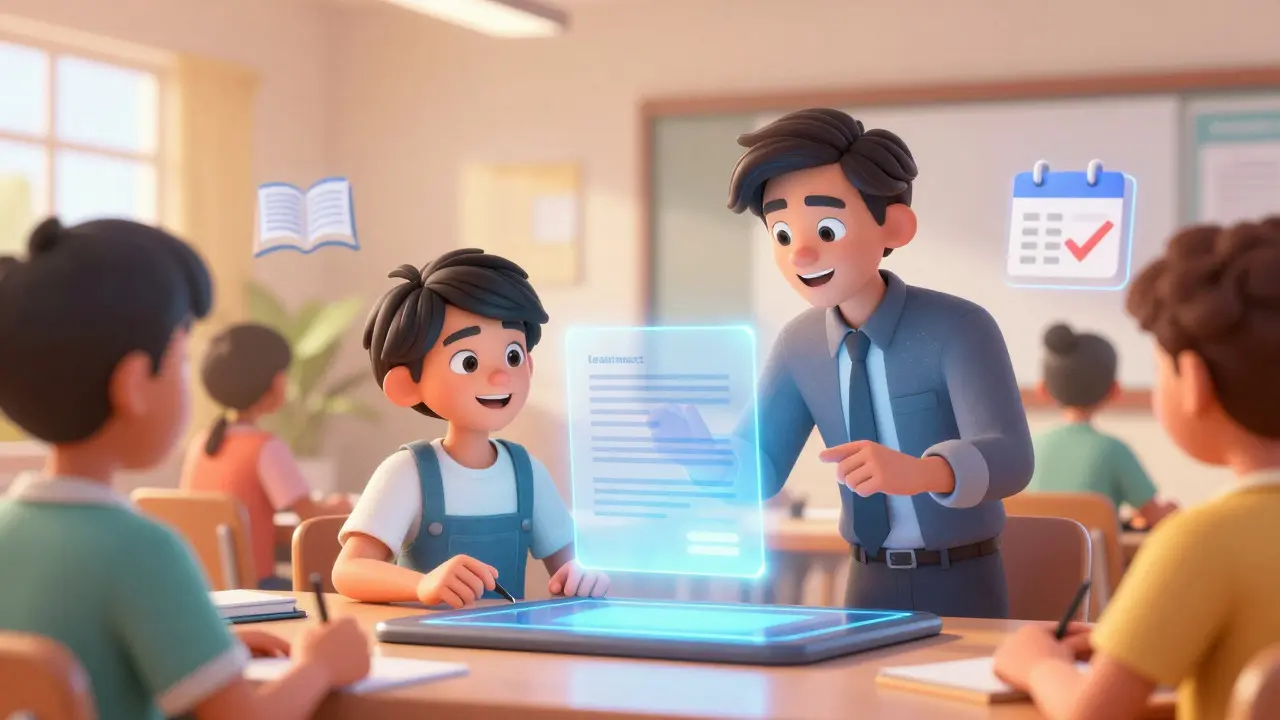
The missing piece isn’t usually talent or time. It’s accountability. Specifically, learning contracts. These aren’t legal documents filed away in a drawer. They are living agreements between students and instructors (or peers) that define exactly what success looks like, who does what, and how progress is tracked. When done right, they transform passive consumption into active partnership, drastically boosting course completion rates.
What Is a Learning Contract?
A Learning Contract is a formal agreement outlining specific learning goals, responsibilities, timelines, and assessment methods agreed upon by both the learner and the educator. Think of it as a roadmap co-created at the start of a journey. Instead of the instructor dumping a syllabus on students and saying "good luck," the contract invites the student to negotiate their path.
This concept stems from constructivist learning theory, which argues that knowledge is built actively by the learner rather than passively received. By signing a contract, the learner takes ownership. Research in adult education, particularly andragogy, shows that adults learn best when they understand the relevance of the material and have a say in the process. A learning contract operationalizes this principle.
It typically includes:
- Specific Objectives: What will the student know or be able to do by the end?
- Resources & Methods: Which books, tools, or activities will be used?
- Timeline: Deadlines for milestones, not just the final project.
- Evaluation Criteria: How will success be measured? Who decides?
- Signatures: A physical or digital commitment from both parties.
Why Completion Rates Drop Without Clear Agreements
Let’s look at the numbers. In traditional online higher education, dropout rates often hover between 15% and 30%. In massive open online courses (MOOCs), it can exceed 90%. Why? Ambiguity. When expectations are vague, motivation evaporates. Students don’t know if they’re doing enough. Instructors get overwhelmed answering repetitive questions about grading rubrics.
Without a clear framework, students fall into the "illusion of competence." They watch videos and feel productive, but without concrete deliverables defined upfront, they never truly test their understanding. A learning contract breaks this illusion by setting micro-deadlines and specific output requirements. It forces clarity before confusion sets in.
Consider the psychological aspect. Commitment consistency is a powerful human bias. Once we publicly commit to something-especially in writing-we are more likely to follow through to avoid cognitive dissonance. A signed contract leverages this bias positively. It’s not about punishment; it’s about alignment.
Key Components of an Effective Learning Contract
Not all contracts are created equal. A generic template won’t cut it. To boost engagement, the contract must be personalized and specific. Here’s what makes a contract work:
- SMART Goals: Objectives must be Specific, Measurable, Achievable, Relevant, and Time-bound. Instead of "Learn Python," use "Build a functional web scraper using Python libraries by Week 4."
- Shared Responsibility: Clearly list what the instructor provides (feedback, resources, office hours) and what the student provides (time, effort, participation). This prevents the "teacher vs. student" dynamic.
- Flexible Pathways: Allow for negotiation. If a student works full-time, maybe they need extended deadlines for certain modules but agree to earlier check-ins. Flexibility increases buy-in.
- Consequences & Rewards: Define what happens if milestones are missed. Is it a warning? A reduced grade? Or a renegotiation of the timeline? Conversely, what are the rewards for early completion? Badges? Certificates? Public recognition?
In corporate training, these contracts often tie directly to performance reviews or skill certifications. In K-12, they might involve parent signatures. The context changes, but the core mechanism remains: explicit agreement drives action.
How to Implement Learning Contracts in Your Course
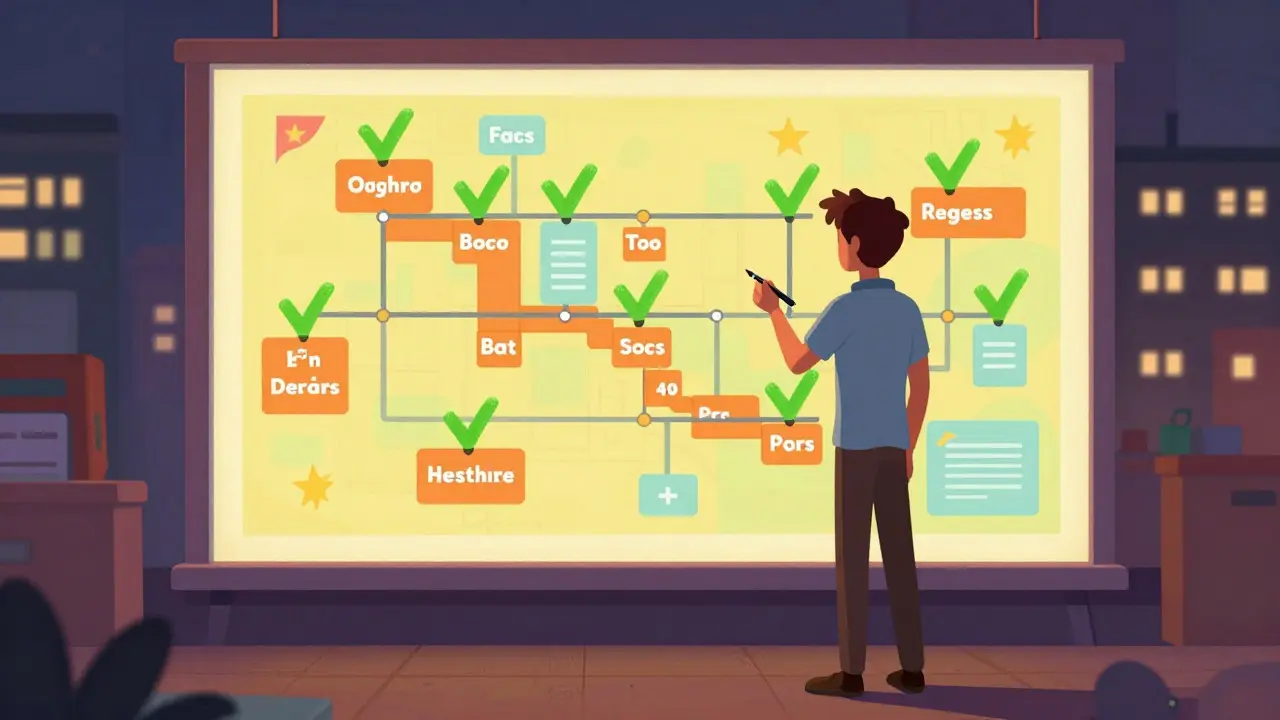
If you’re an educator or instructional designer, integrating contracts doesn’t require overhauling your entire curriculum. Start small. Here’s a step-by-step approach:
Step 1: Draft the Framework Early. Create a template during course design. Include placeholders for student-specific goals. Share this draft in the first week.
Step 2: Co-Creation Session. Host a live workshop or asynchronous discussion where students fill out their sections. Encourage them to reflect on their prior knowledge and career goals. This dialogue builds rapport.
Step 3: Review & Negotiate. Meet individually or in small groups to review drafts. Adjust unrealistic goals. Ensure resources match the ambition level.
Step 4: Sign & Store. Use digital signature tools like DocuSign or simple LMS plugins. Keep a copy accessible to both parties. Visibility matters.
Step 5: Regular Check-Ins. Schedule bi-weekly reviews against the contract. Are they on track? Do they need help? This turns the contract into a management tool, not just a document.
For self-paced courses, consider peer contracts. Pair students up to hold each other accountable. Peer pressure, when positive, is a potent motivator.
| Feature | Traditional Syllabus | Learning Contract |
|---|---|---|
| Tone | Authoritative, one-way | Collaborative, two-way |
| Goals | Fixed, uniform for all | Personalized, negotiated |
| Accountability | Implicit, enforced by grades | Explicit, self-monitored |
| Flexibility | Rigid structure | Adaptable to learner needs |
| Completion Impact | Low to moderate | High (when implemented well) |
Real-World Examples of Success
Let’s look at how this plays out in practice. At Arizona State University, some engineering courses replaced standard syllabi with "learning compacts." Students reported feeling more respected and engaged. Completion rates for those specific modules increased by 12% compared to previous semesters. The key was the weekly check-in component, which kept the contract alive.
In corporate settings, companies like Deloitte use "development contracts" for leadership training. Employees outline skills they want to acquire and how they’ll apply them on the job. Managers sign off, committing to provide opportunities for application. This ties learning directly to business outcomes, ensuring high completion because the stakes are real.
Even in informal settings, such as coding bootcamps, contracts help. Bootcamp graduates often cite the "peer pact"-where cohorts agree to study together and report progress-as a major factor in their success. It creates a community of accountability.

Pitfalls to Avoid
Implementing learning contracts isn’t foolproof. Common mistakes include:
- Overcomplication: Making the contract too long or bureaucratic. Keep it to one page. Focus on essentials.
- Lack of Follow-Through: Signing the contract but never referencing it again. If you don’t check progress, the contract becomes meaningless paper.
- Rigidity: Treating the contract as unchangeable. Life happens. Allow for amendments if circumstances change significantly.
- Punitive Mindset: Using the contract solely to penalize failure. Frame it as a support tool. The goal is growth, not compliance.
Another risk is equity. Not all students have the same baseline skills or external support systems. A contract that assumes equal starting points can disadvantage struggling learners. Address this by including scaffolding resources in the contract itself.
Tools to Facilitate Digital Contracts
You don’t need pen and paper. Several platforms streamline the process:
- LMS Plugins: Many Learning Management Systems (Canvas, Blackboard, Moodle) offer custom fields or assignment templates that can serve as contracts.
- Document Collaboration Tools: Google Docs or Microsoft Word allow real-time co-editing. Use comments to negotiate terms.
- Project Management Apps: Trello or Asana can turn contract milestones into actionable tasks with due dates and notifications.
- Dedicated Platforms: Tools like Goalbook or EverFi specialize in personalized learning plans and contracts.
Choose a tool that integrates with your existing workflow. Friction kills adoption. If students have to jump through hoops to access their contract, they’ll ignore it.
The Future of Personalized Accountability
As education moves toward more personalized, competency-based models, learning contracts will become even more critical. Artificial intelligence can help analyze student data to suggest realistic goals and predict risks of non-completion. Imagine a system that alerts you, "Based on past behavior, you might struggle with Module 3. Shall we adjust the timeline?" That’s the next evolution of the learning contract.
Moreover, blockchain technology could secure these contracts, creating immutable records of learning achievements. For lifelong learners building portfolios across multiple institutions, standardized contracts could facilitate credit transfer and recognition.
But regardless of tech advancements, the human element remains central. The conversation behind the contract-the negotiation, the empathy, the shared vision-is what truly drives engagement. Technology supports; humans connect.
Are learning contracts legally binding?
Generally, no. In most educational contexts, learning contracts are pedagogical tools, not legal instruments. They represent a moral and professional commitment between parties. However, in corporate training tied to employment conditions, they may have HR implications. Always clarify the nature of the agreement upfront.
Can learning contracts be used in K-12 education?
Yes, absolutely. For younger students, contracts often involve parents or guardians. They focus on simpler goals like "complete homework daily" or "participate in class discussions." The language should be age-appropriate, and visual aids can help. The core benefit-building responsibility-applies at all ages.
How do I handle a student who breaks their contract?
Approach it as a diagnostic opportunity, not a disciplinary one. Ask why they fell short. Was the goal unrealistic? Did external factors interfere? Use this to renegotiate the contract or provide additional support. The aim is to keep them on track, not to punish them for failing.
Do learning contracts work for self-paced online courses?
They can, but they require adaptation. Since there’s no direct instructor interaction, consider peer contracts or automated check-ins via email. Set internal deadlines and use gamification elements to reward adherence. The lack of human oversight means the contract must be highly structured and self-motivating.
What is the difference between a syllabus and a learning contract?
A syllabus is a unilateral document provided by the instructor, outlining course policies and schedule. A learning contract is bilateral, involving negotiation and personalization. While a syllabus sets the stage, a contract defines the individual actor’s role and goals within that stage.