Life Coaching Certification and Training: What You Really Need to Know
 Jan, 6 2026
Want to become a life coach? You’re not alone. Thousands of people each year start looking into life coaching certification and training, hoping to turn their passion for helping others into a full-time career. But here’s the truth most course brochures won’t tell you: not all certifications are created equal. Some cost thousands and deliver little more than a PDF. Others give you real skills, real clients, and real credibility. So how do you pick the right one?
What Does a Life Coach Actually Do?
A life coach doesn’t give advice like a therapist or solve problems like a consultant. They ask powerful questions, help clients clarify their goals, and hold them accountable. Think of them as a personal growth partner. They work with people who are stuck-whether it’s career confusion, relationship issues, or just feeling unfulfilled-and help them build actionable plans.
Real-life examples? A client might come in saying, “I hate my job but don’t know what else to do.” A good coach won’t tell them to quit. Instead, they’ll guide them through exercises to uncover their values, strengths, and hidden fears. That’s the difference between coaching and counseling. Coaching is forward-focused. It’s about movement, not diagnosis.
Why Certification Matters (Even If You Don’t Need It)
Technically, you don’t need a certification to call yourself a life coach. There’s no government license. But here’s the catch: clients won’t trust you without one.
Look at it this way: if you were hiring a personal trainer, would you pick someone with a certificate from a 2-week online course-or someone certified by the National Strength and Conditioning Association? Same logic applies here. People pay for proof of competence. Certification signals you’ve been trained, tested, and held to a standard.
According to the International Coaching Federation (ICF), 78% of paying clients say certification was a major factor in choosing their coach. That’s not a small number. It’s the difference between getting hired and getting ignored.
What to Look for in a Training Program
Not all life coaching programs are built the same. Here’s what separates the good from the gimmicks:
- Accreditation: Look for programs accredited by the ICF or the European Mentoring and Coaching Council (EMCC). These are the gold standards. They require at least 60 hours of training, 10 hours of mentoring, and 100 hours of coaching practice before certification.
- Hands-on practice: Can you coach real people during training? Programs that only have role-plays with classmates are weak. The best ones connect you with actual clients through supervised practicums.
- Curriculum depth: Avoid programs that teach “the 5-step formula to change anyone’s life.” Real training covers ethics, boundaries, communication models (like GROW or CLEAR), emotional intelligence, and cultural sensitivity.
- Post-certification support: Do they offer ongoing mentorship, client referral networks, or business-building resources? Coaching is a business. Your training should prepare you for that.
One program in California, for example, requires students to coach 10 real clients over 3 months under supervision. Another in New York includes a capstone project where you design a full coaching package for a specific niche-like divorce recovery or midlife career shifts. Those are the kinds of programs that actually build skills.
Cost vs. Value: What’s Really Worth It?
Programs range from $500 to $10,000. That’s a huge gap. So what are you paying for?
At the low end ($500-$1,500), you’re usually getting a self-paced online course with a quiz at the end. You get a certificate, but no mentoring, no practice hours, and no recognized credential. These are fine if you’re just exploring-but not if you want to earn money.
Mid-range ($2,000-$5,000) is where most serious students land. You get live sessions, supervised coaching, a recognized credential (like ICF’s ACC), and access to a community. This is the sweet spot for most people starting out.
High-end ($6,000+) often includes advanced training, one-on-one executive coaching mentorship, and branding support. These are great if you’re targeting corporate clients or want to build a premium brand-but they’re overkill if you’re planning to coach part-time from home.
Pro tip: Ask for a detailed breakdown of what’s included. If they say “everything” without specifics, walk away.
Choosing Your Niche Before You Get Certified
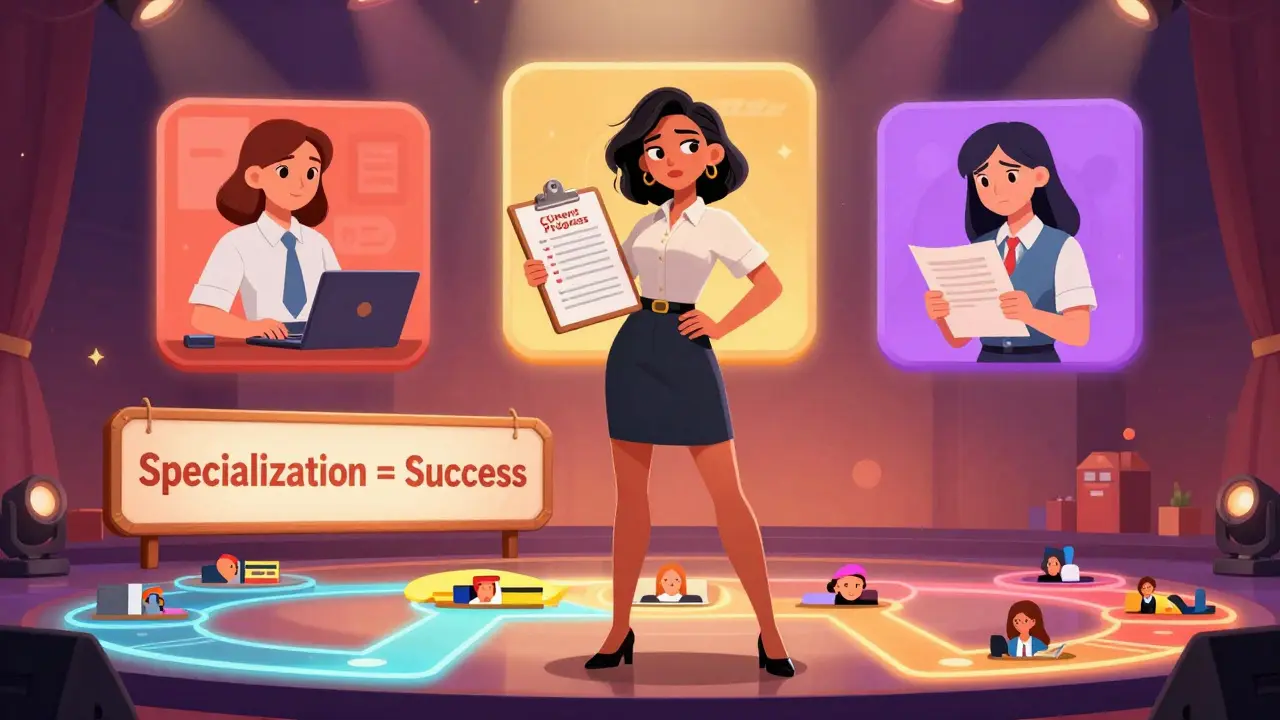
Here’s something most training programs won’t tell you: the most successful coaches aren’t generalists. They specialize.
“I help people find purpose” sounds nice. But it’s too vague. Who exactly? What’s their pain point? What’s the outcome?
Strong niches include:
- Women returning to work after raising kids
- First-time managers struggling with team leadership
- Entrepreneurs burned out from overworking
- Teenagers navigating college pressure
Specializing makes marketing easier, attracts higher-paying clients, and lets you tailor your training to real-world scenarios. Some programs even let you focus your practicum hours on your chosen niche. That’s a huge advantage.
What Comes After Certification?
Getting certified is just the start. The real work begins when you hang up your shingle.
Most new coaches struggle with three things:
- Getting clients: Start by offering free 30-minute sessions to friends, local meetup groups, or LinkedIn connections. Track who converts. That’s your first market.
- Setting prices: Don’t undercharge. Entry-level coaches in the U.S. typically charge $75-$150/hour. With experience, $200-$400 is common. Charge too little, and you attract the wrong clients.
- Staying consistent: Coaching is lonely at first. Join a peer group. Find a mentor. Keep learning. The best coaches never stop training.
One coach in Texas started by coaching five clients for free while building case studies. Within six months, she had a waiting list and was charging $175/hour. Her secret? She documented every client’s progress and used those stories to attract others.

Red Flags to Avoid
Watch out for these warning signs:
- Promises of “quick money” or “six-figure income in 90 days.”
- Programs that require you to buy expensive software or coaching tools to graduate.
- Trainers who don’t have their own coaching business or client testimonials.
- No clear path to ICF or EMCC accreditation.
- Only online, no live interaction or feedback.
If it sounds too good to be true, it is. Coaching isn’t a get-rich-quick scheme. It’s a skill-based profession that takes time, practice, and integrity to master.
Final Thoughts: Is This Right for You?
Life coaching certification and training isn’t about getting a piece of paper. It’s about becoming someone others can trust to help them navigate change. If you’re patient, empathetic, and willing to learn how to listen deeply, this path can be deeply rewarding.
But if you’re looking for a quick credential to slap on your LinkedIn, you’ll burn out fast. The best coaches aren’t the ones with the fanciest certificates. They’re the ones who show up, stay curious, and keep growing.
Do I need a degree to become a life coach?
No, you don’t need a college degree to become a life coach. Most certification programs only require a high school diploma or equivalent. What matters more is your training, coaching hours, and ability to connect with clients. That said, some coaches with degrees in psychology or counseling use those backgrounds to enhance their practice-but it’s not required.
How long does life coaching certification take?
It depends on the program. Shorter courses can be completed in 4-8 weeks, but they often don’t meet accreditation standards. ICF-accredited programs typically take 3-6 months to complete, including required coaching hours and mentoring. Some students finish faster by dedicating more time each week. The key is not speed-it’s depth.
Can I make money as a life coach?
Yes, but not overnight. Most coaches earn between $30,000 and $80,000 per year after 2-3 years of consistent work. Top coaches with strong niches and marketing systems can earn $100,000+. The key is building a system: consistent outreach, client referrals, and clear pricing. Coaching is a service business, and like any business, success comes from strategy, not just good intentions.
What’s the difference between ICF and non-ICF certification?
ICF (International Coaching Federation) is the most widely recognized global body for coaching standards. Their certifications require verified coaching hours, mentor coaching, and adherence to a code of ethics. Non-ICF programs vary widely-some are excellent, but many lack oversight. Clients and employers often prefer ICF credentials because they’re transparent, measurable, and respected worldwide.
Can I coach online or do I need to be local?
You can coach anywhere. Most life coaches today work entirely online using Zoom, Google Meet, or phone calls. This gives you access to clients across the country-or even globally. Location doesn’t matter as much as your ability to build trust and deliver results. Many coaches in smaller towns have clients in New York, London, or Sydney.
Next Steps: How to Start Today
If you’re serious about becoming a life coach, here’s your action plan:
- Research ICF-accredited programs. Visit their website and compare curricula.
- Reach out to 3-5 graduates from different programs. Ask them: “Was this worth it?”
- Decide your niche. Who do you want to help? What’s their biggest struggle?
- Enroll in a program that includes supervised coaching hours.
- Start coaching 2-3 people for free or at a discount while you train. Document results.
- After certification, build a simple website and start sharing your story on social media.
The path isn’t easy, but it’s real. And for the right person, it’s one of the most meaningful careers you can build.
Tina van Schelt
January 7, 2026 AT 02:18Okay but let’s be real - most of these programs are just glorified self-help webinars with a fancy PDF at the end. I did one for $800 and got zero real coaching practice. Zero. Just a Zoom call where we role-played with people who were also just starting out. Like, cool, I now know how to ask ‘what do you want?’ five different ways. 🙄
Ronak Khandelwal
January 7, 2026 AT 21:59Life coaching isn’t about certs - it’s about presence. 💫 When you show up with heart, not hype, people feel it. I’ve coached folks in Mumbai, Nairobi, and Milwaukee - all online. No degree. No ICF badge. Just listening. And that’s enough. The system wants you to buy into ‘credentials’… but truth? The best coaches are the quiet ones who don’t need a certificate to know they’re helping.
Trust your gut. Start small. Help one person. Then another. The rest follows. 🌱
Jeff Napier
January 9, 2026 AT 03:16ICF is a cult. They don’t care about coaching - they care about money. Every cert program they approve is owned by the same parent company. It’s a pyramid scheme disguised as professionalism. You think you’re getting trained? Nah. You’re getting enrolled in a subscription service that charges you $300/year just to keep your fake title. And don’t even get me started on the ‘code of ethics’ - it’s just a legal shield so they can sue you if you say the wrong thing.
Real coaches don’t need badges. They need clients. And clients don’t care if you’re ICF-certified. They care if you helped them sleep better.
Sibusiso Ernest Masilela
January 9, 2026 AT 13:18You people are delusional. Paying $5,000 for a ‘certification’ is like buying a PhD in astrology. The entire industry is built on the desperation of middle-class Americans who think ‘helping others’ is a career path, not a hobby. You don’t need a program. You need a reality check. Most of you will quit by month three because you can’t even get one client. And the ones who stick around? They’re the ones who never actually coached anyone - just sold courses to other people trying to become coaches. The ultimate scam.
Daniel Kennedy
January 9, 2026 AT 19:36Look - I’ve been coaching for 8 years. I got my ICF-ACC after a 6-month program that cost $3,200. It was worth every penny. Why? Because I actually coached 100+ people during training - real people, not classmates. I got feedback. I got corrected. I got mentored. And now? I charge $250/hr and have a 6-month waiting list. The program didn’t just give me a certificate - it gave me tools. The GROW model? Life-changing. Boundaries? Non-negotiable. If you’re serious, don’t go cheap. Go deep.
Also - niche down. I coach burnt-out tech managers. That’s it. That’s my whole business. Stop trying to help ‘everyone.’ Help one group, really well. That’s how you win.
Lauren Saunders
January 11, 2026 AT 15:45India has 1000s of life coaches now. Most are from Delhi or Bangalore. No accreditation. Just Instagram posts and WhatsApp groups. But guess what? People still pay. Because they want hope. Not a certificate.
sonny dirgantara
January 12, 2026 AT 09:23man i tried coaching my buddy after a 400 dollar course and he just said ‘bro you sound like a self help video’ lol
Eric Etienne
January 14, 2026 AT 00:03Why are we even talking about this? Nobody becomes a life coach to make money. They do it because they’re lonely and think helping people will make them feel important. Spoiler: it won’t. You’ll just end up emailing people who ghost you after the first session. And then you’ll buy another course.
Meredith Howard
January 15, 2026 AT 17:01While the structural integrity of professional coaching frameworks is undeniably valuable, one must not conflate credentialing with competency. The International Coaching Federation’s standards, though rigorous, are not universally recognized outside of Western contexts. In many global communities, relational trust supersedes institutional validation. Therefore, while accreditation may facilitate market access in certain economies, it does not inherently signify coaching excellence. One’s capacity for deep listening, cultural humility, and ethical presence remains the true metric of effectiveness - regardless of certification status.
Yashwanth Gouravajjula
January 16, 2026 AT 18:09Coaching is not a job. It’s a practice. Like yoga. You don’t need a certificate to breathe.
Kevin Hagerty
January 18, 2026 AT 17:11Oh wow another guru selling the dream. I bet you also believe in chakras and manifesting your dream car by putting it on your vision board. Get a real job. Like a plumber. At least plumbers fix things. Coaches just ask questions and charge $200/hr to hear someone cry about their toxic boss. Pathetic.
Janiss McCamish
January 19, 2026 AT 02:08I started coaching part-time while keeping my 9-5. First 3 clients were free. I took notes. Asked what worked. One of them became my first paying client at $75/hr. Now I’m at $180. No fancy cert. Just showed up. Listen. Didn’t give advice. Asked better questions. That’s it.
Richard H
January 20, 2026 AT 08:18Why are we letting foreigners dictate what coaching is? ICF is based in the US - but 80% of their trainers are from India. They’re outsourcing credibility. Meanwhile, real American coaches get buried under cheap online courses from Bangalore. This isn’t about helping people. It’s about global capitalism turning empathy into a commodity. We need to protect our standards.
Kendall Storey
January 22, 2026 AT 03:36ICF accreditation is the bare minimum. If you’re not doing mentor coaching, practicing with diverse populations, and building a client intake system by month 3 - you’re not serious. And if your program doesn’t require you to record and reflect on actual sessions? Run. This isn’t a hobby. It’s a professional practice. Treat it like one. Or don’t bother.
Pamela Tanner
January 22, 2026 AT 13:07I enrolled in a program that required 100 coaching hours. I did 120. I recorded every session with permission. I submitted transcripts for feedback. I was corrected on tone, timing, and power dynamics. That’s what real training looks like. The $4,500 price tag? Worth it. Because now, when a client says, ‘I’ve tried other coaches,’ I can say, ‘I’ve been trained to hold space - not fix you.’ And that’s why they stay.
Tyler Durden
January 23, 2026 AT 07:45Let me tell you about the first time I coached someone who’d been suicidal. I didn’t have a script. I didn’t have a GROW model. I just sat there. Didn’t fix. Didn’t advise. Just listened. And when they said, ‘Nobody’s ever done that before,’ I knew - this is why I’m here. Certificates don’t save lives. Presence does. So if you’re doing this for the credential? Stop. If you’re doing it because you can’t imagine not showing up for someone? Keep going. The rest will follow.
Aafreen Khan
January 24, 2026 AT 05:56ICF? Pfft. I got my cert from a guy on YouTube who said ‘just pay $199 and say you’re a coach’ 😂 I have 50 clients now. All from Instagram reels. Who cares if it’s ‘accredited’? They don’t ask for your diploma when they cry in your DMs.
Tina van Schelt
January 25, 2026 AT 06:07Wait - you’re telling me you got 50 clients from Instagram reels… and you didn’t even do a single supervised coaching hour? That’s wild. I did 100. And I still get ghosted. Maybe it’s not about the cert… maybe it’s about being real. Or maybe you’re just lucky. Or a genius. Or both. 🤷♀️