Professional Development Paths for Online Educators: A Complete Guide
 May, 29 2026
Teaching online is not just about moving a lecture from a physical room to a Zoom screen. It requires a completely different set of muscles. If you are an online educator who feels stuck in the same old routines, you are not alone. The landscape of digital learning changes fast, and keeping up can feel overwhelming. But there is a clear path forward.
This guide breaks down the specific professional development paths that actually work in 2026. We will look at how to upgrade your technical skills, master the art of engagement without being on camera 24/7, and build a career that scales. Whether you want to teach full-time or just boost your current income, these steps will help you move from surviving to thriving.
The Core Shift: From Lecturer to Facilitator
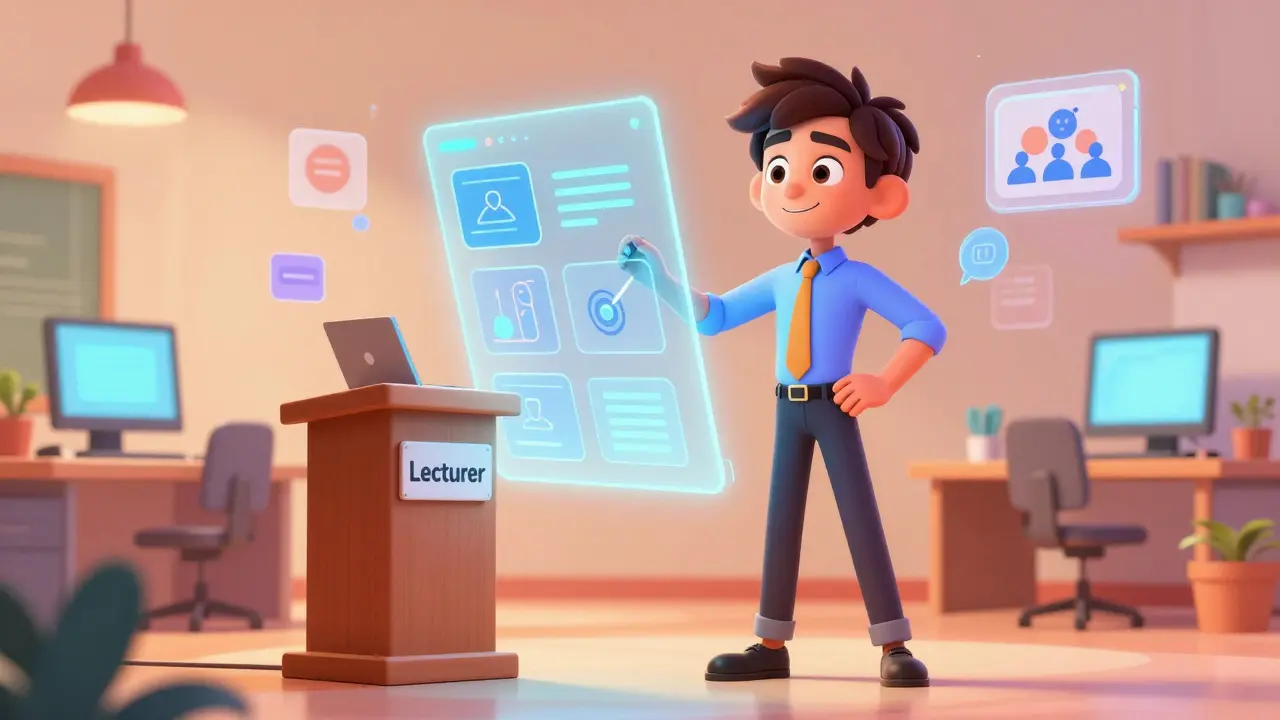
The biggest mistake new online teachers make is trying to replicate the traditional classroom experience. You cannot control when a student watches a video or reads a post. Your role shifts from being the "sage on the stage" to the "guide on the side." This shift requires developing strong facilitation skills rather than just content delivery skills.
To succeed, you need to focus on three core areas:
- Content Design: How you structure information for easy digestion.
- Community Building: How you keep students connected to each other.
- Technical Fluency: How smoothly you use the tools available.
If you ignore any of these, your course quality suffers. For example, great content delivered through a buggy platform leads to frustrated students. Great technology with boring content leads to dropouts. You need balance.
Path 1: Mastering Instructional Design
Instructional design is the science behind effective teaching. It is not just about writing good scripts; it is about understanding how people learn in a digital environment. Many educators skip this step and jump straight into recording videos. This often results in long, unengaging lectures that students struggle to finish.
You should study established frameworks like ADDIE (Analysis, Design, Development, Implementation, Evaluation) or SAM (Successive Approximation Model). These models help you plan your course backward from the desired outcome. Ask yourself: What exactly should the student be able to do after this module? Then, design the activities that lead to that result.
Consider taking a certified course in instructional design. Look for programs offered by organizations like ATD (Association for Talent Development) or universities with strong e-learning departments. This credential signals to employers or potential students that you understand the psychology of learning, not just the subject matter.
| Approach | Focus | Best For |
|---|---|---|
| Traditional Lecture | Information transfer | Foundational knowledge |
| Microlearning | Bite-sized chunks | Busy professionals |
| Project-Based | Application | Skill acquisition |
Path 2: Technical Proficiency and Tool Mastery
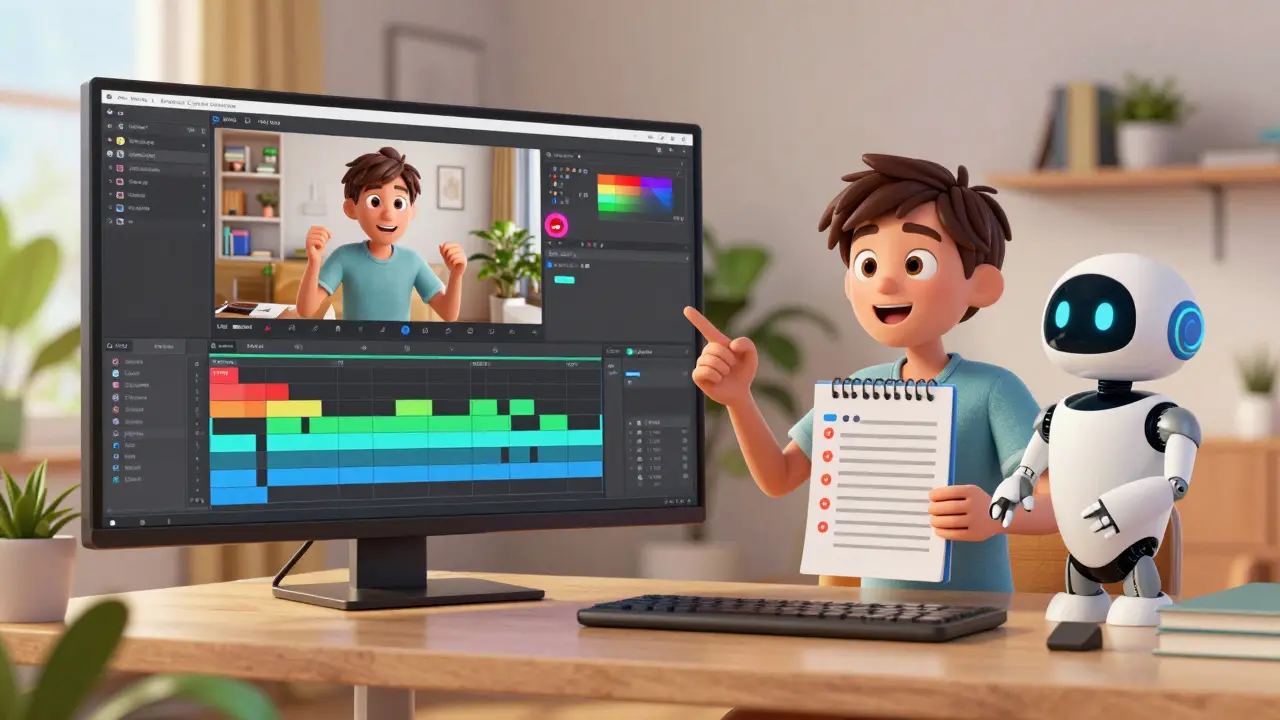
You do not need to be a software engineer, but you must be comfortable with the tools of the trade. In 2026, the standard stack includes Learning Management Systems (LMS), video editing software, and interactive whiteboard tools. Knowing how to use these efficiently saves you hours of work and improves the student experience.
Start by mastering one major LMS, such as Canvas, Moodle, or Teachable. Each has its own quirks. Learn how to automate grading, set up discussion boards, and create quizzes that adapt to student answers. Next, invest time in video editing. Tools like Camtasia or Adobe Premiere Rush allow you to trim silence, add captions, and insert graphics. Captions are not optional anymore; they are essential for accessibility and engagement.
Don't forget about AI tools. Artificial intelligence can help generate quiz questions, summarize readings, and even provide personalized feedback drafts. However, always review AI output carefully. The goal is to augment your teaching, not replace your judgment.
Path 3: Building Engagement Without Burnout
Online teaching can be isolating. Students might never see your face, and you might feel like you are shouting into the void. To combat this, you need strategies for building community and maintaining engagement without spending all day answering emails.
Use asynchronous communication wisely. Instead of replying to every forum post individually, record short video responses using tools like Loom. You can address common questions in one video and link it for everyone. This scales your presence without scaling your workload.
Create peer-to-peer interaction opportunities. Assign group projects where students must collaborate using shared documents or Slack channels. Set clear guidelines for participation so that students hold each other accountable. When students connect with each other, they are less likely to drop out.
Also, protect your own energy. Set strict boundaries for when you are available. Use auto-responders to manage expectations. If you are always "on," you will burn out quickly. Sustainable teaching requires sustainable habits.
Path 4: Specialization and Niche Authority
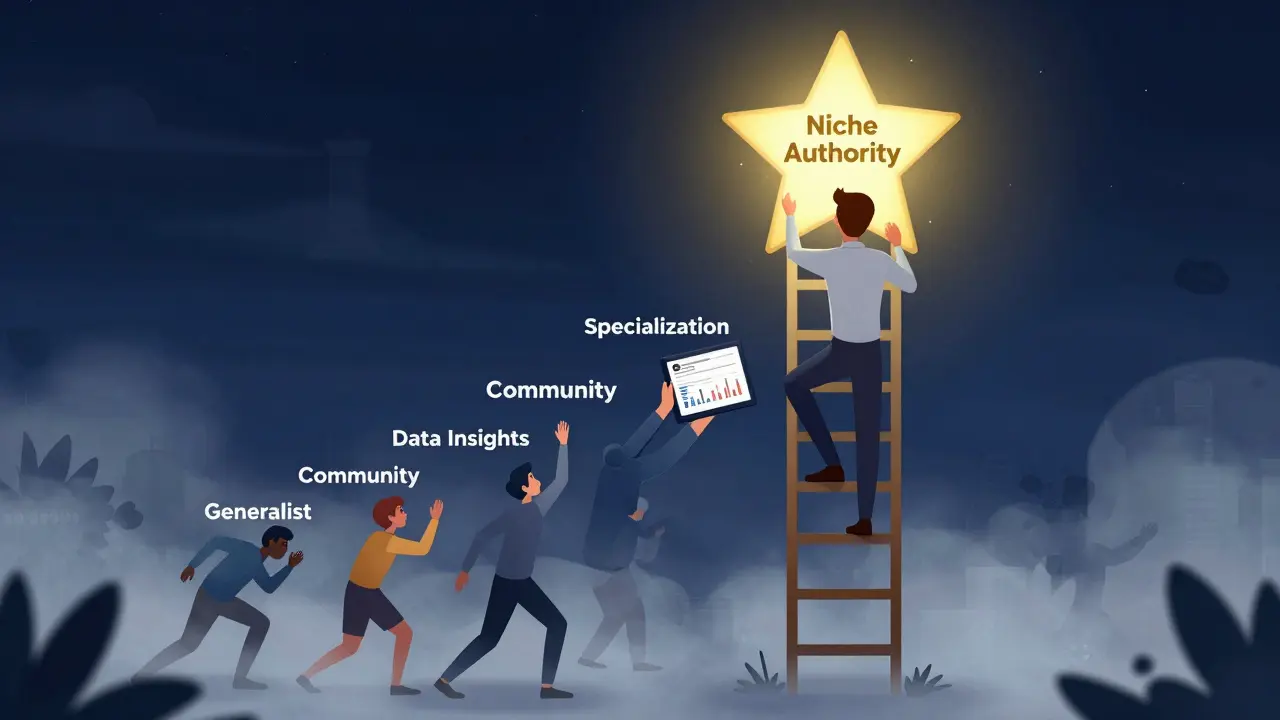
Generalist online educators struggle to stand out. To advance your career, you need to specialize. Choose a niche within your broader field. For example, instead of just "marketing," focus on "email marketing for SaaS startups." This specificity makes you more valuable to a targeted audience.
Build authority by publishing content outside your course. Write blog posts, share tips on LinkedIn, or host free webinars. This establishes you as an expert before students ever pay you. Over time, this reputation allows you to charge higher prices and attract better-quality students.
Consider obtaining industry-specific certifications. If you teach coding, get certified in the latest framework. If you teach finance, maintain your CFA or CPA. These credentials validate your expertise and give students confidence in your instruction.
Path 5: Data-Driven Improvement
One advantage of online education is access to data. You can see exactly where students drop off, which quizzes they fail, and how long they spend on each page. Use this data to improve your courses continuously.
Look for patterns. If 80% of students fail a specific quiz question, the issue is likely with your explanation, not the student's ability. Rewrite the lesson, clarify the instructions, or add a practice example. Test the change and see if scores improve.
Track completion rates and satisfaction scores. Aim for a completion rate above 50%, which is high for online courses. Collect feedback through surveys at the end of each module. Ask specific questions like "What was the most confusing part?" rather than generic "How did you like it?"
Navigating Career Opportunities
There are several ways to monetize your online teaching skills. You can work for corporations as an instructional designer, teach for universities, or run your own independent course business. Each path has different requirements and rewards.
Corporate roles often offer stability and benefits but may involve less creative freedom. University positions require advanced degrees and research output. Independent entrepreneurship offers maximum flexibility and profit potential but requires you to handle marketing, sales, and customer support.
Many educators start by freelancing. Platforms like Upwork or Fiverr allow you to take on small projects like creating slide decks or editing videos. As you build a portfolio, you can command higher rates and eventually transition to full-time roles or launch your own products.
Do I need a degree to become an online educator?
Not necessarily. While academic institutions usually require a master's degree or higher, corporate training and independent course creation often prioritize practical experience and proven results. You can demonstrate expertise through certifications, published work, and successful past projects.
How much does it cost to start an online course?
You can start with very little. Basic equipment like a smartphone camera and free editing software are enough to begin. More advanced setups with microphones, lighting, and premium software might cost between $500 and $2,000. The key is to start simple and reinvest profits into better tools later.
What is the best platform for hosting my course?
It depends on your goals. Teachable and Thinkific are great for beginners who want an all-in-one solution. Kajabi offers more marketing features but at a higher price. If you already have a website, WordPress plugins like LearnDash provide more customization. Consider your technical comfort level and budget when choosing.
How do I keep students engaged in asynchronous courses?
Engagement comes from interaction and relevance. Use short video clips, interactive quizzes, and real-world case studies. Create discussion prompts that require personal reflection. Offer live Q&A sessions occasionally to provide human connection. Most importantly, ensure the content solves a specific problem for the student.
Can I teach online part-time while working another job?
Yes, many educators start part-time. Batch your content creation on weekends or evenings. Automate administrative tasks as much as possible. Start with a single course and expand slowly. This approach reduces risk and allows you to test the market before committing fully.