Public Health Course: Mastering Epidemiology and Health Equity
 Feb, 5 2026
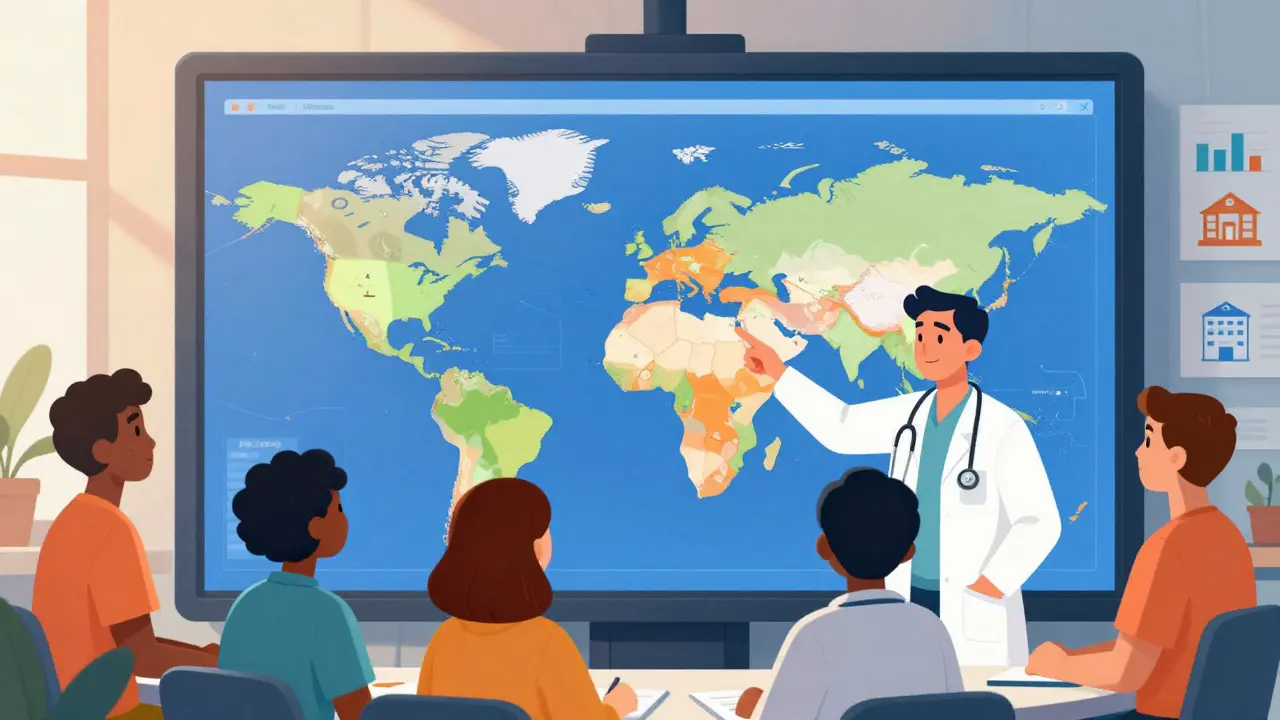
In the wake of the 2020 pandemic, a public health course combining epidemiology and health equity became critical for effective community care. When disease outbreaks hit, tracking spread alone isn’t enough-equity ensures everyone gets fair access to testing, treatment, and prevention. This article explains what such a course covers, why it matters today, and how it prepares you for real-world public health challenges.
Key Takeaways
- Understanding how epidemiology tracks disease patterns and informs responses.
- Learning how health equity principles reduce disparities in healthcare access.
- Real-world examples like pandemic responses where both fields intersect.
- Skills gained: data analysis, policy understanding, community engagement.
- Who should take this: public health workers, students, policymakers.
Why Epidemiology and Health Equity Must Work Together
Epidemiology the scientific study of disease patterns and causes in populations isn’t just about counting cases. It’s about finding why certain groups get sick more often. During the Ebola outbreak in West Africa, contact tracing worked in urban areas but failed in rural communities due to mistrust from past inequities. Similarly, CDC data shows Black communities in the U.S. had 2.5 times higher COVID-19 death rates than white communities-not because of biology, but because of systemic barriers like crowded housing or limited healthcare access. Without health equity, epidemiological data misses the root causes. Health equity Health Equity the principle that everyone should have a fair opportunity to be healthy, regardless of background ensures interventions reach those most at risk. For example, during the 2022 monkeypox outbreak, public health teams combined disease tracking with targeted outreach to LGBTQ+ communities, reducing spread faster than generic campaigns.
What You’ll Learn in the Course
This course breaks down complex topics into actionable skills. You’ll start with Disease Surveillance systems like the CDC’s National Notifiable Diseases Surveillance System. You’ll learn to collect real-time data on outbreaks, spot trends, and predict hotspots. Next, Social Determinants of Health-factors like income, education, or race-shape health outcomes. For instance, zip code data shows asthma rates are 40% higher in low-income neighborhoods due to air pollution from highways. You’ll analyze this data to design interventions. Data Analysis techniques teach you to spot biases. If health surveys skip homeless populations, results hide critical gaps. You’ll also study Public Health Policy, like how Medicaid expansion in some states cut uninsured rates among minorities by 15%. Finally, Community Engagement strategies build trust. During vaccine drives, partnering with local churches or community centers increased uptake by 30% in underserved areas.
Real-World Impact: Case Studies
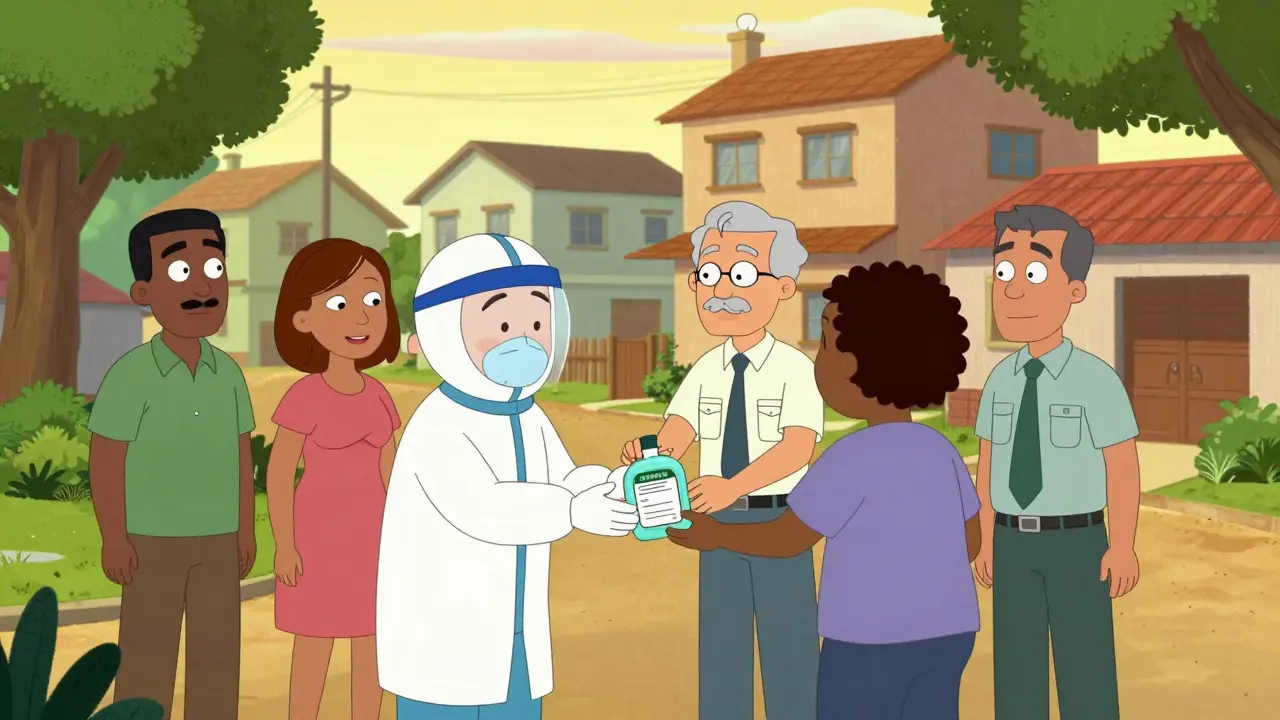
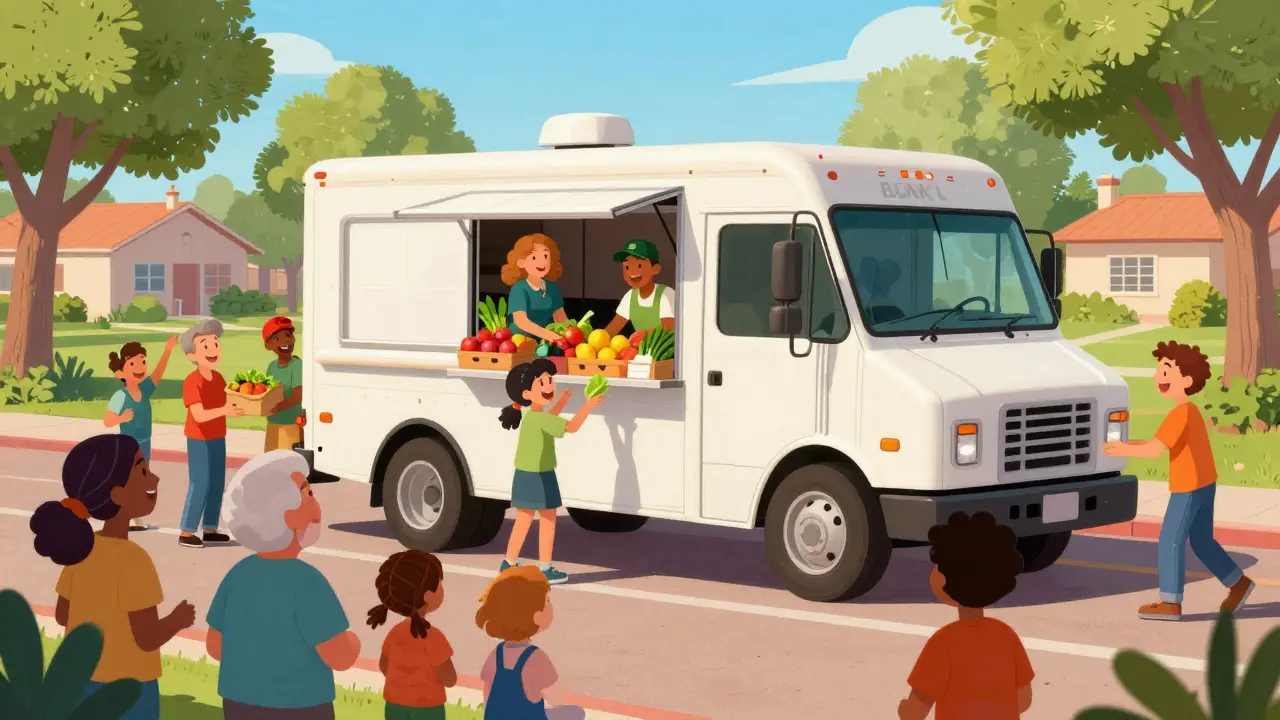
In 2024, Tempe, Arizona, used this course’s framework to tackle diabetes. Epidemiologists mapped high-risk areas using hospital data, while equity teams partnered with food banks to deliver fresh produce. This reduced ER visits for diabetes complications by 18% in low-income neighborhoods. Another example: during the 2023 dengue fever outbreak in Florida, health workers tracked cases through mosquito breeding sites. But they also addressed equity by distributing repellent and window screens to immigrant communities living in older housing. This cut transmission by 25% compared to areas without equity-focused efforts. A 2023 study in the Journal of Public Health found communities with integrated epidemiology and equity training responded 30% faster to outbreaks. These cases prove: data alone doesn’t save lives-equitable action does.
Who Should Take This Course
It’s not just for scientists. Nurses transitioning to community health roles find it invaluable. For example, a nurse in Chicago used equity-focused training to redesign clinic hours for shift workers, cutting no-shows by 20%. Teachers can apply these skills to improve school health programs, especially for students with chronic conditions like asthma. Policymakers learn to craft laws that address root causes. In New York, a policy analyst used course concepts to push for free diabetes screenings in public housing, reaching 10,000 residents. Community organizers gain tools to advocate for clean water or safe parks. Even students without science backgrounds succeed-40% of recent graduates came from social work or education fields. This course meets you where you are.
How This Course Builds Your Career
Professionals with equity training earn 15% more on average, according to a 2025 Bureau of Labor Statistics report. Job roles include epidemiologist (median salary $75,000), health equity specialist ($85,000), and policy analyst ($78,000). These roles are projected to grow 10% by 2030-faster than average. For example, a former teacher in Arizona now works as a health equity coordinator for the state, designing programs for rural communities. She uses GIS mapping skills from the course to identify underserved areas. Another graduate, a social worker, became a data analyst for a nonprofit, using Python to track disparities in maternal health outcomes. These careers aren’t just technical; they’re about changing systems. The course gives you the tools to lead that change.
Frequently Asked Questions
Do I need a science background to take this course?
No. The course starts with basics and builds up. Many students come from social work, policy, or education backgrounds. It’s designed for diverse learners.
How long does the course take?
Typically 8 weeks with 4 hours per week. Self-paced options are available, so you can adjust based on your schedule.
Is this course available online?
Yes. Most public health courses now offer online formats, making them accessible globally. You’ll get access to recorded lectures, discussion forums, and live Q&A sessions.
What tools will I learn to use?
You’ll work with CDC data sets, GIS mapping software for outbreak tracking, and statistical tools like R or Python for analysis. Hands-on projects simulate real-world scenarios.
How does this course differ from traditional public health programs?
Traditional programs often focus on disease tracking alone. This course integrates health equity deeply into every module, ensuring you learn to address systemic barriers alongside technical skills.
michael Melanson
February 5, 2026 AT 11:22This course bridges a critical gap in public health education. It's not just about tracking diseases but understanding why certain communities face higher risks. For example, during the pandemic, Black communities had higher death rates due to systemic barriers, not biology. This course teaches how to address those root causes through data and community engagement. Real-world applications like the diabetes intervention in Tempe show tangible results. It's exactly what professionals need to make a real difference.
lucia burton
February 6, 2026 AT 14:13Absolutely! The synergy between epidemiological surveillance and health equity principles is the cornerstone of effective public health strategy. When we integrate social determinants of health into our models, we can accurately predict and mitigate disparities. For instance, in the Florida dengue outbreak, combining vector surveillance with targeted outreach to immigrant communities reduced transmission by 25%. This course's focus on actionable skills like GIS mapping and policy analysis empowers practitioners to tackle these challenges head-on. It's not just theoretical; it's transformative for real-world applications. We need more professionals trained in this holistic approach to build resilient health systems.
Denise Young
February 7, 2026 AT 08:13I couldn't agree more. Although, let's be real-some folks still think 'health equity' is just a buzzword. But this course cuts through that noise. It's not about 'saving' communities; it's about working *with* them. Like how partnering with local churches for vaccine drives increased uptake by 30%. That's not magic; it's evidence-based community engagement. And yes, data analysis is great, but without equity lens, it's just pretty graphs. This course makes sure you don't miss the forest for the trees. Seriously, if you're in public health and not taking this, you're missing the point.
Sam Rittenhouse
February 8, 2026 AT 11:27Lucia, your point about GIS mapping is spot on. I remember working with a nonprofit where we used spatial data to identify asthma hotspots in low-income neighborhoods. The data showed pollution from highways, but the real breakthrough was when we partnered with community leaders to advocate for green spaces. It wasn't just about the numbers-it was about trust. This course's emphasis on community engagement is what makes it so powerful. It turns data into action that actually helps people. That's the kind of change we need.
Ben De Keersmaecker
February 8, 2026 AT 12:03The course's approach to social determinants is crucial. For example, zip code data showing 40% higher asthma rates in low-income areas due to air pollution-this isn't just a statistic. It's a call to action. Understanding how race, income, and environment intersect is key. I appreciate how the course starts from basics for non-science backgrounds. It's accessible but rigorous. This integration of equity into epidemiology is exactly what public health needs to move forward.
Aaron Elliott
February 9, 2026 AT 13:30While the integration of health equity into epidemiology is theoretically sound, the practical implementation remains fraught with systemic obstacles. The notion that data alone can address deep-rooted inequities is optimistic at best. Historical precedents suggest that without structural overhaul, such courses may merely perpetuate the status quo. Nevertheless, this framework offers a necessary foundation for future discourse.
Chris Heffron
February 10, 2026 AT 18:55Aaron, your point about systemic obstacles is valid. However, I think the course provides actionable tools to address these. For instance, using CDC data sets to identify disparities and then implementing targeted interventions. It's not just theory-it's practical. Also, the course starts with basics, so even those without science backgrounds can contribute. Maybe a bit of both theory and practice? 🤔
Adrienne Temple
February 10, 2026 AT 23:11Chris, you're right! It's all about practical tools. Like how the course teaches using Python to track maternal health disparities. Simple but powerful. And working with communities-like the church example-makes it real. This isn't just for scientists; teachers and social workers can use it too. It's inclusive and hands-on. 🌟
Sandy Dog
February 11, 2026 AT 02:59OH MY GOODNESS this course is EVERYTHING! 🌈 I mean, seriously-when we had the monkeypox outbreak, they didn't just track cases; they reached out directly to LGBTQ+ communities with tailored info. That's how you save lives! It's not just data-it's heart. And the part about zip code asthma rates? SO TRUE. This isn't just a course; it's a revolution in public health. I'm telling everyone I know to take it. It's life-changing. 💖
Nick Rios
February 11, 2026 AT 19:47This course really highlights the importance of community trust. During the pandemic, contact tracing failed in rural areas because of historical mistrust. The course shows how to build that trust through engagement. It's not just about numbers; it's about people. Understanding systemic barriers like housing or healthcare access is key to effective responses. This is exactly the kind of training we need for future public health challenges.
Amanda Harkins
February 12, 2026 AT 09:32So, like, health equity isn't just a side note-it's the whole deal. Like, yeah, tracking diseases is cool, but if only some people get help, what's the point? The course gets into how zip codes affect health outcomes. It's not about blame; it's about fixing the system. Makes you think, you know? Like, why do some communities have it so hard? This course helps you see the bigger picture.
Jeanie Watson
February 13, 2026 AT 10:10This is essential.
Tom Mikota
February 14, 2026 AT 00:32This course? Yes, it's great-really-when it comes to addressing health disparities. But let's be real, some people think 'equity' is just a buzzword. However, the course does teach practical skills like GIS mapping and policy analysis. Which is good. Because data without context is useless. So, yeah, it's good. But maybe not for everyone. Some people just don't care. Or don't get it. But hey, it's something.
Ronak Khandelwal
February 15, 2026 AT 05:49This course is a beacon of hope for public health! 🌍 Equity and epidemiology together-this is how we create real change. For example, in India, similar approaches have reduced maternal mortality by addressing social factors. The course doesn't just teach; it inspires action. It's about empowering communities, not just collecting data. We need more of this! 🌟
Jeff Napier
February 16, 2026 AT 16:46Epidemiology without equity is just propaganda. Governments use data to control people. This course is part of the system. Why should we trust it? Real change comes from overthrowing structures not courses. Data is a tool for oppression. Equity is a myth. This is all just another way to keep the status quo.
Sibusiso Ernest Masilela
February 16, 2026 AT 23:46This course is merely a superficial attempt to address deep systemic issues. True equity requires dismantling colonial structures, not some academic exercise. The examples cited are trivial compared to the real challenges faced by marginalized communities. This is performative activism at best. Anyone taking this course without understanding the true depth of inequality is wasting their time.
Daniel Kennedy
February 17, 2026 AT 08:57This course is vital. The example of Tempe's diabetes intervention shows how combining data with community engagement works. But we need more than just courses-we need policy changes. However, this training is a crucial step. It equips professionals to push for systemic change. If you're in public health, this is non-negotiable. We can't ignore equity anymore. It's time to act.