AI Cheating Prevention: How to Stop Fraud in Online Learning
When students use AI cheating prevention, the methods and tools used to detect and stop students from using artificial intelligence to complete assignments, exams, or projects without learning. Also known as AI detection in education, it's no longer optional—it's the new baseline for trust in online learning. If you’re teaching or running courses online, you’ve probably seen essays that sound too perfect, code that’s oddly polished, or quiz answers that match AI-generated patterns. That’s not talent—it’s trickery. And it’s spreading fast.
AI cheating prevention isn’t just about catching fraud. It’s about protecting the value of what students earn. A certificate means nothing if the skills behind it were generated by a bot. That’s why schools and course providers are turning to AI detection tools, software that analyzes writing style, pattern consistency, and linguistic anomalies to flag AI-generated content. Tools like Turnitin, GPTZero, and Copyscape now have AI-specific scanners built in. But tech alone won’t fix this. You also need academic integrity, a culture where honesty is expected, rewarded, and enforced through clear rules and consequences. That means designing assessments that can’t be easily outsourced to AI—like live oral exams, project-based tasks with iterative feedback, or real-time problem solving under observation.
Some instructors try to ban AI entirely. That doesn’t work. Students will still find ways around it. Instead, teach them how to use AI responsibly. Show them how to prompt it for ideas, not answers. Make them explain their thought process in writing or video. Ask them to compare their own draft with an AI-generated version. That turns AI from a cheat tool into a learning partner. And when you do that, you’re not just preventing cheating—you’re building better learners.
This collection of posts gives you real strategies used by course providers who’ve seen the problem up close. You’ll find guides on setting up plagiarism prevention, systems that detect copied or AI-generated content across assignments and assessments, how to redesign assessments so AI can’t replace learning, and how to train instructors to spot the signs. You’ll also see how legal and technical protections—like MFA in LMS, multi-factor authentication that ensures only the enrolled student can access assessments—add layers of security to keep the process fair. None of this is theoretical. These are the same tactics used by platforms managing thousands of students daily.
By the end of this collection, you won’t just know how to catch AI cheating—you’ll know how to design courses where cheating doesn’t even make sense.
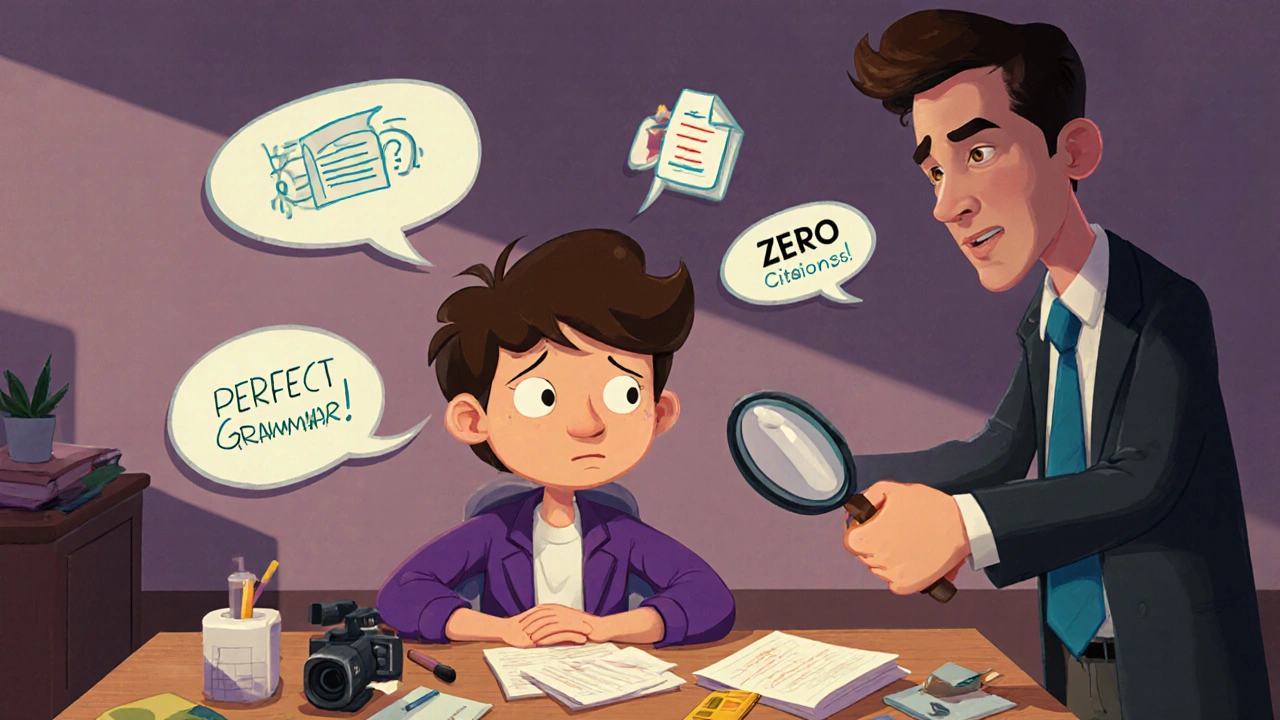
Guardrails for Plagiarism and AI-Assisted Cheating Prevention in Modern Classrooms
AI is changing how students complete assignments - and traditional plagiarism tools can't keep up. Learn practical, proven guardrails to prevent AI-assisted cheating while fostering genuine learning.