AI Tools in Education: How Smart Tech Is Changing How We Learn
When you hear AI tools in education, software systems that use artificial intelligence to improve teaching, learning, or administration. Also known as intelligent tutoring systems, they don’t replace teachers—they help them see what students need before they even ask. Think of it like a fitness tracker for learning: it notices when someone’s stuck, when they’re bored, or when they’re ready to move faster—and adjusts in real time.
These tools aren’t science fiction. They’re already in use in platforms like Moodle and Canvas, quietly analyzing how long students spend on a video, which quiz questions they miss repeatedly, or even how often they reread a section. That data feeds into adaptive learning, a method where content changes based on a learner’s performance and behavior, turning one-size-fits-all courses into ones that feel made just for you. And it’s not just about pushing more content—it’s about removing friction. If you keep missing questions on risk management, the system might surface a short video from a trader who failed, then rebuilt their strategy. That’s not theory. That’s real experience, served at the right moment.
Behind the scenes, learning analytics, the collection and analysis of data about learners and their contexts is what makes this possible. It’s how instructors spot patterns: maybe 70% of students drop off after Module 3, or people who watch videos in the morning complete 40% more lessons. That’s not guesswork. That’s actionable insight. And it’s not just for big schools. Even solo course creators use these tools to fix what’s broken before they lose another student.
What you’ll find in this collection aren’t hype-filled product reviews. These are real, practical guides written by people who’ve built, tested, and fixed these systems. You’ll learn how to embed videos so AI can track engagement, how to design A/B tests that actually improve completion rates, and how to use data to stop students from slipping through the cracks. You’ll see how LMS integration, connecting AI tools directly into learning platforms to share data and automate responses turns scattered tools into a unified system that works for both teachers and learners.
This isn’t about replacing human judgment. It’s about giving educators the clarity they need to make better decisions—faster. Whether you’re running a course, designing one, or just trying to learn better, these tools are already changing the game. The question isn’t whether you should use them. It’s how soon you’ll start using them right.
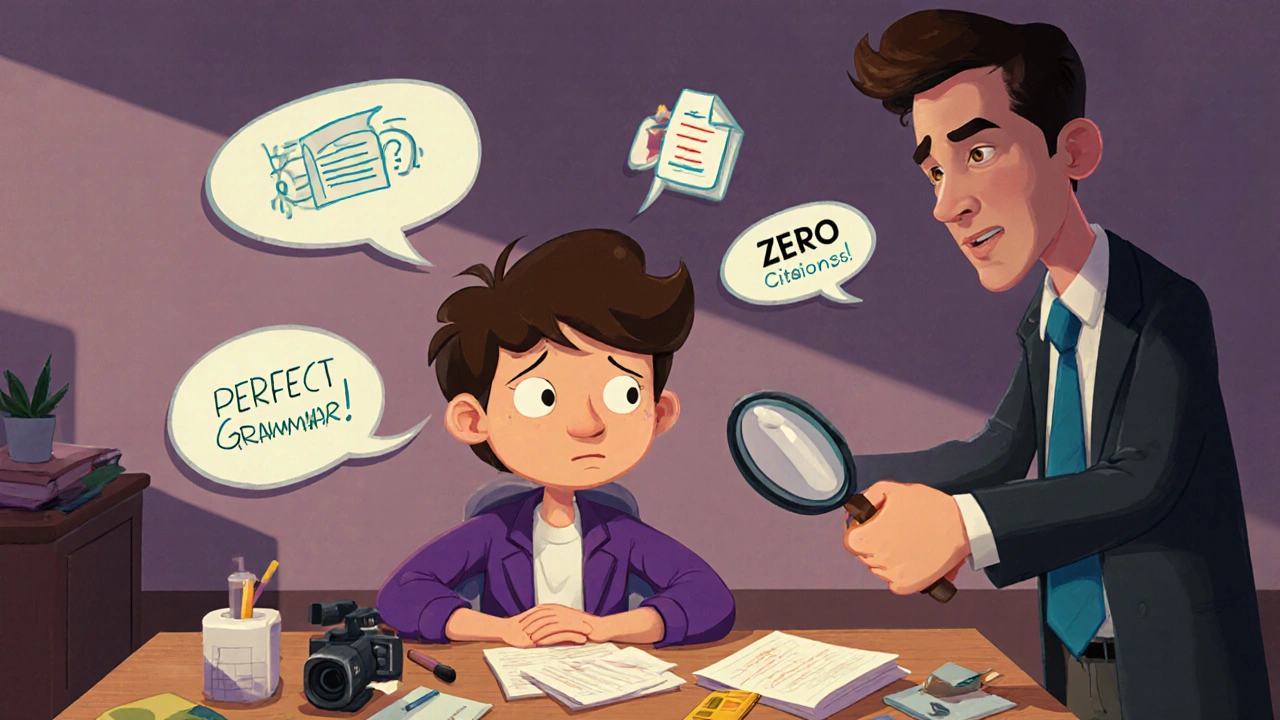
Guardrails for Plagiarism and AI-Assisted Cheating Prevention in Modern Classrooms
AI is changing how students complete assignments - and traditional plagiarism tools can't keep up. Learn practical, proven guardrails to prevent AI-assisted cheating while fostering genuine learning.