Certification Exams: What You Need to Know to Pass and Stay Compliant
When you take a certification exam, a formal test used to prove you have the skills or knowledge required for a job or profession. Also known as professional certification tests, they’re not just paperwork—they’re gateways to better jobs, higher pay, and real credibility in fields like finance, healthcare, tech, and education. But not all exams are created equal. Some are poorly designed, biased, or inaccessible. Others follow strict rules to make sure everyone gets a fair shot—no matter their background or abilities.
That’s where ADA compliance, legal requirements under the Americans with Disabilities Act that ensure exams are accessible to people with disabilities. Also known as accessible testing standards, they force testing providers to offer things like extra time, screen readers, or quiet rooms. If you need an accommodation, you’re not asking for special treatment—you’re asking for equal access. And providers who ignore this risk lawsuits and lose trust. Meanwhile, exam accommodations, adjustments made to testing conditions so people with disabilities can demonstrate their true knowledge. Also known as reasonable modifications, they include everything from enlarged print to speech-to-text software. These aren’t perks. They’re legal rights backed by WCAG standards, global guidelines for making digital content accessible, including online exams and learning platforms. Also known as web accessibility guidelines, they’re used by schools, employers, and certification bodies to avoid excluding people.
Certification exams aren’t just about memorizing facts. They’re tied to real-world outcomes. A medical assistant certification doesn’t just look good on a resume—it means you can safely handle patient care. A compliance certification isn’t just a checkbox—it keeps your company from getting fined. That’s why so many posts in this collection focus on what happens behind the scenes: how courses are designed to prepare you, how learning systems protect your data, how feedback loops improve your chances of passing, and how invisible barriers can trip you up even if you know the material.
You’ll find guides here on how to request accommodations, what to expect from a proctored exam, how to spot a shady certification provider, and why some exams are easier to pass than others—not because you’re not smart, but because they’re poorly built. You’ll also see how companies are using data to make exams more accurate, how AI is changing how skills are measured, and why the best certifications don’t just test knowledge—they test your ability to apply it under pressure.
Whether you’re studying for your first license, switching careers, or just trying to get past a frustrating test, this collection gives you the real talk: no fluff, no hype, just what works. What you’re about to read isn’t just about passing exams—it’s about making sure they’re fair, useful, and actually worth your time.
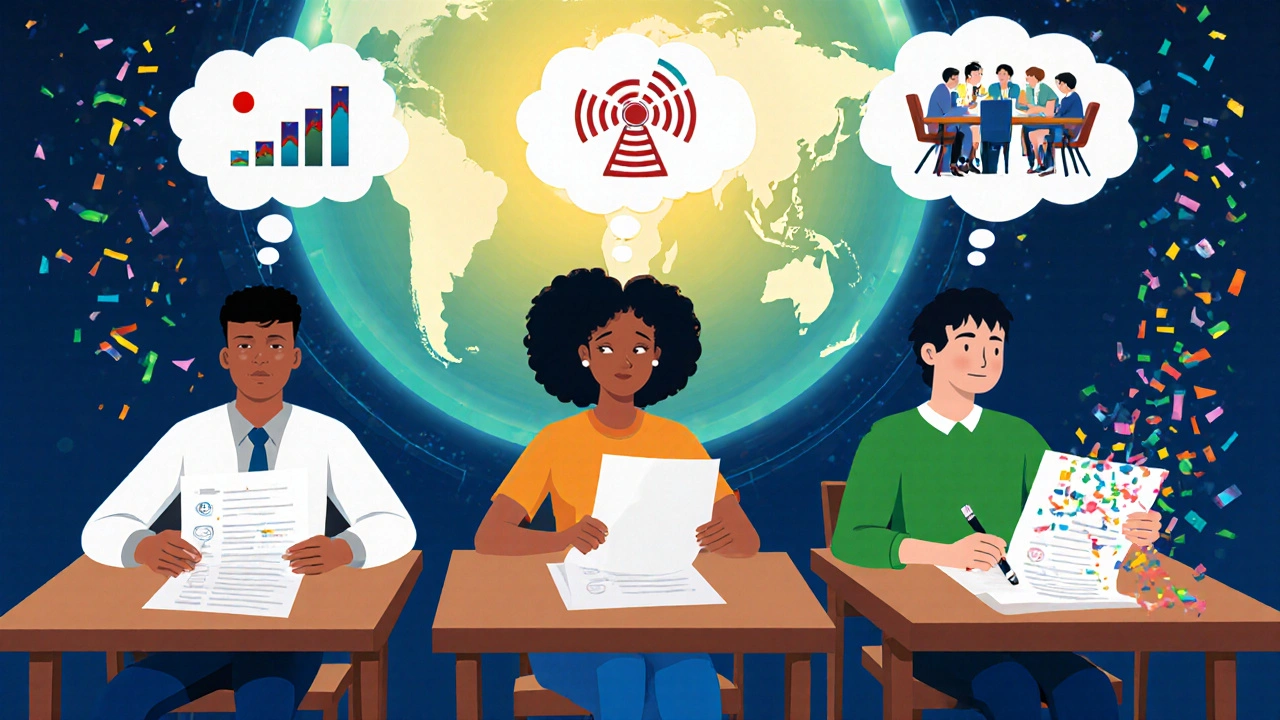
Internationalization of Certification Exams: Language and Culture
Internationalizing certification exams means more than translation-it requires adapting content to cultural norms and real-world contexts. Learn how global providers ensure fairness and accuracy across languages and regions.