Cultural Adaptation in Learning: Why It Matters for Online Courses and Career Growth
When you learn something new—whether it’s trading, coding, or a language—your brain doesn’t just absorb facts. It also tries to make sense of them through the lens of your culture. cultural adaptation, the process of adjusting how you learn, communicate, and respond based on social norms and shared values. Also known as cross-cultural learning, it’s not optional in online education—it’s the hidden engine behind retention, trust, and real skill-building. If your course feels confusing, dry, or even alienating, it’s often not because the content is bad. It’s because it doesn’t match how you think, speak, or relate to authority, feedback, or time.
Think about it: in some cultures, asking questions in class is seen as disrespectful. In others, silence means you’re lost. Some learners need step-by-step instructions. Others thrive on open-ended challenges. language learning, a field where cultural context determines whether you sound fluent or just grammatically correct, already knows this. That’s why courses that teach greetings, tone, and social cues outperform those that only drill verbs. The same logic applies to trading courses. If your instructor uses American-style direct feedback but you come from a culture where criticism is delivered indirectly, you’ll shut down—even if the strategy is solid. online course engagement, the measure of how learners stay involved and apply what they learn drops sharply when cultural mismatches go unaddressed.
This isn’t about political correctness. It’s about effectiveness. Studies show learners who feel understood stay 40% longer in courses. They ask better questions. They take more risks. They actually use what they learn. That’s why the best course designers don’t just translate content—they adapt structure, pacing, examples, and even feedback styles. A study group that works in the U.S. might fail in Japan because of how silence is interpreted. A gamified leaderboard that motivates one group can shame another. cross-cultural communication, the ability to exchange information clearly across cultural boundaries isn’t a soft skill—it’s a technical requirement for any course that wants real results.
And it’s not just about students. Instructors need cultural awareness too. A mentor from a high-power-distance culture might unintentionally discourage questions. A platform designed for individual achievement might alienate learners from collectivist backgrounds. The posts in this collection don’t just talk about theory—they show you how to fix this. You’ll find real examples: how to design feedback that lands, how to build community without forcing participation, how to test content with diverse learners before launch, and how to spot hidden cultural barriers in your own course.
Whether you’re building a course, taking one, or trying to grow in a global trading career, ignoring cultural adaptation is like trying to trade without risk management. You might win a few trades—but eventually, the cost catches up. Below, you’ll find practical guides from people who’ve seen this problem up close—and solved it. No theory. No fluff. Just what works when culture is part of the equation.
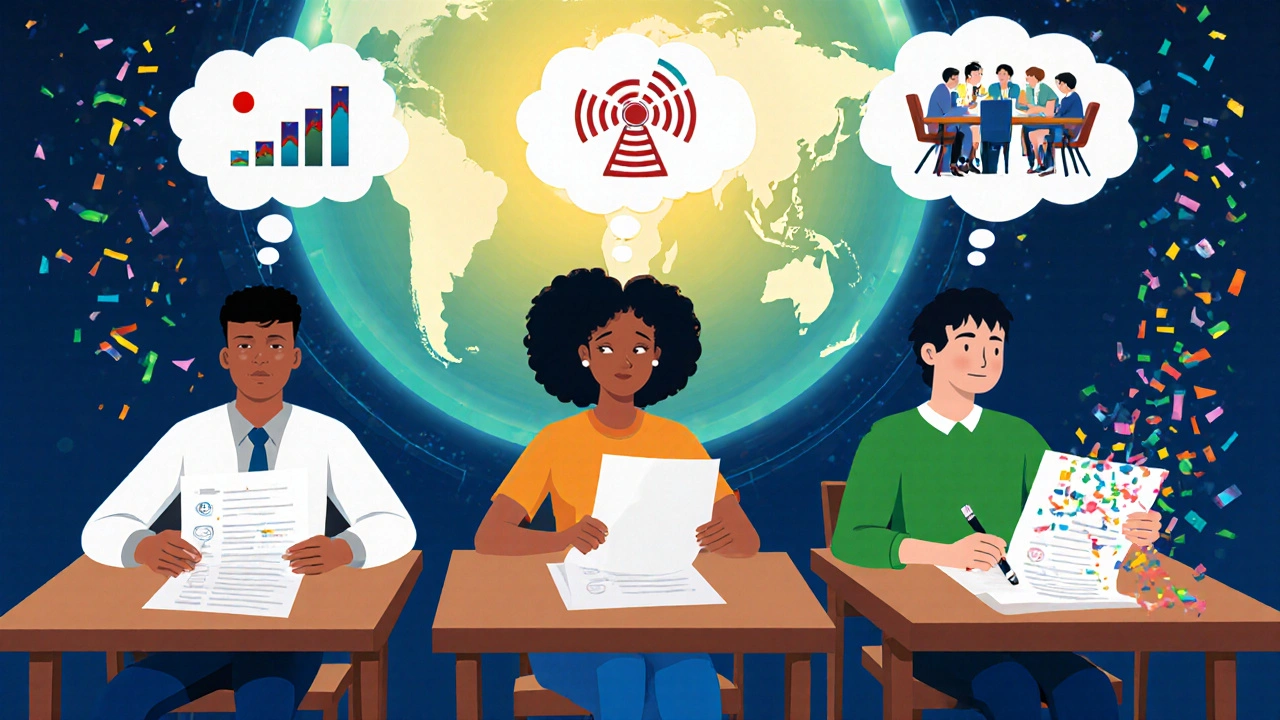
Internationalization of Certification Exams: Language and Culture
Internationalizing certification exams means more than translation-it requires adapting content to cultural norms and real-world contexts. Learn how global providers ensure fairness and accuracy across languages and regions.