Experiment Design: How to Test Ideas That Actually Work in Trading and Learning
When you're trying to figure out if a new trading strategy works, or if a study method actually helps people learn, you're doing experiment design, a systematic way to test cause-and-effect relationships using controlled conditions and measurable outcomes. Also known as A/B testing, it’s not just for scientists—it’s how successful traders and course creators separate luck from skill. Without it, you’re just guessing. You think a new indicator makes you profitable? Maybe. But without testing it against real data, you’re just chasing ghosts.
Good experiment design, a systematic way to test cause-and-effect relationships using controlled conditions and measurable outcomes means you control variables, track results, and avoid bias. It’s how you know if a new lesson format boosts student retention, or if a 5-minute trade setup actually beats a 30-minute one. You don’t just ask people what they think—you watch what they do. That’s why posts on learning systems, digital platforms designed to deliver, track, and manage educational content talk about A/B testing, a method of comparing two versions of a process to determine which performs better for course engagement. And why traders who stick around test their entries, exits, and risk rules—not just hope they work.
You’ll find posts here that show how to design real experiments: how to set up a fair test for a trading signal, how to measure if a new study group format actually improves results, or how to spot when a "breakthrough" is just noise. These aren’t theoretical ideas—they’re tools used by instructors who track dropout rates, traders who log every trade, and course creators who tweak layouts based on what learners actually do. You don’t need fancy stats. You need a clear question, a way to measure, and the discipline to ignore your gut when the data says otherwise.
Experiment design isn’t about being right. It’s about finding out what works before you bet your time, money, or reputation on it. Whether you’re building a course, refining a trading plan, or trying to get better at anything, the right test turns confusion into clarity. Below, you’ll find real examples of how people in trading, education, and tech used simple experiments to fix what wasn’t working—and make what did work even better.
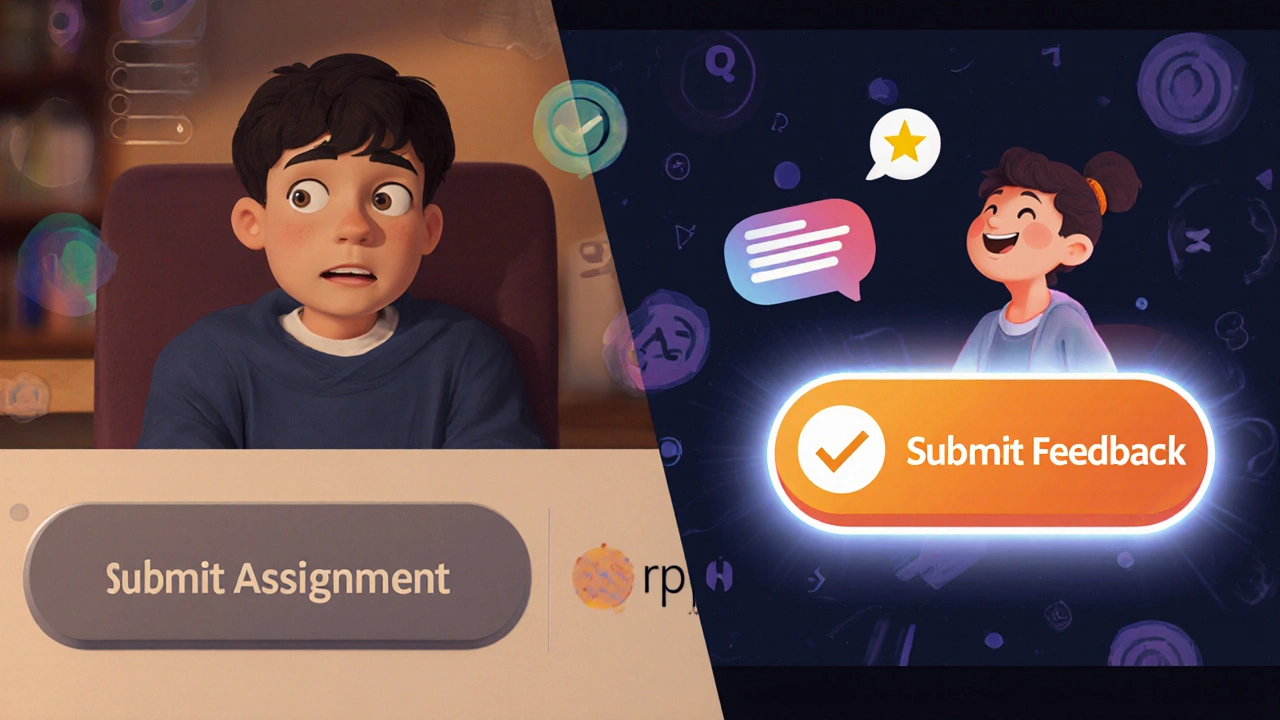
How to Design Effective A/B and Multivariate Tests for Instructional Content
Learn how to design effective A/B and multivariate tests for online courses using real learning analytics. Improve completion rates, engagement, and knowledge retention with data-driven instructional changes.