Immersive Education: How Hands-On Learning Builds Real Trading Skills
When you think about immersive education, a learning approach that pulls you into real-world scenarios instead of just reading about them. Also known as experiential learning, it’s what separates traders who survive from those who quit. It’s not about watching videos or memorizing candlestick patterns. It’s about doing—making trades in simulated markets, feeling the pressure of a losing streak, and learning how to stick to your plan when your gut screams to bail.
Real online learning, a flexible way to access training from anywhere, often with interactive tools and peer support doesn’t have to be boring. Look at the posts here: from embedding videos in LMS platforms to designing assignment rubrics that actually guide learning, the focus is on making every minute count. You’ll find guides on trading education, structured programs that teach not just strategy, but discipline, psychology, and risk control—like how to build a trading plan that works under stress, or how to avoid liquidations in crypto by using real data from 2024. These aren’t theories. They’re tools used by people who turned learning into income.
Immersive education means you’re not just a student—you’re a participant. You’ll see how study groups boost retention, how nurture sequences turn leads into committed learners, and how AI cheating prevention keeps training honest. You’ll learn how to use Canva for trading reports, how to set up multi-factor authentication for your LMS, and how to design a communication course that changes how professionals speak at work. These skills don’t exist in isolation. They’re all part of the same system: one where learning is active, measurable, and tied to real outcomes.
There’s no magic formula. But there is a pattern: the best learners don’t wait to be told what to do. They jump in, make mistakes, fix them, and repeat. That’s what the posts in this collection are built around—action over theory, feedback over lectures, and results over certificates. Whether you’re just starting out or trying to level up, what you’ll find here isn’t a textbook. It’s a toolkit.
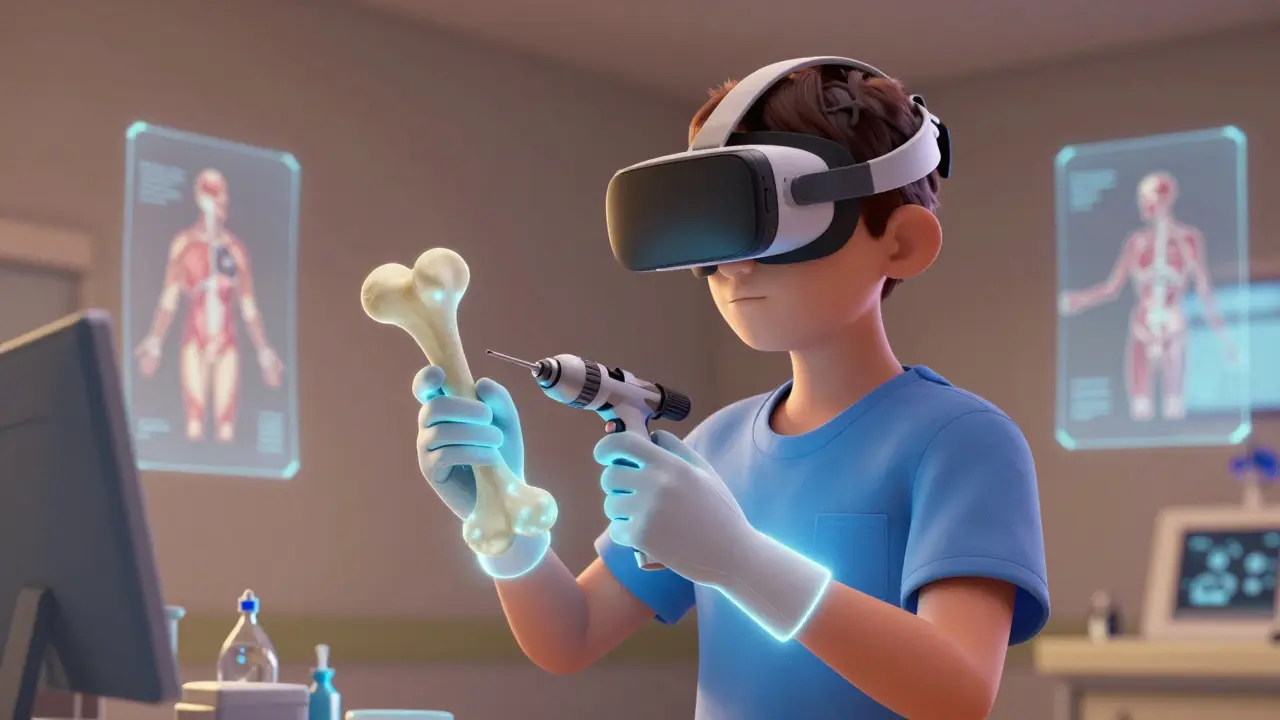
Haptics and Tactile Feedback: How Hands-On VR Learning Builds Real Skills
Haptics and tactile feedback in VR transform learning by letting users feel what they're doing. From surgery to firefighting, touch-based training builds muscle memory faster and more safely than videos or textbooks.
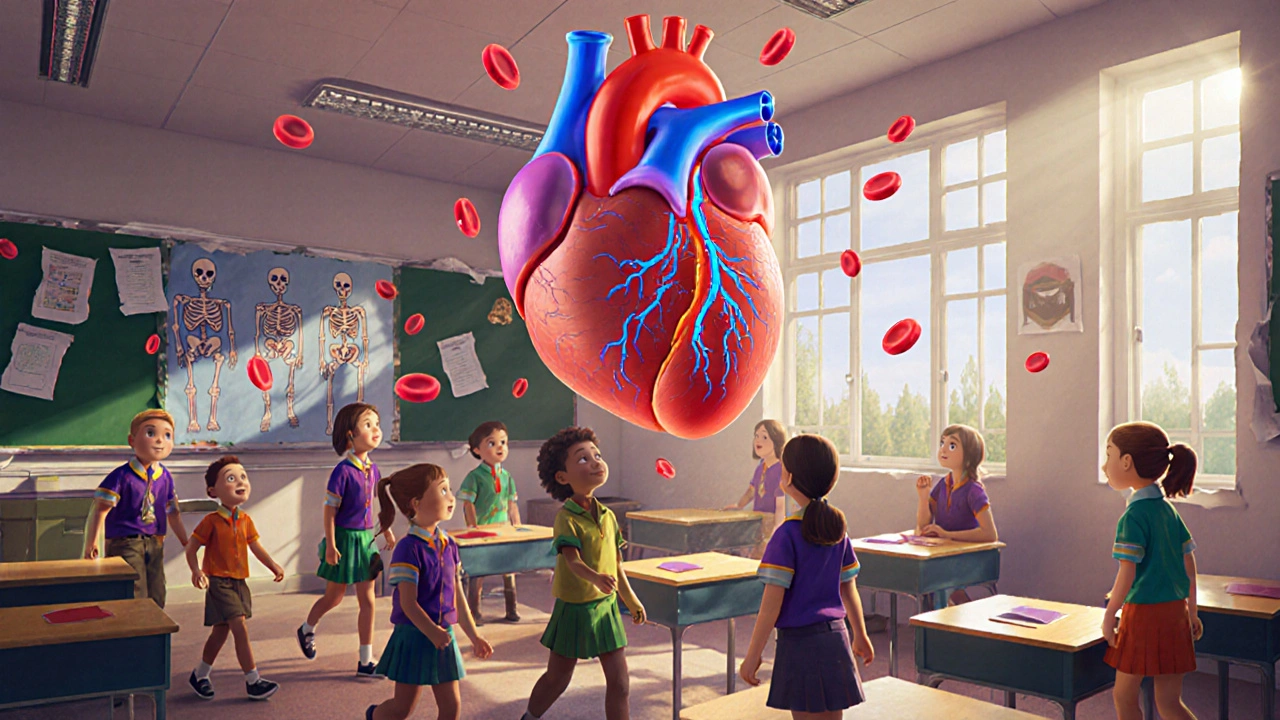
Augmented Reality in Education: How to Design Interactive Learning Environments
Augmented reality in education transforms how students learn by turning abstract concepts into interactive 3D experiences. Learn how to design effective AR learning environments that boost retention, engagement, and accessibility without expensive gear.