Internationalization in Education: How Global Learning Works Today
When we talk about internationalization, the process of adapting education for global audiences by respecting language, culture, and accessibility needs. Also known as global education design, it’s not just about translating text—it’s about rebuilding how learning feels for someone in a different country, time zone, or cultural context. Most courses fail here. They slap on a Spanish translation and call it done. But if your course assumes everyone knows what a 401(k) is, or uses idioms like "hit the ground running," you’re not helping—you’re excluding.
True internationalization, the process of adapting education for global audiences by respecting language, culture, and accessibility needs. Also known as global education design, it’s not just about translating text—it’s about rebuilding how learning feels for someone in a different country, time zone, or cultural context. needs to handle more than language. It needs to handle cultural context, the social norms, values, and communication styles that shape how people understand information. Also known as cultural fluency, it’s what turns a grammar lesson into real conversation. Think about how a simple phrase like "time is money" means nothing in cultures where relationships come before deadlines. Or how a video demo using American football to explain risk management will confuse learners in countries where soccer dominates. These aren’t small details—they’re dealbreakers.
And then there’s accessibility, the practice of designing learning materials so they work for people with disabilities, regardless of language or location. Also known as inclusive design, it’s the backbone of any real global strategy. If your course only works with a mouse, or relies on audio without captions, you’re shutting out millions. The ADA and WCAG standards aren’t just legal boxes to check—they’re the minimum bar for anyone serious about reaching a global audience. And when you combine accessibility with cultural awareness, you don’t just make content usable—you make it trusted.
What you’ll find below isn’t a list of theory. It’s a collection of real, practical work from people who’ve built learning systems that actually cross borders. You’ll see how to test language levels with CEFR, design courses that respect local norms, use micro-learning for busy global professionals, and build communities where people from different countries feel seen—not just translated. This isn’t about making things look the same everywhere. It’s about making them work the same way—for everyone.
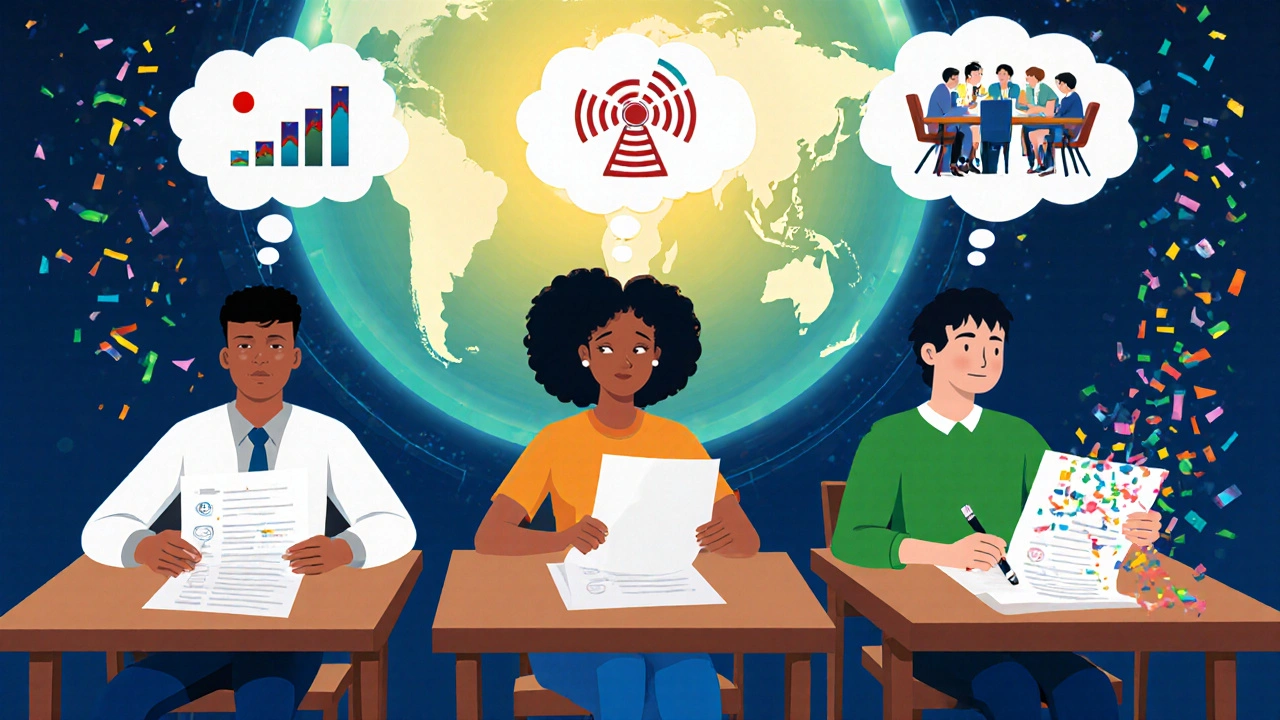
Internationalization of Certification Exams: Language and Culture
Internationalizing certification exams means more than translation-it requires adapting content to cultural norms and real-world contexts. Learn how global providers ensure fairness and accuracy across languages and regions.