Learning Disabilities in Education: Accommodations, Tools, and Inclusive Strategies
When we talk about learning disabilities, neurological differences that affect how people process, retain, or express information. Also known as specific learning disorders, they include dyslexia, dyscalculia, ADHD, and processing disorders—none of which reflect intelligence, but all of which require intentional design to support. Too many online courses assume everyone learns the same way. That’s not just outdated—it’s exclusionary. A student with dyslexia doesn’t need to read faster; they need text-to-speech and clear layout. A student with ADHD doesn’t need more focus; they need shorter modules and built-in breaks. These aren’t special favors—they’re basic accessibility.
Disability accommodation, legally required adjustments that remove barriers to learning isn’t about lowering standards. It’s about changing how the material is delivered so the standard can be reached. The ADA compliance, federal law requiring equal access in education and public spaces doesn’t say you have to make things easier—it says you have to make them reachable. That means captioned videos, alternative text for images, flexible deadlines, and options for how students show what they know. And it’s not just legal. It’s practical. Studies show inclusive design improves outcomes for everyone, not just those with diagnosed needs.
What you’ll find in this collection aren’t theory-heavy papers or generic checklists. These are real, battle-tested strategies from instructors who’ve seen students struggle—and then thrive—because of small, smart changes. You’ll learn how to build inclusive education, learning environments designed from the start to serve diverse learners without overhauling your entire course. How to use adaptive learning, systems that adjust content delivery based on individual progress and needs to match pacing without manual tracking. How to turn a frustrating assignment into a win for a student who thinks differently. And how to avoid the common mistake of treating accommodation as a last-minute fix instead of a core part of course design.
This isn’t about pity. It’s about precision. The right accommodation isn’t a crutch—it’s a key. And the people who build these courses? They’re not heroes. They’re just smart teachers who stopped guessing and started listening. What you’re about to read is their playbook.
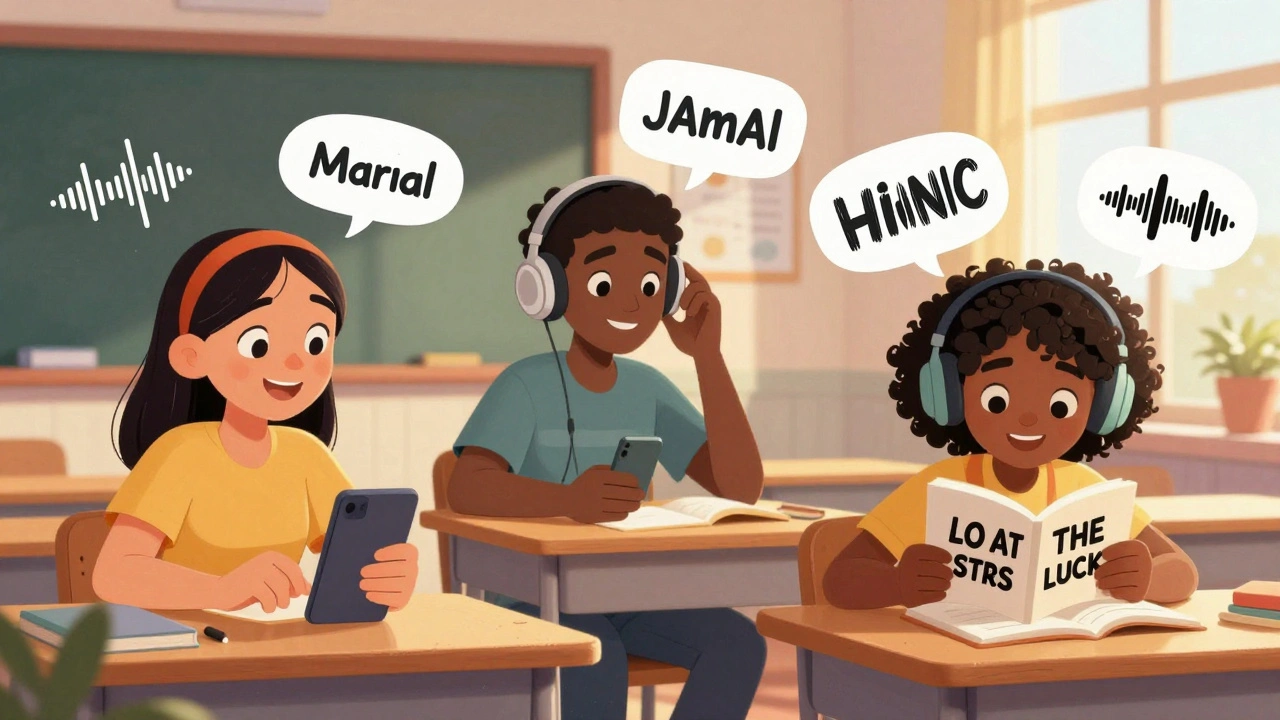
How to Build Inclusive Learning Experiences for All Learners
Learn how to create mobile learning experiences that work for everyone-regardless of ability, age, or background. Practical steps for inclusive design, real-world examples, and simple fixes anyone can apply today.