Learning Management System: What It Is and How It Powers Online Courses
When you take an online course, whether it’s about trading, legal compliance, or nursing certification, you’re likely using a learning management system, a software platform that delivers, tracks, and manages educational content and learner progress. Also known as an LMS, it’s the invisible engine behind everything from quiz scores and video lessons to certificate downloads and community forums. Without it, most online learning would be a mess of scattered PDFs and broken links. The best LMS doesn’t just host content—it keeps learners engaged, holds them accountable, and gives instructors real insights into what’s working.
Behind every successful online course is a system that handles more than just videos and slides. A good learning management system, a software platform that delivers, tracks, and manages educational content and learner progress. Also known as an LMS, it’s the invisible engine behind everything from quiz scores and video lessons to certificate downloads and community forums. supports features like progress tracking, automated reminders, and secure proctored exams. It’s what makes gamification possible—badges, streaks, and leaderboards all run on the LMS. It’s also what keeps legal and privacy rules in check, ensuring things like FERPA compliance and data protection aren’t afterthoughts but built-in functions. Platforms like Thinkific or Teachable are LMS tools, but so are custom-built systems used by universities and corporate trainers. The key isn’t the brand—it’s whether the system supports the learning goals.
Think about the posts you’ll find below. They’re all connected by one truth: great learning doesn’t happen in a vacuum. It needs structure. That’s where the learning management system comes in. Whether it’s enabling micro-learning modules for busy employees, hosting escape room-style puzzles to boost retention, or letting instructors run themed office hours inside a branded mobile app, the LMS is the stage. It’s also what makes content moderation, user testing for disabled learners, and white-label apps possible. You can’t have ethical leadership training or legal compliance courses that stick unless the platform behind them is reliable, secure, and designed for real human behavior—not just tech specs.
What you’ll find here isn’t a list of software reviews. It’s a collection of real-world insights from people who’ve built, used, and improved learning systems. From how to design a course that actually gets completed to the legal clauses every LMS owner must include, these posts cut through the noise. You’ll learn what works, what doesn’t, and why some platforms fail even when they look fancy. This isn’t about picking the best tool—it’s about understanding how the tool shapes the learning experience.
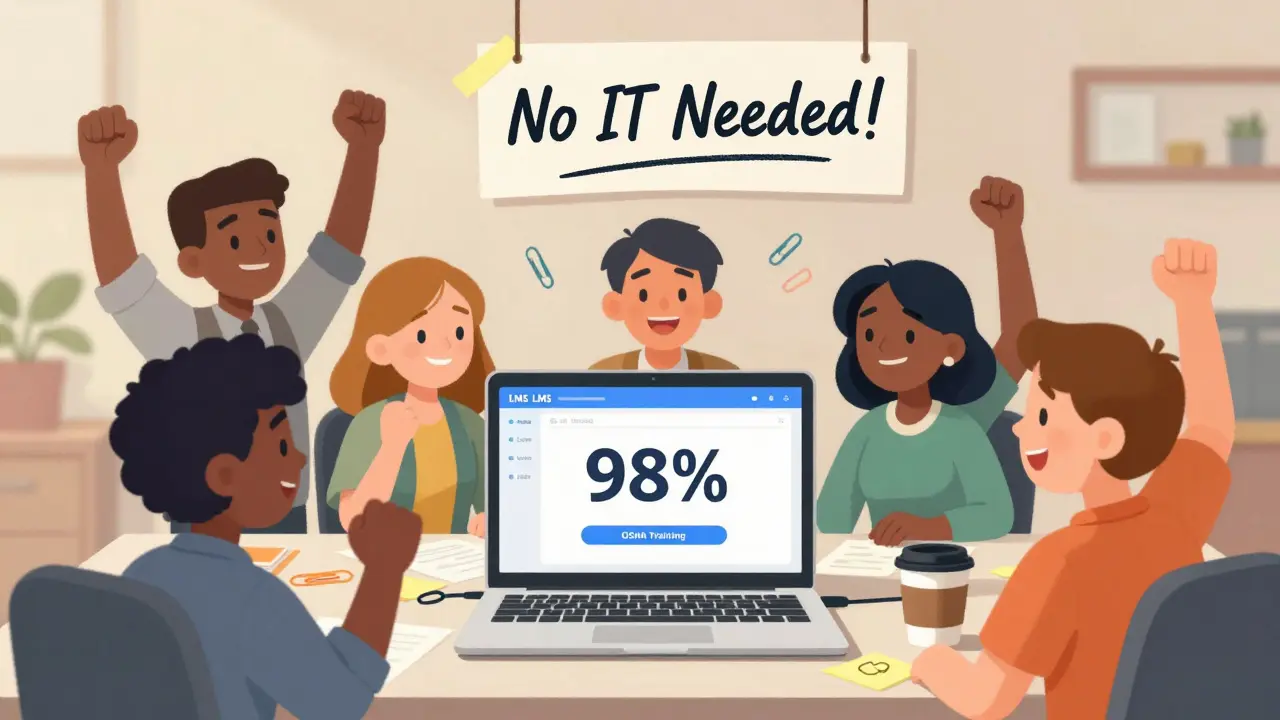
TalentLMS vs Docebo: Which Corporate LMS Works Best for SMB Training?
TalentLMS and Docebo both serve corporate training needs, but for SMBs, TalentLMS offers simplicity and affordability, while Docebo delivers advanced features at a higher cost. Learn which fits your team’s size and goals.
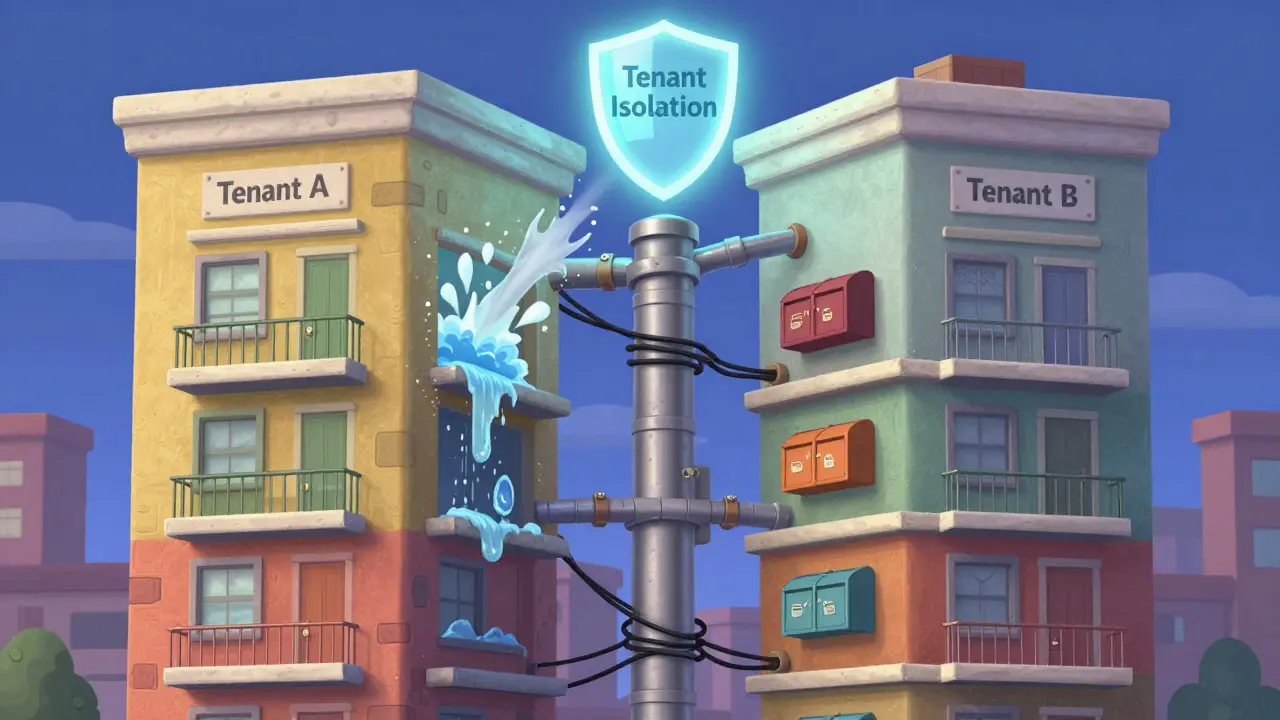
Multi-Tenancy Considerations for LMS Implementations
Multi-tenancy in LMS platforms lets multiple organizations share one system securely. Learn key considerations for data isolation, security, performance, and customization to avoid costly failures in your implementation.
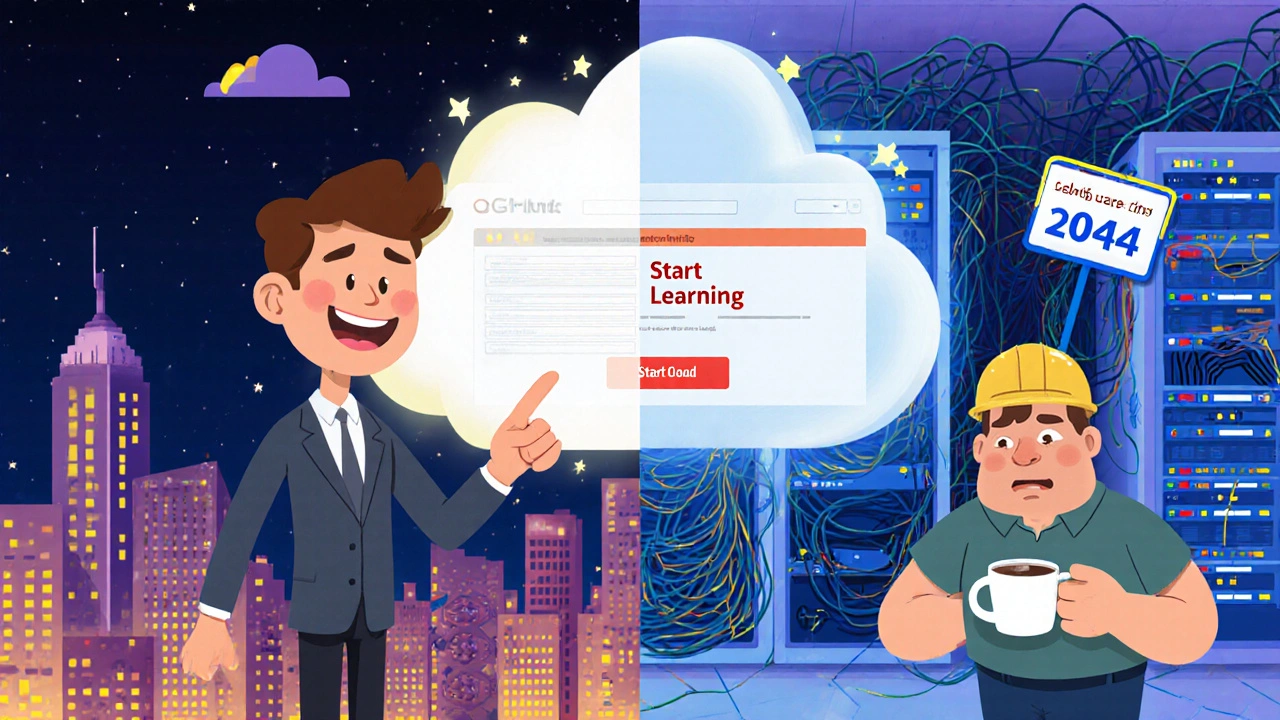
Cloud-Based vs Self-Hosted LMS: Which Is Right for Your Organization?
Cloud-based and self-hosted LMS options offer different trade-offs in cost, control, and security. Learn which one fits your organization's size, tech capacity, and compliance needs.