LMS Security: Protect Your Online Courses from Data Breaches and Unauthorized Access
When you run an online course, your LMS security, the set of measures that protect a learning management system from unauthorized access, data leaks, and cyberattacks. Also known as e-learning platform security, it’s not just about firewalls—it’s about trust. If students can’t be sure their personal info, payment details, or progress data are safe, they won’t stay. You’re not just teaching trading, ethics, or nursing—you’re handling sensitive data. A single breach can cost you students, reputation, and even legal fines.
LMS security isn’t one thing. It’s a chain: data encryption, the process of scrambling student information so only authorized users can read it keeps logs and grades unreadable to hackers. access controls, rules that decide who can see what inside your course platform stop students from snooping on each other’s progress or instructors from accidentally deleting entire modules. And FERPA compliance, the legal standard protecting student education records in the U.S. isn’t optional if you’re teaching Americans—it’s the baseline. Skip it, and you risk penalties that can shut you down.
Look at the posts here. They’re not random. They’re all connected to real risks in online learning. LMS security is why you need clear Terms of Service, legal agreements that define how users interact with your platform and what you can do with their data. It’s why online community management, the practice of guiding and moderating learner interactions on your platform matters—not just for civility, but to prevent doxxing, harassment, or data leaks through chat. It’s why privacy laws, regulations like GDPR or CCPA that govern how personal data is collected and stored aren’t just legal jargon—they’re your shield. And yes, even something like proctored exam delivery, the method used to monitor students during online tests to prevent cheating ties back: if your proctoring tool doesn’t secure video feeds or screen recordings, you’re exposing private behavior.
You don’t need to be a tech expert to keep your LMS safe. But you do need to know what to ask. Does your platform encrypt data at rest and in transit? Can you control who uploads files? Do you get audit logs when someone logs in? Are students’ emails and payment info stored separately from their course progress? These aren’t fancy questions—they’re the ones that separate platforms that survive from those that get hacked.
Below, you’ll find real guides that break down exactly how to fix these gaps—not theory, not marketing fluff. You’ll learn how to write a Terms of Service that actually protects you. How to set up community rules that stop abuse before it starts. How to handle student data without breaking the law. And how to spot when your LMS vendor is cutting corners. This isn’t about fear. It’s about control. Know what’s at stake. Know how to fix it. Then teach without worry.
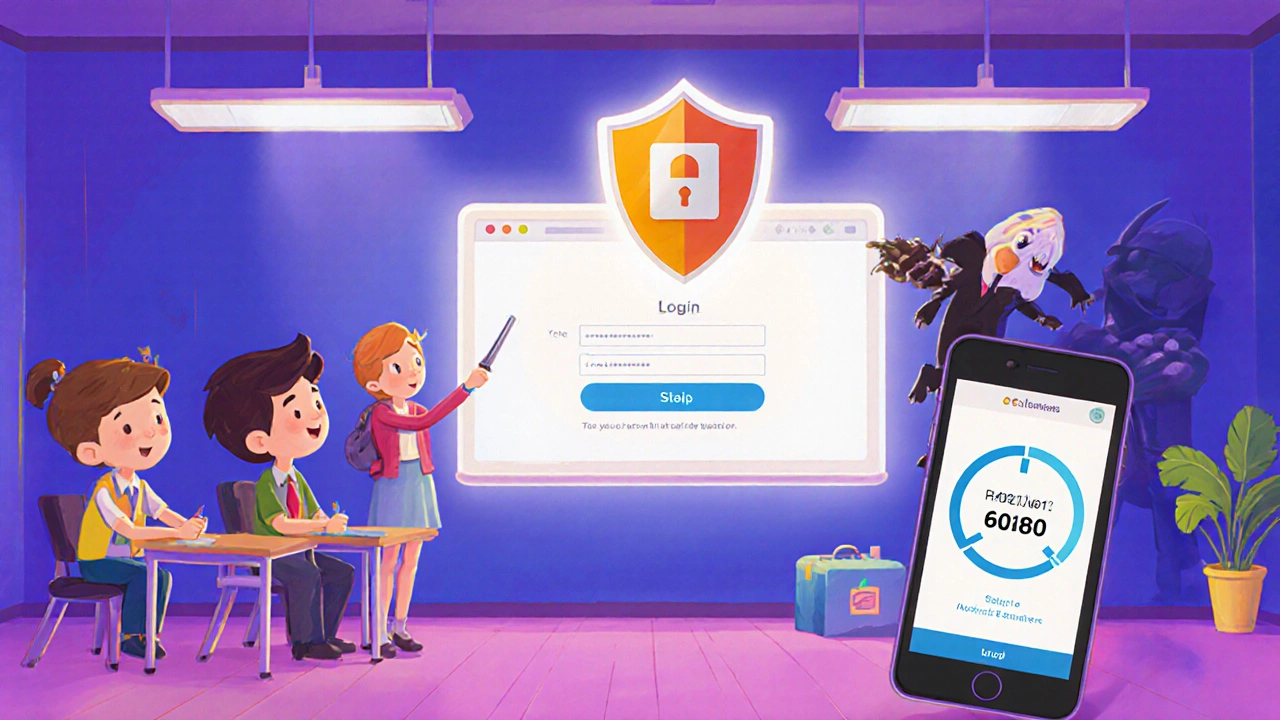
How to Implement Multi-Factor Authentication in an LMS for Better Security
Learn how to implement multi-factor authentication in your LMS to prevent breaches, meet compliance standards, and protect student data. Step-by-step guide for Canvas, Moodle, Blackboard, and more.
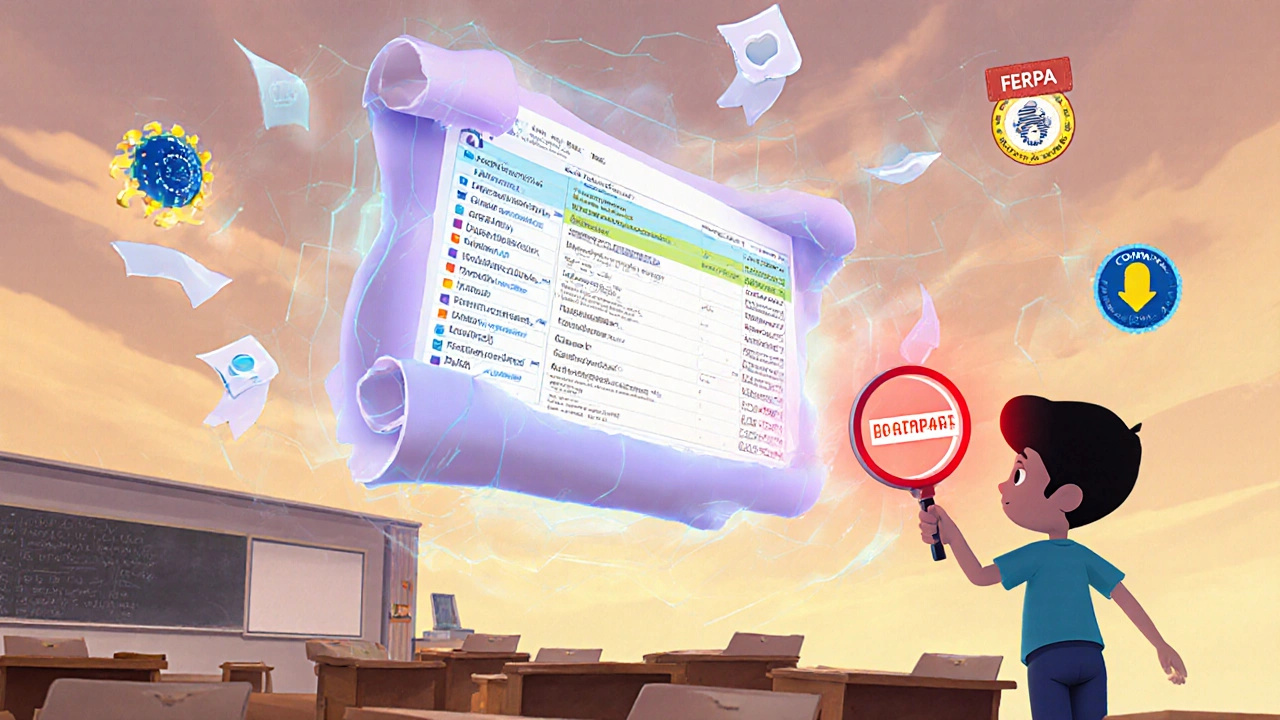
Security Logging and SIEM Integration for Learning Systems
Security logging and SIEM integration are essential for protecting student data in learning systems. Without them, breaches go unnoticed and compliance fails. Learn how to set up basic logging and alerts to prevent disasters.
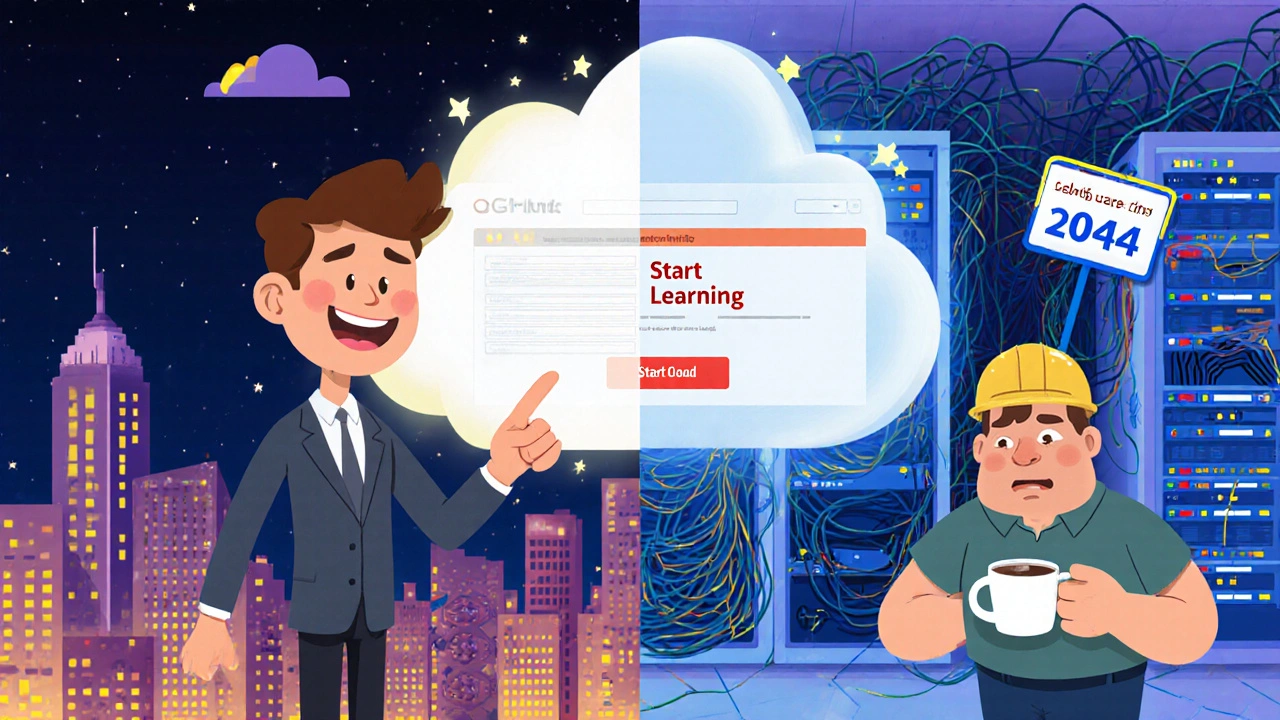
Cloud-Based vs Self-Hosted LMS: Which Is Right for Your Organization?
Cloud-based and self-hosted LMS options offer different trade-offs in cost, control, and security. Learn which one fits your organization's size, tech capacity, and compliance needs.