Personalized Education: Tailored Learning Paths That Actually Work
When you think about personalized education, a learning approach that adapts to your pace, style, and goals rather than forcing you into a one-size-fits-all mold. It's not about fancy software—it's about real people getting the right support at the right time. Think of it like a GPS for learning: instead of following the same route as everyone else, your path changes based on where you are, what you know, and what you need to do next.
adaptive learning, a system that uses data to adjust content, difficulty, and feedback in real time is one of the main tools behind this. It’s not magic—it’s simple math. If you keep missing questions on risk management, the system nudges you back to the basics. If you’re crushing it on crypto trading strategies, it skips ahead. This isn’t theory. In 2024, courses using adaptive learning saw up to 60% higher completion rates because students weren’t stuck or bored. And it works for everyone—from someone learning CPR for the first time to a developer building their portfolio.
But personalized education isn’t just about tech. It’s also about inclusive education, designing learning experiences that work for people with different abilities, backgrounds, and needs. That means accessible slides, clear instructions, flexible deadlines, and accommodations that don’t feel like exceptions—they feel like standard practice. ADA compliance isn’t a checkbox; it’s part of good design. Same goes for learning analytics, the data collected from how students interact with course material. It’s not about spying on learners—it’s about spotting who’s falling behind before they give up. A student who stops watching videos for three days? A gentle nudge. A study group that’s thriving? More of that.
What you’ll find below isn’t a list of vague ideas. These are real, tested methods used in actual courses—how to build a funnel with free content, how to set up MFA for student safety, how to design A/B tests that improve retention, how to make sure your course works for someone with a disability, or how to keep students engaged when they’re tempted to quit. There’s no fluff. No theory without proof. Just what works today in online learning, course design, and student support. Whether you’re building a course, teaching one, or just trying to learn better, these posts show you how personalized education turns frustration into progress.
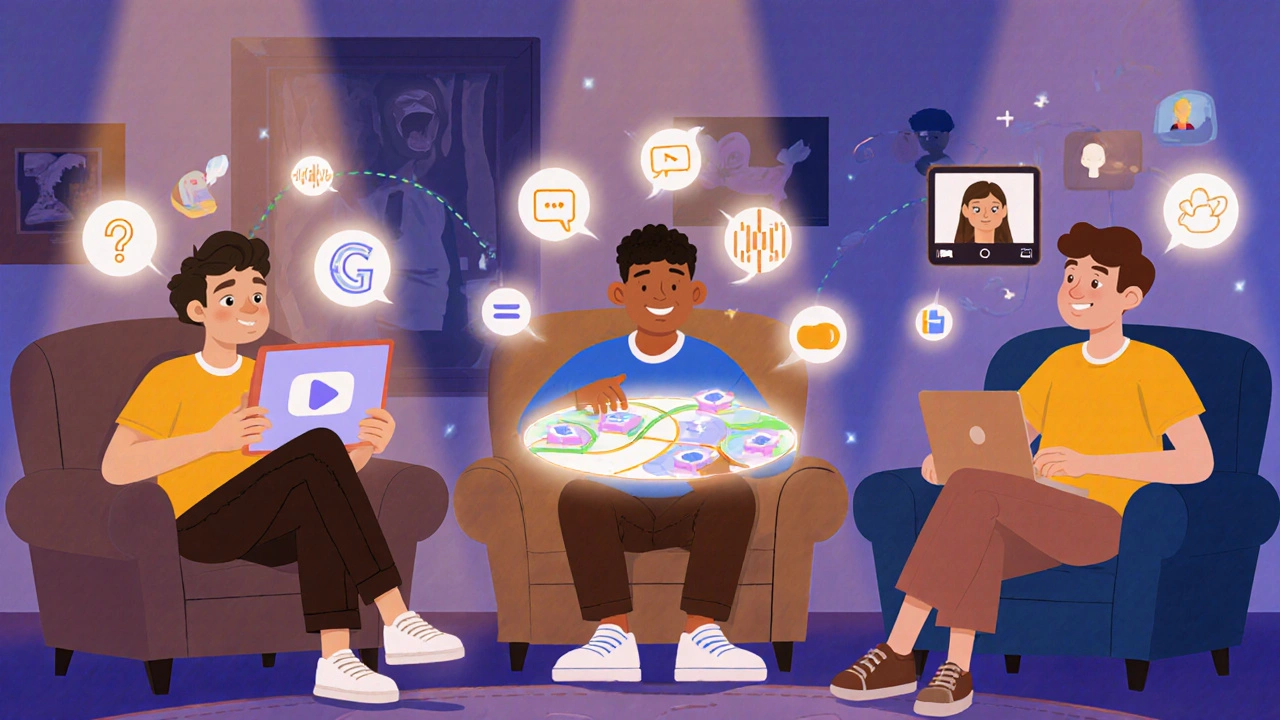
Differentiation Strategies in Online Learning Classrooms to Boost Engagement and Retention
Learn practical differentiation strategies for online classrooms that boost engagement and retention using adaptive learning techniques. Discover how to tailor content, feedback, and assessments to meet diverse student needs.
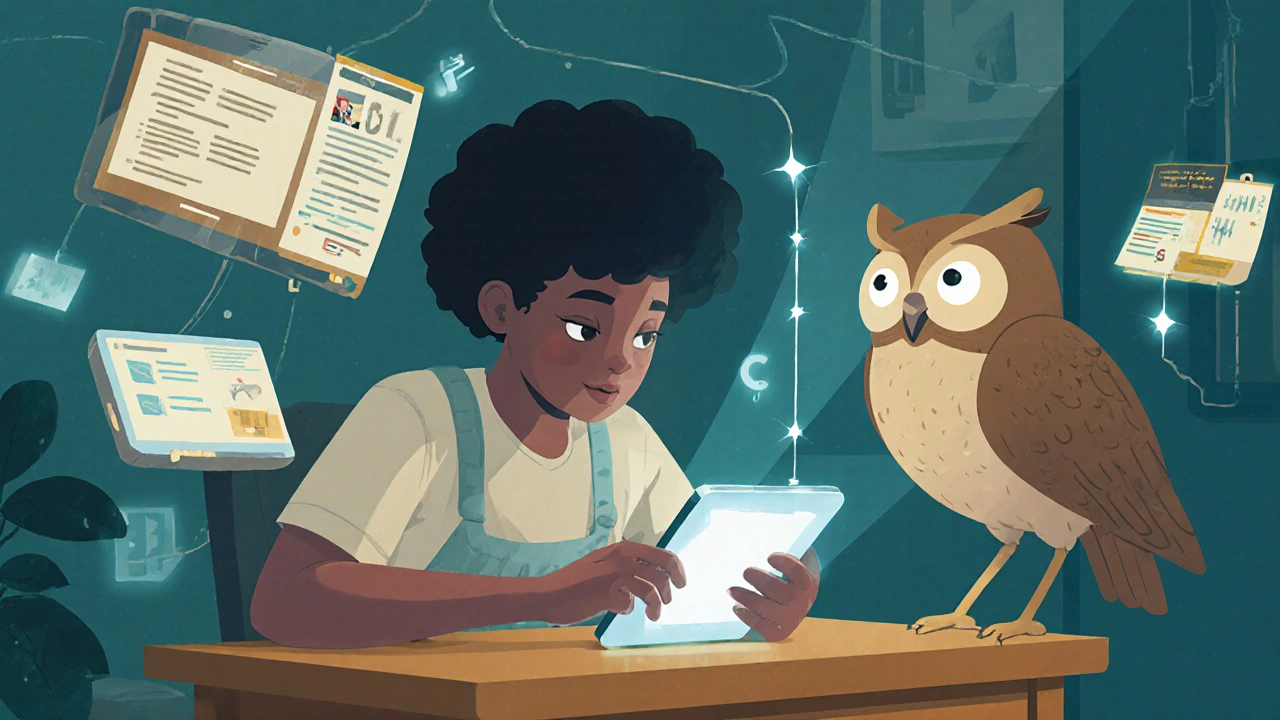
Personalization vs Customization in Online Learning: What Actually Works
Personalization and customization in online learning are often confused, but they work in completely different ways. Learn how adaptive systems learn from your behavior versus how manual settings affect your progress - and which one actually helps you learn better.