Plagiarism Detection: How to Protect Your Course Content from Theft
When you create a course, you’re not just sharing knowledge—you’re investing time, research, and effort into something unique. That’s why plagiarism detection, the process of identifying copied content in educational materials. Also known as content originality checking, it’s not optional—it’s essential for anyone selling online courses. If someone steals your videos, scripts, or quizzes and sells them as their own, you lose trust, revenue, and control over your brand. And it happens more than you think.
Plagiarism detection works hand-in-hand with DMCA takedown, a legal process to remove stolen content from websites and platforms. You don’t need a lawyer to use it. The copyright infringement, unauthorized use of someone else’s creative work of your course material—whether it’s a full module or just a few slides—is illegal. Platforms like YouTube, Udemy, and even WordPress sites will remove stolen content if you file a proper notice. Tools like Copyscape, Grammarly, and Turnitin help you scan the web for exact matches, but the real power comes from knowing how to act when you find it.
Many course creators wait until they lose thousands in sales before doing anything. But by then, the damage is done. The best time to act is when you first notice a suspicious page or video that looks too similar to yours. Set up automated alerts. Check your course titles and key phrases in Google every few weeks. Keep records of your original files with timestamps. If you’ve ever seen someone repackaging your lessons with a different logo and calling it their own, you know how frustrating that is. That’s where course content protection, the set of practices and legal tools used to safeguard digital educational materials becomes your daily routine, not a last resort.
And it’s not just about copying. Sometimes it’s rewording your entire script, changing the visuals, and claiming it as original. That’s still plagiarism. Plagiarism detection isn’t just about finding word-for-word matches—it’s about spotting patterns, structure, and unique teaching methods that only you developed. Your course’s flow, your examples, your exercises—they’re all part of your intellectual property. Protecting them means understanding how to use the tools, when to send a notice, and how to make sure your voice stays yours.
What you’ll find in the posts below are real, practical ways to handle this. From step-by-step DMCA templates that actually get results, to how to set up internal checks so you catch theft before it spreads. You’ll see how other course creators have recovered stolen content, what tools they used, and what mistakes to avoid. No theory. No fluff. Just what works when someone tries to take what you built.
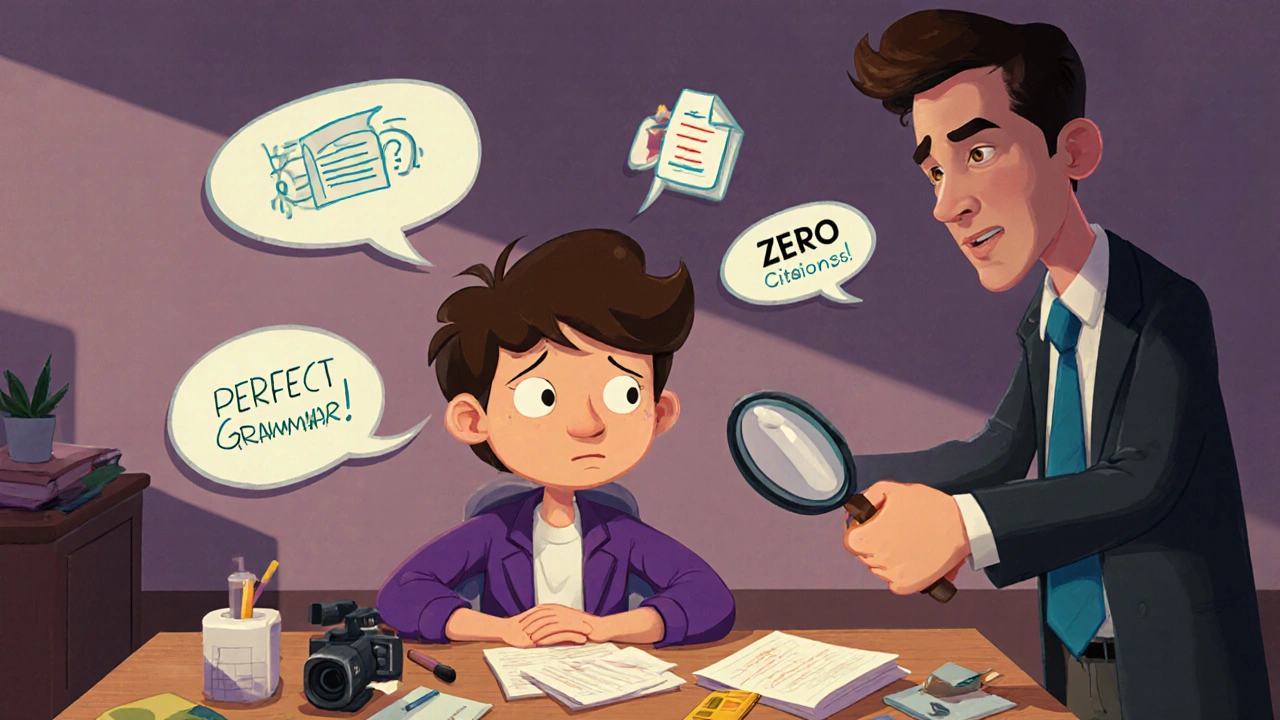
Guardrails for Plagiarism and AI-Assisted Cheating Prevention in Modern Classrooms
AI is changing how students complete assignments - and traditional plagiarism tools can't keep up. Learn practical, proven guardrails to prevent AI-assisted cheating while fostering genuine learning.