Remote Teaching: Tools, Tips, and Real Strategies for Online Instructors
When you're doing remote teaching, delivering instruction over digital platforms without physical presence in a classroom. Also known as online teaching, it requires more than just recording videos—it demands structure, human connection, and smart use of technology. Many assume it’s just about putting lectures on Zoom, but the best remote teachers know it’s about designing experiences that stick. You’re not replacing the classroom—you’re rebuilding it from the ground up, with new tools, new rhythms, and new ways to keep learners engaged.
Successful remote teaching, delivering instruction over digital platforms without physical presence in a classroom. Also known as online teaching, it requires more than just recording videos—it demands structure, human connection, and smart use of technology. isn’t about having the fanciest software. It’s about solving real problems: students tuning out, tech glitches mid-lesson, or feeling isolated. That’s why tools like LMS, learning management systems that host course content, track progress, and enable communication. Also known as learning platforms, they’re the backbone of most remote teaching setups. matter so much. Platforms like Canvas or Moodle aren’t just storage bins—they’re your classroom walls, your attendance tracker, and your feedback loop. And when students struggle, it’s often not because the material is hard—it’s because they don’t know how to navigate the system. Simple fixes, like embedding videos directly into the LMS or using clear assignment rubrics, cut confusion and boost completion.
Then there’s the human side. Remote teaching fails when it feels one-way. The most effective instructors use recognition systems—badges, points, levels—to make progress visible. They build microlearning chunks that fit into busy lives. They create peer support networks instead of relying on solo study. And they know when to troubleshoot tech issues fast, without waiting for IT. You don’t need to be a tech expert, but you do need to know how to fix a broken video link, mute background noise, or reset a student’s access. These aren’t nice-to-haves—they’re daily tasks that keep the learning alive.
What you’ll find below isn’t theory. It’s what real instructors are using right now to keep students showing up, staying focused, and actually learning. From setting up multi-factor authentication to protect student data, to designing nurture sequences that turn leads into enrolled learners, every post here solves a real problem. You’ll see how to use Canva for quick visuals, how to avoid AI cheating without sounding like a police officer, and how to make your course feel personal—even when you’re teaching 200 people across five time zones. This isn’t about being perfect. It’s about being practical.
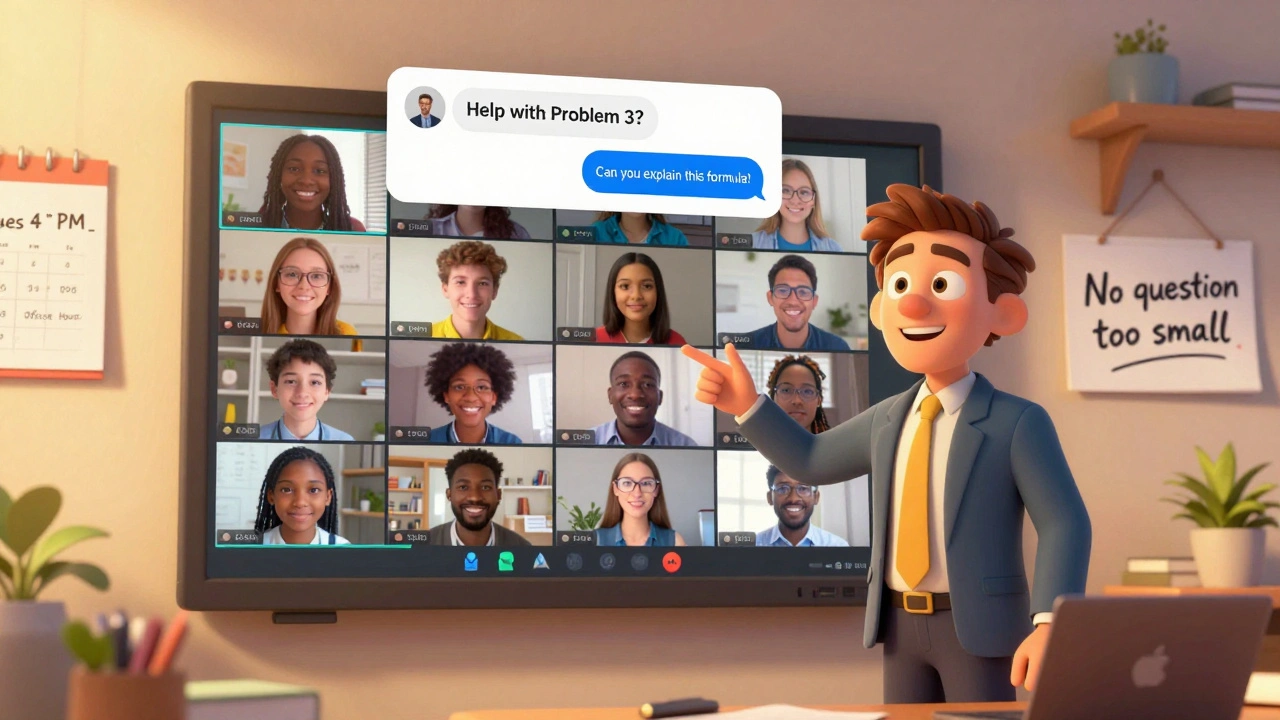
Virtual Office Hours: How to Set Up, Schedule, and Run Them Effectively
Virtual office hours are essential for student success in online courses. Learn how to set up, schedule, and run them effectively with proven strategies that boost engagement and retention.