Training Program: Build Skills That Stick and Drive Real Results
When you build a training program, a structured system designed to teach skills through guided practice, feedback, and repetition. Also known as learning pathway, it’s not just a collection of videos or PDFs—it’s the backbone of any skill-based career, from trading to tech to teaching. Most people think a training program is about what you teach. But the real difference comes down to how you structure it to make learning stick. Think about it: you can have the best trading strategy in the world, but if your students can’t apply it under pressure, it doesn’t matter. That’s why the best training programs focus on execution, not just information.
A strong training program requires more than content—it needs adaptive learning, a system that adjusts to how each learner responds, using data to personalize pace, feedback, and difficulty. It needs course design, the intentional planning of activities, assessments, and support structures to guide learners from confusion to mastery. And it needs student engagement, the consistent connection between learner and material that keeps them coming back, even when it gets hard. These aren’t nice-to-haves. They’re the core pillars. Without them, even the most well-researched material turns into digital clutter.
Look at the posts below. You’ll see real examples of what works: how to stop AI cheating before it starts, how to embed videos so they actually get watched, how to use learning analytics to fix drop-offs before they happen. You’ll find guides on making courses accessible, securing platforms with multi-factor authentication, and turning inactive students into active ones. These aren’t theory pieces—they’re fixes for problems real instructors face every day. Whether you’re running a trading course, a corporate training module, or a free lead magnet, the same rules apply: make it personal, make it measurable, make it hard to quit.
This collection isn’t about fancy tools or buzzwords. It’s about the quiet, consistent work that turns a training program from something people sign up for into something they rely on. You’ll find practical steps—not opinions—on how to structure feedback, design assessments that actually test skill, and build systems that scale without burning you out. If you’re serious about teaching something that lasts, this is where you start.
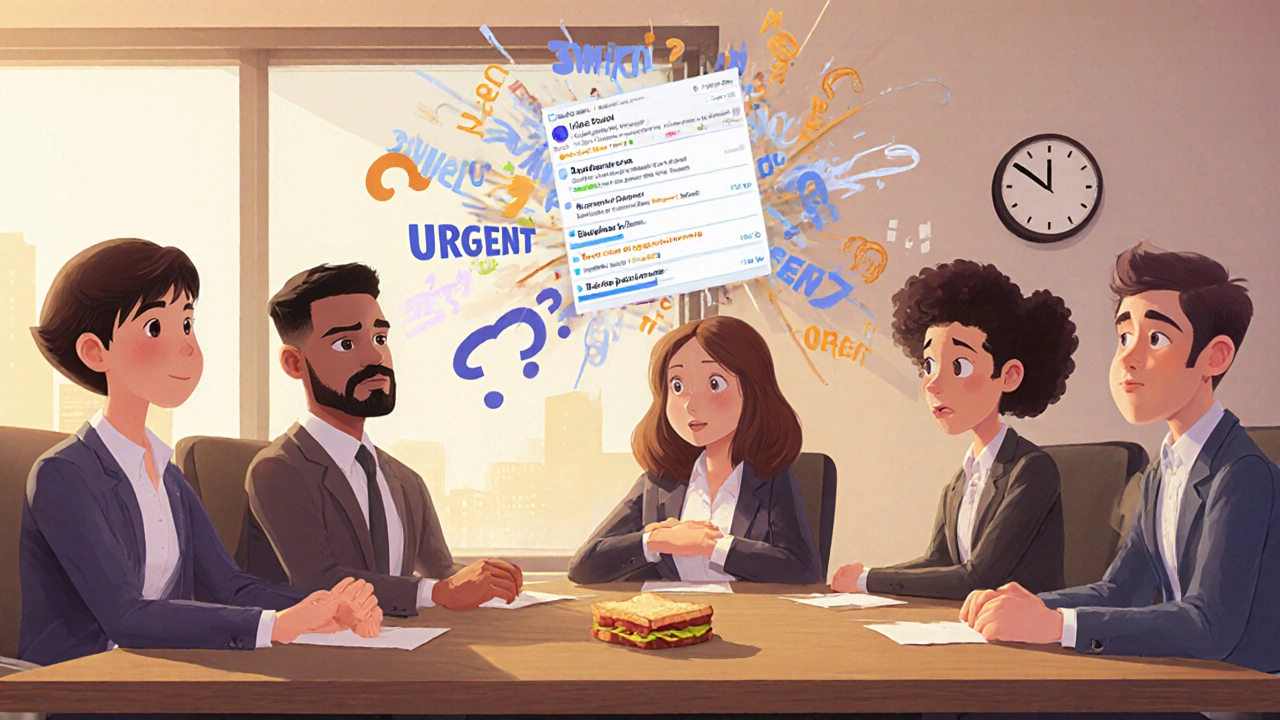
How to Design a Communication Skills Course for Professionals
Design a communication skills course that actually changes how professionals talk, write, and listen at work. Focus on real scenarios, exact scripts, and measurable behavior change-not theory.