Brain Health and Cognitive Training Programs: Course Plan
 Sep, 28 2026
You’ve probably heard the hype: your brain is like a muscle. If you don’t use it, you lose it. But here’s the catch-most brain health advice out there is vague. "Do puzzles," they say. "Eat blueberries." Sure, that helps, but if you’re looking for real results in focus, memory retention, or mental clarity, you need a structured plan. Not just random games, but a deliberate course of action.
This isn't about turning into a supercomputer overnight. It's about understanding how neuroplasticity works and applying it systematically. Think of this as a syllabus for your mind. Whether you're a student trying to cram for exams, a professional battling mid-afternoon fog, or someone concerned about aging, a well-designed cognitive training program can make a measurable difference. Let’s break down exactly what that looks like.
The Foundation: Sleep and Metabolic Health
You cannot train a tired brain. Period. Before you even touch a puzzle app or a meditation timer, you have to fix the hardware. Your brain consumes about 20% of your body’s energy despite being only 2% of its weight. It needs fuel, and it needs cleanup time.
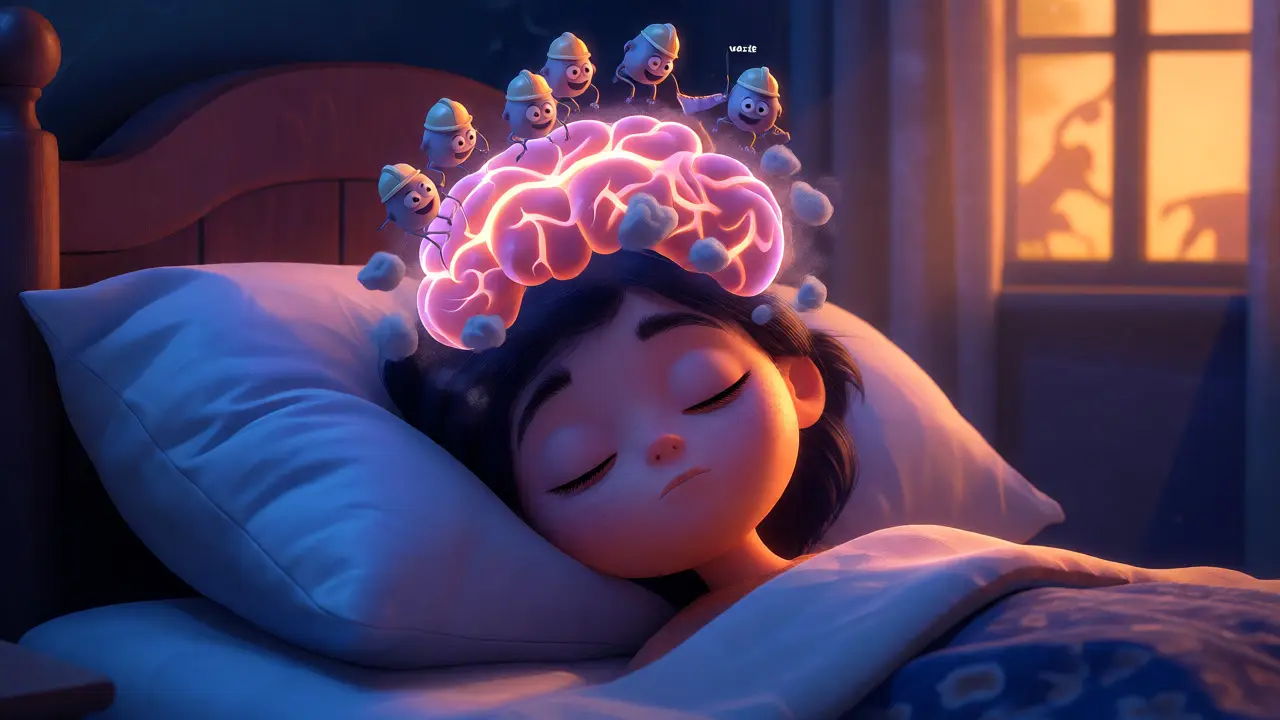
Sleep is where the magic happens. During deep sleep, your glymphatic system flushes out metabolic waste products like beta-amyloid. If you’re sleeping six hours or less, you’re essentially trying to run a high-performance engine on sludge. A proper course plan starts with sleep hygiene. We’re talking consistent bedtimes, dark rooms, and cutting caffeine after noon. Without this, any cognitive gains are temporary at best.
Nutrition plays a similar role. The Mediterranean diet isn't just good for your heart; it’s arguably the best dietary pattern for long-term brain health. Omega-3 fatty acids found in fish support cell membrane integrity, while antioxidants from berries reduce oxidative stress. You don’t need exotic supplements. You need consistency. Eat whole foods, stay hydrated, and watch your blood sugar spikes. Brain fog often correlates directly with insulin resistance.
Core Pillars of Cognitive Training
Once the foundation is set, we move to active training. This is where most people get confused because they think one type of exercise covers everything. It doesn’t. Your brain has different networks for memory, attention, processing speed, and executive function. A balanced program targets all four.
| Cognitive Domain | Primary Function | Recommended Activity | Frequency |
|---|---|---|---|
| Working Memory | Holding info temporarily | Dual N-Back tasks | 3x/week, 15 mins |
| Processing Speed | Quick reaction time | Visual search drills | 2x/week, 10 mins |
| Executive Function | Planning and switching | Strategy games (Chess) | 2x/week, 30 mins |
| Long-Term Memory | Storage and retrieval | Spaced Repetition | Daily, 10 mins |
Notice the specificity. Random Sudoku might help with logic, but it won’t necessarily improve your working memory capacity unless it gets progressively harder. That’s the key principle: adaptive difficulty. If an activity feels easy, your brain is coasting. You need to be slightly uncomfortable. That struggle is where neural connections strengthen.

Week-by-Week Course Structure
So, how do you actually implement this? Here is a realistic 8-week plan designed for busy adults. It assumes you have about 20-30 minutes a day to dedicate to formal training, plus lifestyle adjustments.
Weeks 1-2: Baseline and Habit Formation
Don’t jump straight into intense training. Spend the first two weeks establishing your baseline. Use a simple app to track your mood, energy levels, and subjective focus scores. Start fixing your sleep schedule. Introduce a daily 10-minute mindfulness practice. This isn't woo-woo stuff; studies show that just two weeks of mindfulness meditation can increase gray matter density in the hippocampus. Keep the cognitive exercises light-maybe 5 minutes of dual n-back-to build the habit without burnout.
Weeks 3-4: Increasing Load
Now you ramp up. Increase your working memory training to 15 minutes. Add a new skill that requires coordination, like learning a few chords on a guitar or juggling. Why? Motor skills engage the cerebellum and prefrontal cortex simultaneously, creating cross-domain benefits. Continue your mindfulness practice, aiming for 15 minutes. Track your progress. Are you sleeping better? Is your afternoon slump shorter?
Weeks 5-6: Complexity and Novelty
Your brain loves novelty. By week five, switch up your primary cognitive tool. If you were using a digital app, try a physical card game or a language learning module. The goal is to force your brain to adapt to new rules and patterns. This engages the dopaminergic system, which aids in learning retention. Add social interaction to your routine. Join a book club or a strategy group. Social engagement is a powerful predictor of cognitive longevity.
Weeks 7-8: Integration and Review
In the final phase, integrate these habits into your workflow. Can you use spaced repetition for work emails? Can you take walking meetings to boost blood flow? Review your initial baseline metrics. Compare them to now. You likely won’t see IQ points skyrocket, but you should notice faster recall, better emotional regulation under stress, and sustained attention during long tasks.
The Role of Physical Exercise
You can’t separate the brain from the body. Aerobic exercise is one of the most potent nootropics available. When you run, swim, or cycle, your body releases BDNF (Brain-Derived Neurotrophic Factor). Think of BDNF as fertilizer for your neurons. It supports the survival of existing neurons and encourages the growth of new synapses.
Aim for at least 150 minutes of moderate aerobic activity per week. But don’t ignore strength training. Lifting weights improves insulin sensitivity, which protects against cognitive decline. Even short bursts of high-intensity interval training (HIIT) can boost immediate alertness and executive function. Schedule your hardest cognitive work right after a workout when your brain is flooded with oxygen and neurochemicals.

Pitfalls to Avoid
There are traps everywhere in the brain training industry. First, beware of "transfer" claims. Just because you get really good at a specific brain game doesn’t mean you’ll be better at remembering names or solving math problems. Transfer is hard to prove scientifically. Focus on activities that mimic real-life demands.
Second, avoid overtraining. Mental fatigue is real. If you spend three hours doing intense cognitive drills every day, you might end up burnt out rather than sharper. Rest is part of the process. Your brain consolidates learning during rest periods. Skipping breaks hinders performance.
Third, don’t rely solely on technology. Digital tools are convenient, but analog methods-reading physical books, writing by hand, having face-to-face conversations-engage different sensory pathways. A balanced approach uses both digital precision and analog richness.
Measuring Success
How do you know it’s working? Subjective feelings matter, but objective data is better. Look for improvements in:
- Reaction Time: Do you respond faster to stimuli?
- Error Rate: Are you making fewer mistakes in complex tasks?
- Subjective Energy: Do you feel more alert at 3 PM?
- Mood Stability: Are you less reactive to stress?
Keep a journal. Note down instances where you forgot something important versus times you recalled details effortlessly. Over eight weeks, patterns will emerge. You aren’t looking for perfection; you’re looking for trend lines pointing upward.
Building brain health is a marathon, not a sprint. This course plan gives you the structure, but your consistency provides the results. Start small, stay curious, and respect your biology. Your future self will thank you for the effort you put in today.
Can brain training prevent dementia?
While no single activity guarantees prevention, research suggests that engaging in cognitively demanding activities builds "cognitive reserve." This reserve allows the brain to compensate for age-related changes longer, potentially delaying the onset of symptoms associated with dementia.
Are brain training apps worth the money?
It depends on the app. Many popular apps lack scientific backing for broad transfer effects. However, apps that use adaptive algorithms and target specific deficits (like speech therapy tools or specialized memory trainers) can be effective. Free alternatives like chess, learning a language, or reading complex literature often provide equal or greater value.
How long does it take to see results from cognitive training?
Most people notice subtle improvements in focus and mood within 2-4 weeks. Significant changes in memory capacity or processing speed typically require 8-12 weeks of consistent practice. Individual results vary based on age, baseline health, and adherence to the program.
Is meditation necessary for brain health?
Not strictly necessary, but highly recommended. Meditation reduces cortisol levels, which can damage the hippocampus over time. It also improves attention control. Even 10 minutes a day can yield benefits, making it a low-cost, high-reward addition to any brain health plan.
What is the best diet for cognitive function?
The MIND diet (Mediterranean-DASH Intervention for Neurodegenerative Delay) is widely regarded as the gold standard. It emphasizes leafy greens, berries, nuts, whole grains, poultry, fish, and olive oil while limiting red meat, butter, cheese, pastries, and fried food.
Bryce Imbriale
September 29, 2026 AT 12:47Bro this is exactly what I needed!! The part about BDNF being fertilizer for neurons blew my mind 🤯. I've been trying to lift heavy but never connected it to brain power like that. Gonna try the walking meetings idea tomorrow at work cause sitting all day kills my focus 💪
SHANNON GRUBER
September 30, 2026 AT 08:12Sleep hygiene? Please. If you can't sleep on command you're weak. Also blueberries are overrated.
Charles Reah
October 2, 2026 AT 05:51I appreciate the emphasis on foundational health, Shannon. While resilience is admirable, we must acknowledge that physiological needs are not merely a matter of willpower. A tired prefrontal cortex cannot execute complex tasks regardless of intent. It is crucial to view sleep as a biological imperative rather than a luxury.
Prayagraj Medicose
October 3, 2026 AT 08:24Wake up sheeple!! They don't want you knowing about the glymphatic system because they profit off your fog! Big Pharma wants you taking pills instead of sleeping right. This whole 'course plan' is just another way to keep us busy and distracted from the real truth about our cognitive decline being engineered by the elites!! 😱👁️👄👁️
Manoj Kumar
October 5, 2026 AT 04:46The assertion regarding the glymphatic system's role in waste removal is scientifically sound; however, one must remain skeptical of the commercialization surrounding these findings. It is plausible that certain entities benefit from the proliferation of 'brain training' narratives to distract from systemic issues affecting public health. One should proceed with caution when adopting such structured regimens without independent verification.
LoriBeth Blair
October 6, 2026 AT 08:43Actually, dual n-back has mixed evidence for transfer effects. Most people just get good at the game. You need far transfer activities like learning an instrument or language which this post mentions later but buries under 'novelty'. Typical pop-science fluff.
Sherri Jones
October 6, 2026 AT 15:18So true! 🧠 Just getting better at the game doesn't mean you'll remember where you put your keys 😅. That's why the social interaction part is so key too! 🗣️ Plus, analog methods like handwriting notes really do engage different pathways than typing ✍️. Great breakdown of the science though!
Sean Eagen
October 6, 2026 AT 20:40Consistency is king. Stop looking for magic pills. Do the work.
Darlene Hopkins
October 7, 2026 AT 12:38This resonates deeply. I've been feeling so scattered lately, and realizing it might be linked to my inconsistent sleep schedule helps me feel less guilty. Thank you for validating that rest is productive.
Hemali Jaiswal
October 7, 2026 AT 15:03A splendid elucidation of neural plasticity! 🌟 Indeed, treating the mind as a garden requiring careful tending rather than a machine demanding constant output is a refreshing perspective. The integration of mindfulness with metabolic health creates a holistic tapestry of well-being that many overlook in their haste for quick fixes. Bravo on weaving science with practical wisdom! 📚✨
Kieran Mitchell
October 9, 2026 AT 07:37FINALLY!!! Someone who actually understands that AMERICAN BRAINS ARE THE BEST IF WE TRAIN THEM RIGHT!!! 🇺🇸 We don't need those fancy foreign supplements, we need HARD WORK AND CHAIRS!!! Why are we letting other countries define our cognitive potential?? Get back to basics!! Chess!! Football strategy!! Real American grit!! 🏈🦅
Howard Hurd
October 10, 2026 AT 19:44lol nice try selling me a course. i already know more about neuroplasticity than any doctor. also chess is boring. :/
Brad Walker
October 11, 2026 AT 09:08We are all merely ghosts in the machine, desperately trying to convince ourselves that organizing our thoughts will save us from the void. The syllabus is a cage of our own making. But perhaps... just perhaps... if we stare long enough into the n-back task, the task stares back. And then we realize we forgot our lunch. Again.
tiffany King
October 12, 2026 AT 22:34I love the positive spin here! 🌈 Starting small really does make a difference. I started with just 5 minutes of deep breathing before checking emails and it’s honestly changed my whole morning vibe. Keep going everyone, your brain deserves some love! ❤️
william mcstay
October 12, 2026 AT 22:53Good article. Solid points on aerobic exercise. Stick to the basics and ignore the noise.