Business Ethics and Corporate Governance: Essential Course Topics and Real-World Cases
 May, 15 2026
When you walk into a boardroom or sit in a university lecture hall, the conversation often starts with profits. But the real story-the one that determines whether a company survives a scandal or thrives for decades-starts with Business Ethics. It is the framework of moral principles that guide decision-making within an organization. Without it, even the most innovative strategies can collapse under the weight of public distrust.
Corporate leaders, HR directors, and students alike are asking the same question: What exactly should be taught to build this foundation? The answer isn't just about memorizing rules. It’s about understanding the messy, gray-area scenarios where those rules get tested. This guide breaks down the essential topics and real-world case studies that define modern ethical business education.
The Core Pillars of Business Ethics Curriculum
A robust course doesn’t start with abstract philosophy. It starts with the daily choices employees make. The first pillar usually covers Personal Integrity vs. Organizational Pressure. You teach participants how to recognize when their personal values clash with company directives. This isn't theoretical; it happens when a salesperson is pressured to hide product defects to meet quarterly targets.
The second pillar focuses on Stakeholder Theory. Traditional teaching emphasized shareholders above all else. Modern curricula have shifted. Now, you must address customers, employees, suppliers, communities, and the environment. A key lesson here is mapping who gets hurt by a decision before you make it. For example, cutting costs by moving manufacturing to a region with lax labor laws might boost short-term margins but devastates long-term brand reputation.
Third, there is Compliance and Legal Frameworks. While ethics goes beyond the law, the law sets the floor. Courses must cover major regulations like the Sarbanes-Oxley Act (SOX) for financial transparency and the General Data Protection Regulation (GDPR) for privacy. Understanding these isn't just about avoiding fines; it's about building a culture where following the rules is seen as a baseline expectation, not a burden.
Corporate Governance: The Structural Backbone
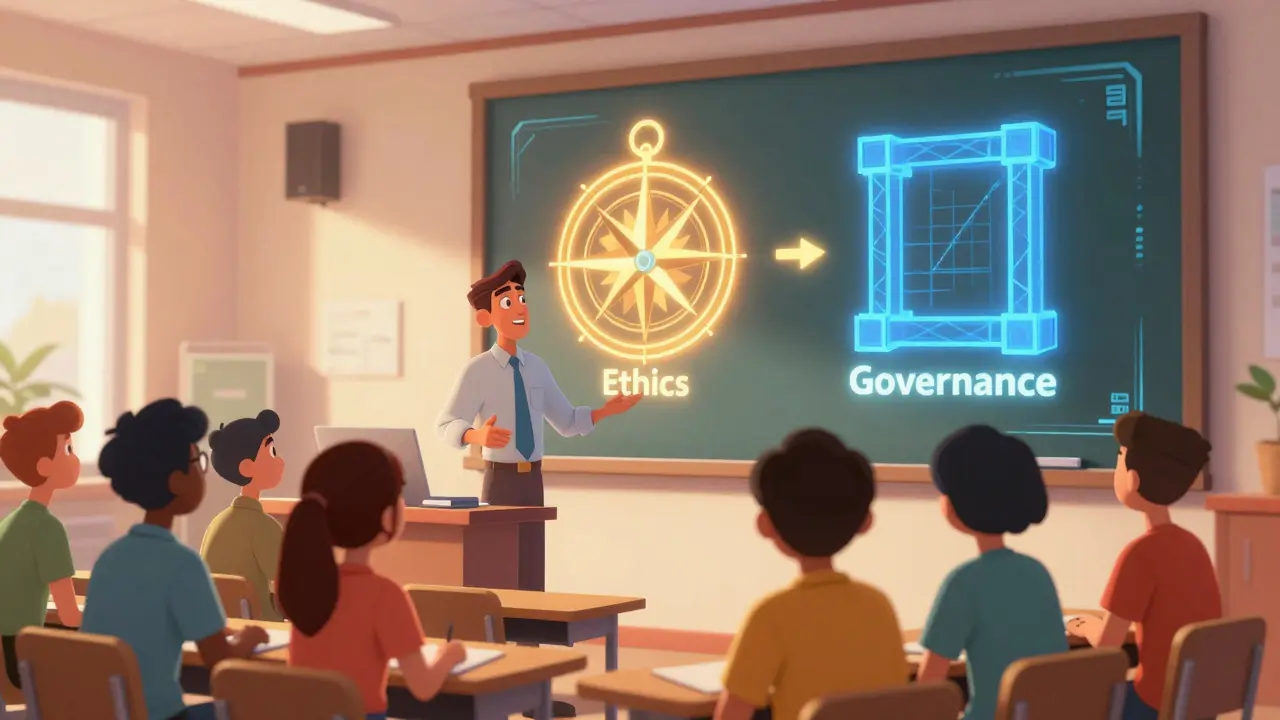
If ethics is the soul of a company, Corporate Governance is its skeleton. It defines the system of rules, practices, and processes by which a firm is directed and controlled. A strong governance course teaches how to balance power between different groups.
- The Board of Directors: Students learn that the board isn't just a figurehead. They are responsible for hiring and firing CEOs, setting strategic direction, and ensuring accountability. A critical topic is board independence. When too many directors have close ties to management, oversight fails.
- Executive Compensation: How you pay your leaders dictates what they value. If bonuses are tied solely to stock price spikes, executives may take reckless risks. Courses analyze how to structure pay packages that reward long-term sustainable growth rather than short-term manipulation.
- Transparency and Reporting: Accurate financial reporting is non-negotiable. Governance modules drill into the importance of internal controls and audit committees. These mechanisms prevent fraud and ensure that investors are getting the truth, not a polished fiction.
The relationship between governance and ethics is symbiotic. Good governance structures create the environment where ethical behavior can flourish. Without clear lines of authority and accountability, ethical guidelines are just suggestions on a wall poster.
Real-World Case Studies That Define the Industry
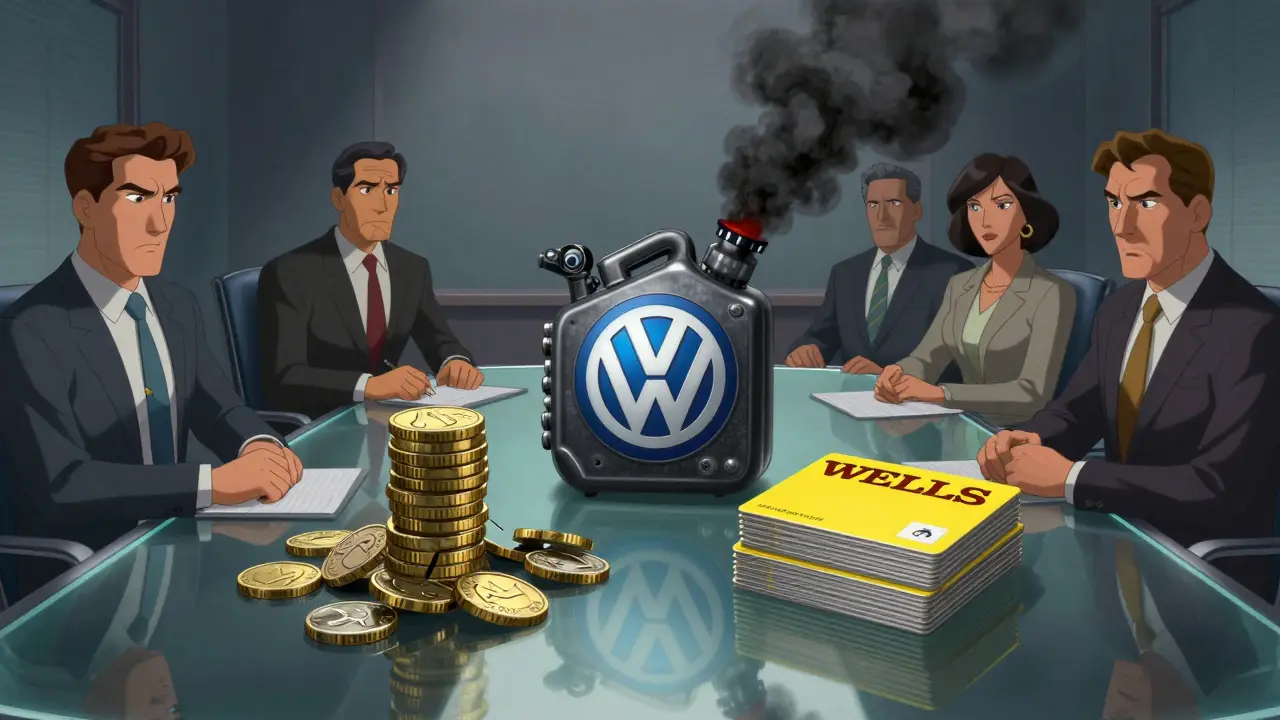
Theory sticks when you attach it to consequences. Here are three pivotal cases that every serious course should dissect.
1. Enron and the Collapse of Trust
You cannot discuss corporate governance without mentioning Enron. In the early 2000s, this energy giant was hailed as a revolutionary trading powerhouse. Behind the scenes, however, executives used complex off-balance-sheet entities to hide massive debts. The result? Bankruptcy, the dissolution of Arthur Andersen (one of the Big Five accounting firms), and billions lost by employees and investors.
The lesson here is stark: Culture eats strategy for breakfast. Enron had codes of conduct, but the culture rewarded ruthless ambition. The case teaches students to look beyond the numbers and ask, "Does this transaction make sense, or does it just make the books look better?"
2. Volkswagen’s Dieselgate
In 2015, Volkswagen admitted to installing software in diesel vehicles that detected when emissions tests were being conducted. During testing, the cars ran clean. On the road, they emitted pollutants up to 40 times the legal limit. This wasn't a mistake; it was a deliberate deception engineered by thousands of employees over years.
This case highlights the danger of groupthink and siloed pressure. Engineers knew it was wrong, but they felt powerless to stop it. The course takeaway focuses on whistleblower protections and the need for psychological safety. Employees must feel safe speaking up without fear of retaliation.
3. Wells Fargo Fake Accounts Scandal
In 2016, it emerged that Wells Fargo employees had opened millions of unauthorized checking and savings accounts to meet aggressive sales quotas. Customers were charged fees for accounts they never wanted. The scandal led to billions in fines and a permanent cap on the bank’s asset size.
This illustrates the flaw in misaligned incentive structures. When goals are impossible to achieve through legitimate means, unethical behavior becomes the path of least resistance. Governance lessons here focus on realistic goal-setting and monitoring customer complaints as early warning signs.
| Company | Primary Failure | Governance Gap | Key Lesson |
|---|---|---|---|
| Enron | Financial Fraud | Lack of Board Oversight | Independence matters |
| Volkswagen | Environmental Deception | Suppressed Whistleblowers | Psiological safety is vital |
| Wells Fargo | Sales Misconduct | Toxic Incentive Structure | Align goals with reality |
The Rise of ESG in Modern Education
In 2026, you can't talk about ethics without talking about ESG (Environmental, Social, and Governance). What was once considered "nice-to-have" charity work is now central to investment decisions. Investors use ESG scores to gauge risk. A company with poor labor practices or high carbon emissions is seen as a risky bet.
Modern courses integrate ESG into the core curriculum. Students learn how to measure social impact, not just profit. They study supply chain ethics-ensuring that raw materials aren't sourced from conflict zones or child labor facilities. They explore environmental stewardship, learning how climate change poses a direct threat to business continuity. This shift reflects a broader societal demand for companies to contribute positively to the world, not just extract value from it.

Tech Ethics: The New Frontier
Technology has outpaced regulation, creating new ethical minefields. A contemporary business ethics course must dedicate significant time to Data Privacy and AI Bias.
Companies collect vast amounts of user data. Where is the line between personalized service and invasive surveillance? Furthermore, as artificial intelligence makes more decisions-from hiring candidates to approving loans-bias embedded in algorithms can perpetuate discrimination at scale.
Case studies here might include facial recognition errors disproportionately affecting minority groups or algorithmic trading causing market flash crashes. The goal is to teach "ethics by design." Engineers and business leaders must collaborate to bake fairness and transparency into technology from day one, rather than trying to fix problems after they go viral.
How to Apply These Lessons in Your Organization
Reading about scandals is one thing; preventing them is another. If you are designing a training program or leading a team, focus on these actionable steps:
- Lead by Example: Ethics trickles down. If leaders cut corners, everyone else will too. Demonstrate integrity in small, visible ways.
- Create Anonymous Reporting Channels: Make it easy and safe for employees to report misconduct. Use third-party hotlines to reduce fear of retaliation.
- Regularly Audit Incentives: Review your bonus structures annually. Do they encourage risky behavior? Adjust them to reward ethical conduct.
- Conduct Scenario-Based Training: Don't just read policies. Run workshops where teams debate hypothetical dilemmas. This builds muscle memory for ethical decision-making.
Building an ethical culture is not a one-time seminar. It’s a continuous process of reinforcement, reflection, and adjustment. By grounding your approach in solid governance structures and real-world lessons, you protect your company’s future and its people.
What is the difference between business ethics and corporate governance?
Business ethics refers to the moral principles and values that guide behavior and decision-making within a company. Corporate governance is the formal system of rules, practices, and processes by which a company is directed and controlled. Think of ethics as the internal compass and governance as the external steering wheel and brakes.
Why are case studies important in ethics courses?
Ethics rarely involves clear-cut right-or-wrong scenarios. Case studies expose learners to complex, ambiguous situations where multiple stakeholders have conflicting interests. Analyzing real-world failures helps participants recognize warning signs and understand the human factors behind ethical breaches.
How does ESG affect business strategy today?
ESG (Environmental, Social, and Governance) criteria are now critical for risk assessment and investment decisions. Companies with strong ESG performance often attract lower cost of capital, retain top talent, and face fewer regulatory hurdles. Ignoring ESG can lead to reputational damage and financial losses.
What role does the Board of Directors play in ethics?
The Board sets the "tone at the top." They are responsible for establishing the company’s code of conduct, overseeing compliance programs, and ensuring that executive compensation aligns with long-term ethical goals. An independent, diverse board is better equipped to provide objective oversight.
Can a company be profitable and ethical simultaneously?
Yes, absolutely. In fact, unethical behavior often leads to hidden costs like lawsuits, fines, and loss of customer trust. Ethical companies tend to build stronger brand loyalty, attract better employees, and enjoy more stable long-term growth. Profitability and integrity are not mutually exclusive; they are complementary.